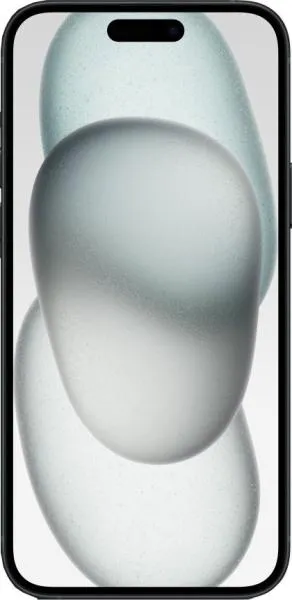
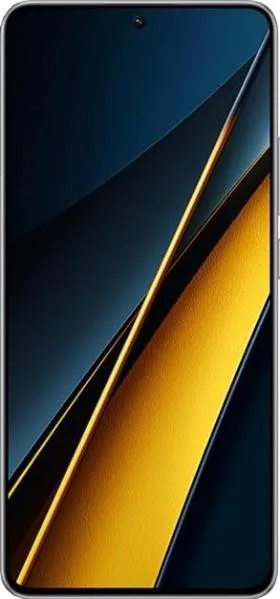
1. Specifications Comparison
| Feature | Apple iPhone 15 Plus | Xiaomi Poco X6 Pro | Practical Impact |
|---|---|---|---|
| Design | |||
| Dimensions | 160.9 x 77.8 x 7.8 mm | 160.5 x 74.3 x 8.3 mm | Poco X6 Pro is slightly narrower and thicker. Negligible difference in hand feel for most users. |
| Weight | 201g | 186g | iPhone 15 Plus is noticeably heavier. |
| Build | Not specified | Not specified | Build materials impact durability and premium feel. Information is needed for accurate comparison. |
| Display | |||
| Size | 6.7" | 6.67" | Virtually identical screen sizes. |
| Type | Super Retina XDR OLED | AMOLED | Both offer excellent color accuracy and deep blacks. |
| Resolution | 1290 x 2796 | 1220 x 2712 | iPhone has a slightly sharper display due to higher pixel density (460 vs 446 ppi), but the difference is minimal in real-world usage. |
| Refresh Rate | Not specified | 120Hz | 120Hz on the Poco X6 Pro provides smoother scrolling and animations compared to the iPhone's unspecified refresh rate (likely 60Hz). |
| Peak Brightness | 2000 nits | 1800 nits | iPhone 15 Plus can get brighter, improving outdoor visibility. |
| Performance | |||
| Chipset | Apple A16 Bionic (4 nm) | Mediatek Dimensity 8300 Ultra (4 nm) | Both are powerful chips, but direct performance comparison requires benchmark data. Apple's A16 generally excels in single-core performance, impacting responsiveness. |
| CPU | Hexa-core | Octa-core | Core count alone doesn't determine performance; architecture and clock speeds also matter. |
| GPU | Apple GPU (5-core) | Mali G615-MC6 | Apple GPUs typically offer superior graphics performance, benefiting gaming and demanding visual tasks. |
| RAM | 6GB | 12GB | Poco X6 Pro has significantly more RAM, enabling better multitasking and app retention. |
| Battery | |||
| Capacity | 4383 mAh | 5000 mAh | Poco X6 Pro has a larger battery, potentially leading to longer battery life. Real-world usage varies. |
| Software | |||
| OS | iOS 17 | Android 14 | Different operating systems cater to different preferences regarding UI, customization, and app ecosystems. |
| Other | |||
| Storage | 256/512GB | 256/512GB | Comparable storage options. |
| Price Range | Medium | Medium | Requires specific pricing for a detailed comparison. |
2. Key Differences Analysis
iPhone 15 Plus Advantages:
- Likely smoother performance: A16 Bionic usually outperforms the Dimensity 8300 Ultra in benchmarks.
- Brighter Display: Better outdoor visibility.
- Potentially better GPU performance: Advantageous for gaming and graphic-intensive tasks.
- iOS Ecosystem: Benefits from tight hardware-software integration and a curated app store.
Poco X6 Pro Advantages:
- Higher Refresh Rate: Smoother user interface and animations.
- Larger Battery: Potentially longer battery life.
- More RAM: Better multitasking and app retention.
- Typically more affordable: While both are mid-range, Xiaomi devices often offer competitive pricing.
3. User Profiles & Recommendations
iPhone 15 Plus: Users prioritizing a smooth, refined experience with a focus on performance, premium feel, and the Apple ecosystem. Ideal for those who value ease of use, consistent software updates, and a strong emphasis on privacy.
Poco X6 Pro: Users seeking a feature-rich phone with a high refresh rate display, large battery, and ample RAM for multitasking. Suitable for power users, gamers on a budget, and those who prefer the flexibility and customization of Android.
4. Decision Framework
Key Questions for Buyers:
- Operating System Preference: iOS or Android?
- Performance vs. Features: Prioritize raw performance and a polished experience or a higher refresh rate display and larger battery?
- Budget: Specific pricing will significantly influence the value proposition of each device.
My Choice: Xiaomi Poco X6 Pro
While the iPhone 15 Plus likely offers superior processing power, the Poco X6 Pro's combination of 120Hz refresh rate, larger battery (5000mAh), and double the RAM (12GB) significantly enhances the daily user experience for me. I prioritize smooth scrolling, long battery life, and the ability to seamlessly switch between apps. The potential cost savings further solidify the Poco X6 Pro as the more compelling option for my needs. I am also comfortable with the Android operating system. While benchmarks might favor the iPhone's A16 chip, the Dimensity 8300 Ultra should still provide ample power for my typical usage.
