
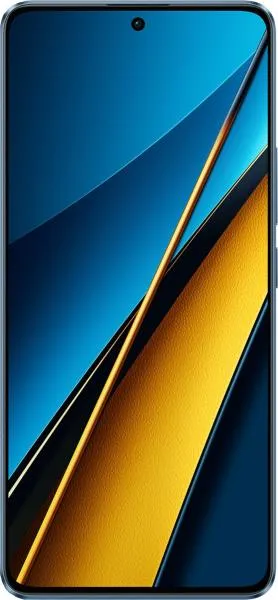
1. Specifications Comparison
| Feature | Apple iPhone 15 Plus | Xiaomi Poco X6 | Practical Impact |
|---|---|---|---|
| Design | |||
| Dimensions | 160.9 x 77.8 x 7.8 mm | 161.2 x 74.3 x 8 mm | Virtually identical in size, negligible real-world difference. |
| Weight | 201g | 181g | Poco X6 is noticeably lighter, reducing hand fatigue during extended use. |
| Build | (Unspecified) | (Unspecified) | Material differences could impact durability and premium feel; information is lacking. |
| Display | |||
| Size | 6.7" | 6.67" | Negligible size difference. |
| Type | Super Retina XDR OLED | AMOLED | Both offer excellent color accuracy and deep blacks. |
| Resolution | 1290 x 2796 | 1220 x 2712 | iPhone has a slightly sharper display, though both are high resolution. Difference unlikely noticeable in daily use. |
| Refresh Rate | (Unspecified, likely 60Hz) | 120Hz | Poco X6's 120Hz refresh rate provides smoother scrolling and animations, a noticeable improvement in responsiveness. |
| Peak Brightness | 2000 nits | 1800 nits | iPhone 15 Plus can get slightly brighter, improving outdoor visibility. |
| Performance | |||
| Chipset | Apple A16 Bionic (4 nm) | Snapdragon 7s Gen 2 (4 nm) | A16 generally benchmarks higher, potentially offering better performance in demanding tasks and gaming. Real-world difference may vary. |
| CPU | Hexa-core (2x3.46 GHz + 4x2.02 GHz) | Octa-core (4x2.4 GHz + 4x1.95 GHz) | A16's architecture and higher clock speeds likely provide a performance advantage. |
| GPU | Apple GPU (5-core) | Adreno 710 | A16's GPU generally performs better in graphics-intensive tasks, benefiting gaming and video editing. |
| RAM | 6GB | 12GB | Poco X6's larger RAM enables better multitasking and app retention. |
| Battery | |||
| Capacity | 4383 mAh | 5100 mAh | Poco X6's larger battery likely results in longer battery life. Real-world usage will vary. |
| Camera | |||
| Rear Camera | (Unspecified) | (Unspecified) | Insufficient information to compare camera quality and features. |
| Video | Up to 4K@60fps, 1080p@240fps | Up to 4K@30fps, 1080p@60fps | iPhone offers higher resolution and frame rate video recording options. Slow-motion video capabilities are significantly better on the iPhone. |
2. Key Differences Analysis
iPhone 15 Plus Advantages:
- Likely Superior Performance: A16 Bionic chip generally outperforms Snapdragon 7s Gen 2.
- Brighter Display: Better outdoor visibility.
- Higher Quality Video Recording: More resolution and frame rate options including superior slow-motion capabilities.
- Potentially Longer Software Support: Apple typically provides longer OS updates.
Poco X6 Advantages:
- Higher Refresh Rate Display: Smoother and more responsive user interface.
- Larger Battery: Potentially longer battery life.
- More RAM: Improved multitasking and app performance.
- Lighter Weight: More comfortable for extended use.
3. User Profiles & Recommendations
iPhone 15 Plus: Users prioritizing performance, a premium ecosystem, long-term software updates, and high-quality video recording. Best for demanding tasks, gaming, and content creation.
Poco X6: Users prioritizing a smooth display, long battery life, and value for money. Best for everyday tasks, media consumption, and multitasking. Gamers on a budget may also find the 120Hz display appealing.
4. Decision Framework
Key Questions:
- What is your budget? Both are mid-range, but specific pricing may vary.
- What are your performance needs? Demanding tasks and gaming favor the iPhone.
- What features are most important? Prioritize battery life (Poco X6), smooth display (Poco X6), video recording (iPhone 15 Plus), or performance (iPhone 15 Plus).
My Choice:
I would choose the iPhone 15 Plus. While the Poco X6 offers a compelling combination of features like a 120Hz display and larger battery, I prioritize long-term performance and software support, which Apple typically delivers better. The likely superior performance of the A16 chip and significantly better video recording capabilities are crucial for my usage. While the Poco X6 offers excellent value, the iPhone 15 Plus better aligns with my needs for a device that remains fast and functional for an extended period. The slightly heavier weight is a trade-off I'm willing to make for these benefits.
