1. Specifications Comparison
| Feature | Apple iPhone 15 Plus | Xiaomi Poco M6 Pro | Practical Impact |
|---|---|---|---|
| Design | |||
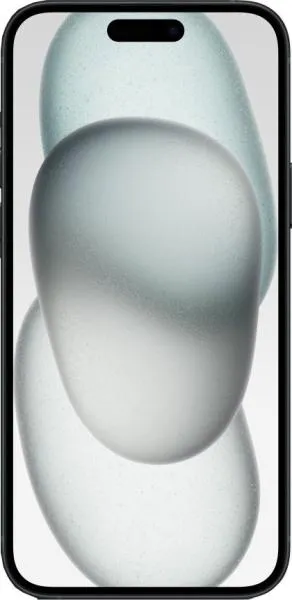
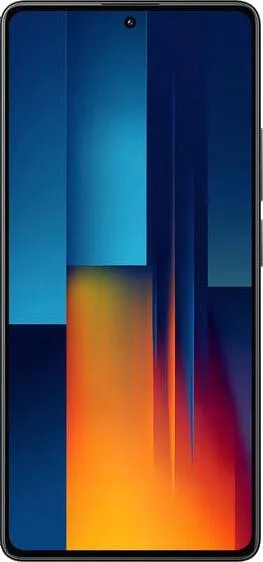
| Dimensions | 160.9 x 77.8 x 7.8 mm | 161.1 x 75 x 8 mm | Virtually identical in size, though the Poco M6 Pro is slightly thicker. |
| Weight | 201g | 179g | The iPhone 15 Plus is noticeably heavier. |
| Build Materials | Not specified | Not specified | Build quality and feel cannot be compared without further information. |
| Display | |||
| Size | 6.7" | 6.67" | Negligible size difference. |
| Type | Super Retina XDR OLED | AMOLED | Both offer vibrant colors and deep blacks. |
| Resolution | 1290 x 2796 | 1080 x 2400 | The iPhone has a significantly sharper display with higher pixel density (460 vs 395 ppi), resulting in crisper text and images. |
| Refresh Rate | Not specified (likely 60Hz) | 120Hz | The 120Hz refresh rate on the Poco M6 Pro will deliver smoother scrolling and animations, making the phone feel more responsive. |
| Peak Brightness | 2000 nits | 1300 nits | The iPhone 15 Plus can achieve significantly higher brightness for better outdoor visibility. |
| Performance | |||
| Chipset | Apple A16 Bionic (4nm) | Mediatek Helio G99 Ultra | The A16 Bionic is a flagship-level chip, significantly more powerful than the mid-range Helio G99. Expect much faster performance and smoother multitasking from the iPhone. |
| CPU | Hexa-core (2x3.46 GHz + 4x2.02 GHz) | Octa-core (2x2.2 GHz + 6x2.0 GHz) | The iPhone's CPU architecture and higher clock speeds offer superior processing power. |
| GPU | Apple GPU (5-core) | Mali-G57 MC2 | The iPhone's GPU offers a substantial performance advantage for demanding games and graphics-intensive tasks. |
| RAM | 6GB | 12GB | While the Poco M6 Pro has double the RAM, the iPhone's superior memory management with its operating system makes this difference less significant in real-world usage. |
| Storage | 256GB/512GB | 512GB | Comparable storage options at the high end. |
| Camera | |||
| Rear Camera | Not specified | Not specified | Camera quality cannot be compared without detailed sensor and lens information. |
| Video Capabilities | Up to 4K@60fps, 1080p@240fps | 1080p@30/60fps | The iPhone offers significantly better video recording capabilities with higher resolution and frame rate options, including slow-motion recording. |
| Battery | |||
| Capacity | 4383 mAh | 5000 mAh | The Poco M6 Pro has a larger battery capacity, potentially offering longer battery life. However, real-world battery performance depends on many factors including software optimization. |
2. Key Differences Analysis
iPhone 15 Plus Advantages:
- Significantly more powerful: The A16 Bionic chip provides a massive performance advantage for demanding tasks and gaming.
- Sharper display: Higher resolution and pixel density result in a crisper viewing experience.
- Brighter display: Better visibility in direct sunlight.
- Superior video recording: Higher resolution and frame rate options.
- Potentially better software and ecosystem: iOS is known for its smooth performance and long-term software support.
Poco M6 Pro Advantages:
- Higher refresh rate display: Smoother scrolling and animations.
- Larger battery capacity: Potentially longer battery life.
- More affordable: Likely priced lower than the iPhone 15 Plus.
- More RAM: Can be advantageous for multitasking, although iOS efficiency mitigates this to some degree.
3. User Profiles & Recommendations
iPhone 15 Plus: Users who prioritize performance, a premium display, a smooth software experience, and a strong ecosystem. Ideal for demanding tasks, gaming, content creation, and users who value long-term software updates.
Poco M6 Pro: Users who prioritize affordability, a smooth display, and long battery life. Suitable for everyday tasks, media consumption, and users who are sensitive to price.
4. Decision Framework
Key Questions:
- What is your budget? The iPhone 15 Plus is likely considerably more expensive.
- What are your primary use cases? Demanding tasks and gaming benefit from the iPhone's performance, while casual use may not necessitate such power.
- Which operating system do you prefer? iOS and Android offer distinct experiences and ecosystems.
My Choice: Apple iPhone 15 Plus
While the Poco M6 Pro offers a compelling package for its price, the iPhone 15 Plus's significant performance advantage, superior display, and the generally smoother and longer-supported iOS ecosystem are the deciding factors for me. The A16 Bionic chip future-proofs the device for demanding applications and ensures a smooth user experience for years to come. Although the Poco M6 Pro boasts a 120Hz refresh rate and larger battery, these advantages don't outweigh the iPhone's overall superior performance and premium features in my personal usage scenario, which involves demanding tasks, content creation, and a preference for long-term software support. The higher price of the iPhone 15 Plus is justified by the significant performance and ecosystem advantages it offers.
