
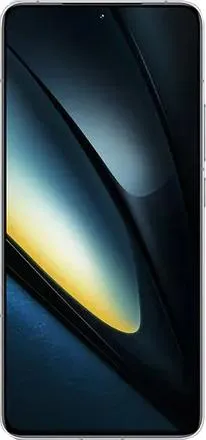
1. Specifications Comparison
| Feature | Apple iPhone 15 Plus | Xiaomi Poco F6 Pro | Practical Impact |
|---|---|---|---|
| Design | |||
| Dimensions | 160.9 x 77.8 x 7.8 mm | 160.9 x 75 x 8.2 mm | Poco F6 Pro is slightly narrower but thicker. Negligible difference in hand feel. |
| Weight | 201g | 209g | Poco F6 Pro is slightly heavier, but the difference is minimal. |
| Build | Not specified | Not specified | Build quality and materials cannot be compared without further information. |
| Display | |||
| Size | 6.7" | 6.67" | Virtually identical screen sizes. |
| Type | Super Retina XDR OLED | AMOLED | Both offer excellent color accuracy and deep blacks. |
| Resolution | 1290 x 2796 | 1440 x 3200 | Poco F6 Pro has a sharper display due to higher resolution. |
| Refresh Rate | Not specified | 120Hz | Poco F6 Pro's 120Hz refresh rate will provide smoother scrolling and animations. A significant advantage for gaming and general UI responsiveness. Missing refresh rate information for the iPhone limits a full comparison. |
| Peak Brightness | 2000 nits | 4000 nits | Poco F6 Pro offers significantly higher peak brightness, ensuring better visibility in direct sunlight. |
| Performance | |||
| Chipset | Apple A16 Bionic (4 nm) | Qualcomm Snapdragon 8 Gen 2 (4 nm) | Both are flagship-level chipsets, offering top-tier performance. Cross-platform comparisons are difficult, but benchmarks suggest the Snapdragon 8 Gen 2 may have a slight edge in some areas. |
| CPU | Hexa-core | Octa-core | Core count doesn't directly translate to performance. Both CPUs should handle demanding tasks with ease. |
| GPU | Apple GPU (5-core graphics) | Adreno 740 | Gaming performance should be excellent on both, but the Adreno 740 may offer a slight advantage in certain titles. Real-world performance depends on game optimization. |
| RAM | 6GB | 12GB/16GB | Poco F6 Pro offers significantly more RAM, allowing for better multitasking and app retention. |
| Storage | 256GB/512GB | 512GB/1000GB | Poco F6 Pro offers a larger storage option (1TB). |
| Battery | |||
| Capacity | 4383 mAh | 5000 mAh | Poco F6 Pro has a larger battery capacity, potentially leading to longer battery life. Real-world usage will vary. |
| Camera | |||
| Video Capabilities | Up to 4K@60fps, 1080p@240fps | Up to 8K@24fps, 1080p@960fps | Poco F6 Pro offers higher resolution (8K) and slow-motion (960fps) video recording capabilities. |
| Specific sensor details | Missing for both | Missing for both | Detailed camera sensor specifications (size, aperture) are needed for a comprehensive comparison. |
2. Key Differences Analysis
iPhone 15 Plus Advantages:
- Potentially better software/hardware integration: Apple's tight control over its ecosystem often results in a smoother and more optimized user experience.
- Longer software support: iPhones generally receive software updates for a longer period than Android devices.
Poco F6 Pro Advantages:
- Higher resolution and refresh rate display: Sharper visuals and smoother animations.
- Larger battery: Potentially longer battery life.
- More RAM: Improved multitasking and app performance.
- Higher resolution and slow-motion video recording: More detailed videos and creative possibilities.
- More affordable for the given storage: Offers more storage for a similar price point.
3. User Profiles & Recommendations
iPhone 15 Plus: Users prioritizing ease of use, a seamless ecosystem, long-term software support, and consistent performance.
Poco F6 Pro: Users prioritizing high-performance hardware, a sharp and responsive display, large battery, expandable storage, and value for money. Gamers and power users would likely prefer the Poco F6 Pro.
4. Decision Framework
Key Questions for Buyers:
- What operating system do you prefer? iOS or Android?
- What is your budget and storage requirement?
- What are your priorities? (Performance, camera, battery life, software updates, ease of use)
My Choice: Xiaomi Poco F6 Pro
While I appreciate the polished experience of iOS, the Poco F6 Pro offers compelling hardware at a potentially lower price. The 120Hz refresh rate, larger battery, and more powerful specs (especially the RAM) are significant advantages for my usage. I value smooth performance and appreciate the flexibility of Android. The lack of detailed camera specs makes a complete judgement impossible, but the video recording capabilities lean towards the Poco. While longevity of software updates is a consideration, the performance advantages of the Poco outweigh that for me. Ultimately, the Poco F6 Pro represents a better value proposition based on the available information.
