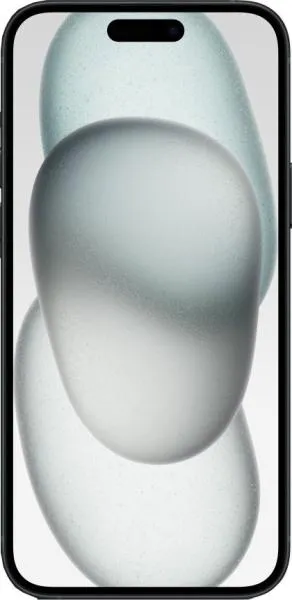
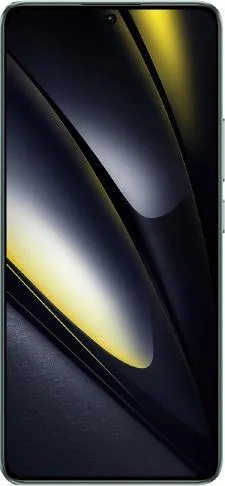
1. Specifications Comparison
| Feature | Apple iPhone 15 Plus | Xiaomi Poco F6 | Practical Impact |
|---|---|---|---|
| Design | |||
| Dimensions | 160.9 x 77.8 x 7.8 mm | 160.5 x 74.5 x 8 mm | Virtually identical in hand feel. |
| Weight | 201g | 179g | Poco F6 noticeably lighter, reducing hand fatigue during extended use. |
| Build Materials | Not specified | Not specified | Cannot compare build quality and durability. |
| Display | |||
| Size | 6.7" | 6.67" | Negligible size difference. |
| Type | Super Retina XDR OLED | AMOLED | Both offer excellent color accuracy and deep blacks. |
| Resolution | 1290 x 2796 | 1220 x 2712 | iPhone has a slightly sharper display, but the difference is minimal in everyday use. |
| Refresh Rate | Not specified | 120Hz | Significant advantage for Poco F6: Smoother scrolling and animations, more responsive gaming experience. |
| Peak Brightness | 2000 nits | 2400 nits | Poco F6 offers better visibility in direct sunlight. |
| Performance | |||
| Chipset | Apple A16 Bionic (4 nm) | Qualcomm Snapdragon 8 Gen 3 (4nm) | Both are flagship-level chipsets offering top-tier performance; real-world differences likely minimal for average users. Benchmarking scores would be needed for detailed comparison. |
| CPU | Hexa-core | Octa-core | Core count doesn't directly translate to performance; architecture and optimization are key. |
| GPU | Apple GPU (5-core) | Adreno 735 | Gaming performance likely comparable, though specific game benchmarks are needed. |
| RAM | 6GB | 12GB | Significant advantage for Poco F6: More RAM allows for smoother multitasking and less frequent app reloading. |
| Storage | 256GB/512GB | 512GB | Comparable high-end storage options. |
| Battery | |||
| Capacity | 4383 mAh | 5000 mAh | Advantage for Poco F6: Larger battery likely translates to longer battery life. |
| Software | |||
| OS | iOS 17 | Android 14 | Preference-based; iOS is known for simplicity and a tightly controlled ecosystem, while Android offers more customization options. |
| Other | |||
| Price Range | Medium | Medium | Requires specific pricing for accurate comparison. |
2. Key Differences Analysis
iPhone 15 Plus Advantages:
- Potentially smoother performance: While benchmarks are needed, Apple's tight integration of hardware and software often results in optimized performance.
- Longer Software Support: Apple typically provides longer software updates compared to Android manufacturers.
- Stronger Ecosystem: Benefits from a robust app ecosystem and seamless integration with other Apple devices.
Xiaomi Poco F6 Advantages:
- Higher Refresh Rate Display: Significantly smoother user experience.
- Larger Battery: Potentially longer battery life.
- More RAM: Improved multitasking performance.
- Higher Peak Brightness: Better outdoor visibility.
3. User Profiles & Recommendations
iPhone 15 Plus: Users prioritizing ease of use, a seamless ecosystem, long-term software updates, and consistent performance. Ideal for users already invested in the Apple ecosystem.
Xiaomi Poco F6: Users prioritizing performance, multitasking, long battery life, a vibrant display, and value for money. Ideal for power users, gamers, and those seeking the latest hardware at a competitive price.
4. Decision Framework
Key Questions:
- What is your budget? Actual pricing will heavily influence the value proposition.
- What operating system do you prefer? iOS and Android offer distinct experiences.
- What are your primary use cases? (e.g., gaming, photography, general use)
Scenario-Based Recommendations:
- Gamer: Poco F6 due to higher refresh rate display, larger battery, and more RAM.
- Average User: Decision depends on OS preference and price; iPhone for ecosystem integration, Poco F6 for potentially longer battery life and smoother display.
- Power User: Poco F6 for its performance-focused hardware.
My Choice: Xiaomi Poco F6
While I appreciate Apple's ecosystem and optimization, the Poco F6's 120Hz display, larger battery, and significantly more RAM offer tangible benefits in daily use for my needs. The potential for longer battery life and smoother scrolling outweighs the advantages of the iPhone for me personally. I also value the flexibility and customization options offered by Android. However, if specific pricing showed the iPhone 15 Plus to be significantly cheaper, it might sway my decision. This ultimately highlights the importance of considering individual needs and budget when making a purchase.
