1. Specifications Comparison
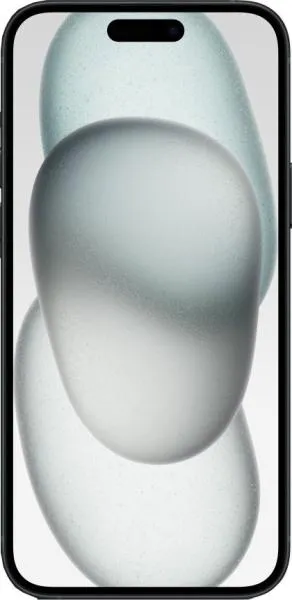
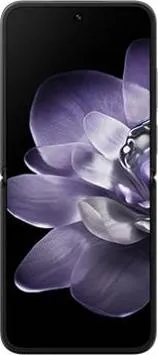
| Feature | Apple iPhone 15 Plus | Xiaomi Mix Flip | Practical Impact |
|---|---|---|---|
| Design | |||
| Dimensions | 160.9 x 77.8 x 7.8 mm | 167.5 x 74 x 7.6 mm | Mix Flip is slightly taller and narrower when unfolded, but significantly more compact when folded. |
| Weight | 201g | 190g | Mix Flip is slightly lighter despite the folding mechanism. |
| Foldable | No | Yes | Mix Flip offers greater portability and a unique form factor. |
| Display | |||
| Size | 6.7" | 6.86" | Mix Flip offers a slightly larger display area. |
| Type | Super Retina XDR OLED | Foldable LTPO AMOLED | Mix Flip uses a newer display technology (LTPO) which can dynamically adjust refresh rate for better power efficiency. |
| Resolution | 1290 x 2796 | 1224 x 2912 | Similar pixel density (~460 ppi) resulting in sharp visuals on both. Mix Flip's taller aspect ratio may be better suited for reading. |
| Refresh Rate | Not specified | 120Hz | Mix Flip's 120Hz offers smoother animations and scrolling compared to the iPhone's standard 60Hz (assumed, not specified). |
| Peak Brightness | 2000 nits | 3000 nits | Mix Flip's significantly higher peak brightness ensures better visibility in direct sunlight. |
| Performance | |||
| Chipset | Apple A16 Bionic (4 nm) | Snapdragon 8 Gen 3 (4 nm) | Both are flagship chipsets from their respective release years, promising top-tier performance. Direct comparison is difficult without benchmarks. |
| CPU | Hexa-core | Octa-core | Core count doesn't directly translate to performance; both CPUs should handle demanding tasks with ease. |
| GPU | Apple GPU (5-core) | Adreno 750 | Gaming performance likely favors the newer Snapdragon GPU, but real-world differences depend on optimization. |
| RAM | 6GB | 12GB | Mix Flip's larger RAM allows for more apps to run in the background without reloading. |
| Battery | |||
| Capacity | 4383 mAh | 4780 mAh | Mix Flip has a larger battery capacity, but real-world battery life depends on various factors including display refresh rate and software optimization. |
| Other | |||
| OS | iOS 17 | Android 14 | Different operating systems cater to different user preferences and ecosystems. |
| Storage | 256/512GB | 512GB | Mix Flip offers only a 512GB option, while the iPhone 15 Plus has a 256GB option for potentially lower cost. |
2. Key Differences Analysis
iPhone 15 Plus Advantages:
- Established Ecosystem: Seamless integration with other Apple devices and services.
- Potentially Lower Price: Offers a 256GB storage option which might be more affordable.
- Software Updates: Generally receives longer software updates compared to Android phones.
Xiaomi Mix Flip Advantages:
- Foldable Design: Offers portability and a larger screen in a compact form factor.
- Higher Refresh Rate Display: Smoother scrolling and animations due to 120Hz.
- Larger Battery: Potentially longer battery life.
- More RAM: Better multitasking performance.
- Brighter Display: Superior outdoor visibility.
Trade-offs:
- Foldable Durability: Foldable phones are generally more susceptible to damage compared to traditional slab phones.
- Software Updates (Mix Flip): Android phones typically receive fewer years of major OS updates compared to iPhones.
- Price (Mix Flip): The Mix Flip is positioned in a higher price bracket.
3. User Profiles & Recommendations
iPhone 15 Plus: Users who prioritize ease of use, a mature app ecosystem, long-term software updates, and seamless integration with other Apple devices.
Xiaomi Mix Flip: Users who value cutting-edge technology, a larger display in a compact form factor, and prioritize performance and multitasking. Suitable for users who consume a lot of media or require a larger screen for productivity on the go.
4. Decision Framework
Key Questions:
- Budget: Is a high-end phone within your budget?
- Form Factor: Do you prioritize portability and a unique design or a traditional slab phone?
- Operating System: Do you prefer iOS or Android?
My Choice: Xiaomi Mix Flip
While the iPhone 15 Plus offers a refined and familiar experience, the Xiaomi Mix Flip's foldable design, higher refresh rate display, larger battery, and more powerful hardware make it a more compelling device for me. The portability offered by a foldable phone combined with the larger screen real estate for productivity and media consumption significantly outweighs the potential downsides for my personal use. I'm willing to pay a premium for the innovative form factor and the latest hardware advancements. The potential for shorter software support compared to the iPhone is a consideration, but not a deal-breaker for me.
