1. Specifications Comparison
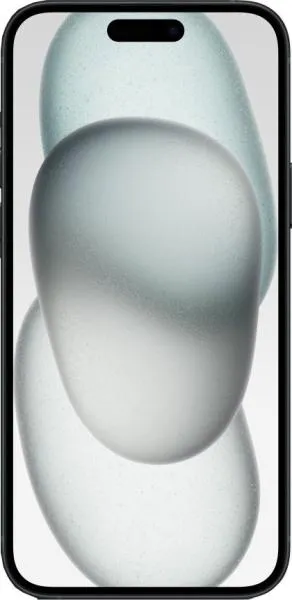
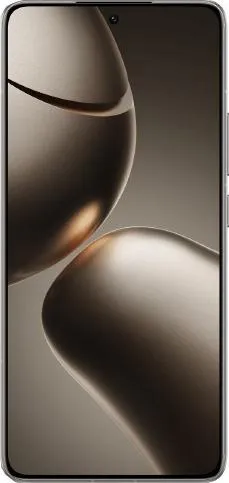
| Feature | Apple iPhone 15 Plus | Xiaomi 14T Pro | Practical Impact |
|---|---|---|---|
| Design | |||
| Dimensions | 160.9 x 77.8 x 7.8 mm | 160.4 x 75.1 x 8.4 mm | Xiaomi 14T Pro is slightly shorter and narrower, but thicker. Negligible difference in hand feel. |
| Weight | 201g | 209g | Xiaomi 14T Pro is slightly heavier, but the difference is minimal. |
| Build Materials | Not specified | Not specified | Build quality and durability cannot be compared without further information. |
| Display | |||
| Size | 6.7" | 6.67" | Virtually identical screen sizes. |
| Type | Super Retina XDR OLED | AMOLED | Both offer excellent color accuracy and deep blacks. |
| Resolution | 1290 x 2796 | 1220 x 2712 | iPhone has a slightly higher resolution, resulting in marginally sharper text. The difference is unlikely to be noticeable in everyday use. |
| Refresh Rate | Not specified (likely 60Hz) | 144Hz | 144Hz refresh rate on the Xiaomi offers significantly smoother scrolling and animations, leading to a more fluid user experience. |
| Peak Brightness | 2000 nits | 4000 nits | Xiaomi's significantly higher peak brightness ensures better visibility in direct sunlight. |
| Performance | |||
| Chipset | Apple A16 Bionic (4 nm) | Mediatek Dimensity 9300+ (4 nm) | Both are high-end chipsets offering top-tier performance. Real-world performance differences would need benchmarking. |
| CPU | Hexa-core | Octa-core | Core count doesn't directly translate to performance; architecture and optimization matter more. Requires benchmarking for accurate comparison. |
| GPU | Apple GPU (5-core) | Immortalis-G720 MC12 | Gaming performance differences would need benchmarking. |
| RAM | 6GB | 12GB | Xiaomi's larger RAM allows for more apps to run in the background without reloading, enhancing multitasking. |
| Storage | 256GB/512GB | 512GB | Xiaomi only offers a 512GB option, while iPhone offers more choice. |
| Camera | |||
| Video Capabilities | Up to 4K@60fps, 1080p@240fps | Up to 8K@30fps, 1080p@960fps | Xiaomi offers higher resolution and slow-motion video recording capabilities. |
| Specific Sensor Details | Missing | Missing | Detailed camera sensor specifications are needed for a meaningful comparison (e.g., sensor size, aperture). |
| Battery | |||
| Capacity | 4383 mAh | 5000 mAh | Xiaomi's larger battery likely translates to longer battery life. Real-world usage will vary. |
2. Key Differences Analysis
Xiaomi 14T Pro Advantages:
- Higher Refresh Rate Display: Smoother and more responsive user experience.
- Brighter Display: Enhanced outdoor visibility.
- Larger Battery: Potentially longer battery life.
- More RAM: Improved multitasking capabilities.
- Higher Resolution and Frame Rate Video Recording: More detailed and cinematic video capture.
iPhone 15 Plus Advantages:
- Potentially smoother performance due to iOS optimization. (Needs benchmarking)
- Wider storage options: More flexibility for users with different storage needs.
- Established ecosystem: Seamless integration with other Apple devices and services.
Trade-offs:
- iPhone 15 Plus: Potentially shorter battery life, lower refresh rate display, less RAM.
- Xiaomi 14T Pro: Potentially less optimized software experience compared to iOS. No smaller storage option available.
3. User Profiles & Recommendations
iPhone 15 Plus Ideal User: Users prioritizing seamless integration with the Apple ecosystem, consistent performance, and a refined user experience. Good for everyday tasks, media consumption, and casual gaming.
Xiaomi 14T Pro Ideal User: Users prioritizing performance, a smooth and responsive display, long battery life, and advanced video recording features. Great for power users, mobile gamers, and content creators.
4. Decision Framework
Key Questions for Buyers:
- How important is display smoothness and brightness? A higher refresh rate and peak brightness drastically improve the visual experience.
- What is your budget and storage requirement? The Xiaomi only comes in a 512GB option, while the iPhone offers 256GB.
- What ecosystem are you invested in? Consider existing devices and services.
My Choice: Xiaomi 14T Pro
While I acknowledge the strengths of the Apple ecosystem and potential performance advantages of the A16 Bionic, the Xiaomi 14T Pro's 144Hz display, significantly brighter screen, larger battery, and more RAM are compelling advantages for me. The improved user experience offered by the high refresh rate display, especially combined with the powerful Dimensity 9300+, would be a significant upgrade. The ability to record 8K video is a bonus for capturing high-quality footage. While storage options are limited, 512GB is sufficient for my needs. I prioritize these practical benefits over the tighter integration of the Apple ecosystem.
