
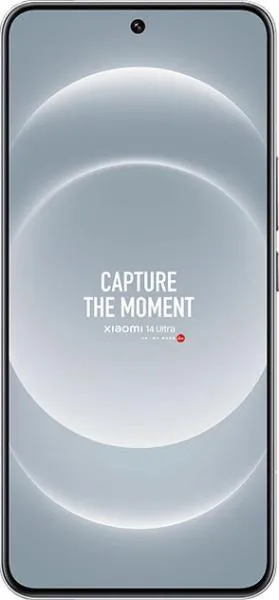
1. Specifications Comparison
| Feature | Apple iPhone 15 Plus | Xiaomi 14 Ultra | Practical Impact |
|---|---|---|---|
| Design | |||
| Dimensions | 160.9 x 77.8 x 7.8 mm | 161.4 x 75.3 x 9.2 mm | Xiaomi 14 Ultra is slightly taller, wider, and noticeably thicker. iPhone 15 Plus likely feels more compact in hand. |
| Weight | 201g | 229.5g | Xiaomi 14 Ultra is significantly heavier, potentially impacting one-handed use and pocket comfort. |
| Build Materials | Not specified | Not specified | Cannot compare build quality and material durability without more information. |
| Display | |||
| Size | 6.7 inches | 6.73 inches | Negligible size difference in real-world usage. |
| Type | Super Retina XDR OLED | LTPO AMOLED | Both offer excellent color accuracy and deep blacks. LTPO on the Xiaomi allows for dynamic refresh rate adjustment, potentially saving battery. |
| Resolution | 1290 x 2796 | 1440 x 3200 | Xiaomi 14 Ultra has a sharper display with higher pixel density (522 vs 460 ppi), resulting in crisper text and images. |
| Refresh Rate | Not specified (Likely 60Hz) | 120Hz | Xiaomi's 120Hz offers smoother scrolling and animations, resulting in a more fluid user experience. Assuming iPhone 15 Plus is 60Hz based on previous models. |
| Peak Brightness | 2000 nits | 3000 nits | Xiaomi 14 Ultra offers significantly higher peak brightness, improving outdoor visibility in direct sunlight. |
| Performance | |||
| Chipset | Apple A16 Bionic (4 nm) | Qualcomm Snapdragon 8 Gen 3 (4 nm) | Both are flagship chipsets offering top-tier performance. Real-world differences likely minimal for average users. Benchmarking required for detailed comparison. |
| CPU | Hexa-core | Octa-core | Core count difference doesn't directly translate to performance. A16's efficiency core architecture may offer advantages in sustained performance. |
| GPU | Apple GPU (5-core) | Adreno 750 | Gaming performance likely comparable. Detailed GPU benchmarks needed for precise comparison. |
| RAM | 6GB | 16GB | Xiaomi offers significantly more RAM, enabling better multitasking and preventing app closures in the background. |
| Storage | 256GB/512GB | 512GB | Xiaomi lacks a 256GB option in the provided specs. |
| Battery | |||
| Capacity | 4383 mAh | 5000 mAh | Xiaomi 14 Ultra has a larger battery, potentially leading to longer battery life. However, software optimization and display refresh rate also significantly impact battery performance. |
| Camera | |||
| Video Capabilities | Up to 4K@60fps, 1080p@240fps | Up to 8K@30fps, 4K@120fps, 1080p@1920fps | Xiaomi offers higher resolution and frame rate video recording options, including slow-motion capabilities up to 1920fps. Missing detailed camera sensor specifications limit a comprehensive comparison. |
2. Key Differences Analysis
Xiaomi 14 Ultra Advantages:
- Sharper, smoother display: Higher resolution, refresh rate, and peak brightness deliver a superior visual experience.
- Larger battery: Potentially longer battery life.
- More RAM: Enhanced multitasking capabilities.
- Higher resolution and frame rate video recording: More versatile video capabilities for content creators.
- Faster Charging & Data Transfer: USB 3.2 offers advantages over USB 2.0
iPhone 15 Plus Advantages:
- Lighter and more compact: Easier to handle and carry.
- Potentially better sustained performance: A16 Bionic's efficiency core architecture may provide advantages.
- iOS Ecosystem: Seamless integration with other Apple devices and services.
Trade-offs:
- Xiaomi's larger battery and higher specs come at the cost of increased weight and thickness.
- iPhone's more compact design may compromise on battery life and screen real estate.
3. User Profiles & Recommendations
iPhone 15 Plus: Users prioritizing a lightweight, compact phone with a strong ecosystem integration and reliable performance. Ideal for everyday tasks, casual gaming, and consuming media.
Xiaomi 14 Ultra: Users who demand the best display, performance, and camera capabilities, especially for content creation, gaming, and multitasking. Suitable for power users who don't mind the extra weight and size.
4. Decision Framework
Key Questions:
- How important is portability and one-handed use?
- What are your primary smartphone usage patterns (gaming, content creation, social media)?
- Do you prioritize ecosystem integration (e.g., with other Apple devices)?
Scenario-Based Recommendations:
- Prioritize portability: iPhone 15 Plus.
- Prioritize performance and media consumption: Xiaomi 14 Ultra.
- Prioritize ecosystem: iPhone 15 Plus.
My Choice: Xiaomi 14 Ultra
Reasons:
While I appreciate the iPhone's compact design and ecosystem, the Xiaomi 14 Ultra's superior display (higher resolution, 120Hz refresh rate, peak brightness), larger battery, significantly more RAM (16GB vs 6GB), and advanced video recording capabilities are more compelling for my usage. I prioritize a fluid user experience, long battery life, and the ability to multitask efficiently. The faster charging and data capabilities of USB 3.2 are also significant advantages. The extra weight is a trade-off I'm willing to accept for the significant performance and feature upgrades.
