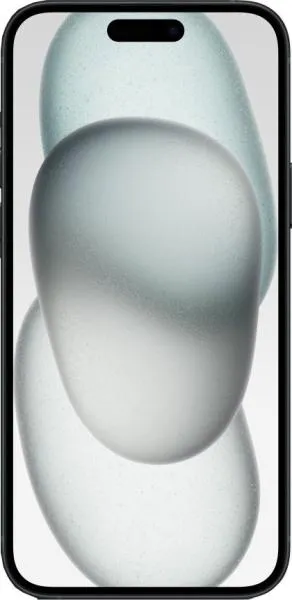
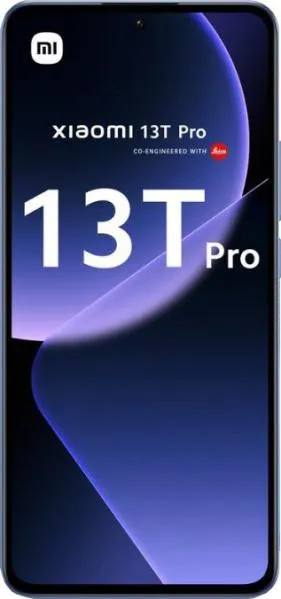
1. Specifications Comparison
| Feature | Apple iPhone 15 Plus | Xiaomi 13T Pro | Practical Impact |
|---|---|---|---|
| Design | |||
| Dimensions | 160.9 x 77.8 x 7.8 mm | 162.2 x 75.7 x 8.5 mm | Xiaomi 13T Pro is slightly larger and thicker. Negligible difference in daily use. |
| Weight | 201g | 200g | Virtually identical weight; no noticeable difference in hand. |
| Build | Not specified | Not specified | Build quality cannot be compared without more information. |
| Display | |||
| Size | 6.7" | 6.67" | Negligible size difference. |
| Type | Super Retina XDR OLED | AMOLED | Both offer excellent color accuracy and deep blacks. |
| Resolution | 1290 x 2796 | 1220 x 2712 | iPhone has a slightly higher pixel density (460 ppi vs 446 ppi), potentially resulting in slightly sharper text and images, but the difference is minimal. |
| Refresh Rate | Not specified | 144Hz | 144Hz on the Xiaomi offers significantly smoother scrolling and animations compared to a standard 60Hz likely on the iPhone. |
| Peak Brightness | 2000 nits | 2600 nits | Xiaomi offers better visibility in direct sunlight. |
| Performance | |||
| Chipset | Apple A16 Bionic (4 nm) | Mediatek Dimensity 9200+ (4 nm) | Both are high-end chipsets offering excellent performance. Real-world differences likely minimal for average users, but benchmarks would be needed for detailed comparison. |
| CPU | Hexa-core (2x3.46 GHz + 4x2.02 GHz) | Octa-core (1x3.35 GHz + 3x3.0 GHz + 4x2.0 GHz) | Core configuration differences don't directly translate to noticeable performance differences without real-world testing. |
| GPU | Apple GPU (5-core) | Immortalis-G715 MC11 | Gaming performance needs further benchmarking to compare. |
| RAM | 6GB | 12GB/16GB | Xiaomi offers significantly more RAM, potentially leading to better multitasking and app retention in the long run. |
| Storage | 256GB/512GB | 512GB/1TB | Xiaomi offers a higher maximum storage option. |
| Battery | |||
| Capacity | 4383 mAh | 5000 mAh | Xiaomi has a larger battery capacity, potentially leading to longer battery life. |
| Camera | |||
| Video Capabilities | Up to 4K@60fps, 1080p@240fps | Up to 8K@24fps, 1080p@240fps | Xiaomi offers 8K video recording, but 4K at 60fps is generally more practical for most users. Both offer slow-motion capabilities. EIS specified on the Xiaomi suggests better video stabilization. |
| Specific Sensor details | Missing for both | Missing for both | Detailed camera comparison not possible without sensor specifications and aperture information. |
| Software | |||
| OS | iOS 17 | Android 13 | Different operating systems cater to different user preferences. iOS is known for its simplicity and tight integration, while Android offers more customization options. |
2. Key Differences Analysis
iPhone 15 Plus Advantages:
- Potentially smoother performance within the Apple ecosystem: A16 Bionic chip optimized for iOS.
- Longer software support: Apple typically provides longer software updates than Android manufacturers.
- Slightly higher pixel density: Sharper text and images, though the difference is minimal.
Xiaomi 13T Pro Advantages:
- Higher refresh rate display: Smoother scrolling and animations.
- Brighter display: Better visibility outdoors.
- Larger battery: Potentially longer battery life.
- More RAM: Improved multitasking and app retention.
- Higher storage options: More space for apps and files.
- 8K video recording: Higher resolution video capture.
Trade-offs:
- iPhone: Potentially shorter battery life, lower refresh rate display, less RAM, less storage.
- Xiaomi: Potentially less optimized software/hardware integration compared to iPhone, shorter software update cycle.
3. User Profiles & Recommendations
iPhone 15 Plus: Users prioritizing ease of use, seamless integration within the Apple ecosystem, long-term software updates, and a premium feel.
Xiaomi 13T Pro: Users prioritizing performance, a high refresh rate display, long battery life, large storage, and value for money. Power users, gamers, and multimedia enthusiasts might prefer the Xiaomi.
4. Decision Framework
Key Questions:
- What operating system do you prefer? iOS or Android?
- What is your budget and storage needs?
- What are your priorities? (Performance, battery life, display quality, camera features, software updates)
Scenario-Based Recommendations:
- Prioritize smooth performance and long battery life: Xiaomi 13T Pro.
- Value long-term software updates and ecosystem integration: iPhone 15 Plus.
My Choice: Xiaomi 13T Pro
Reasoning:
While I appreciate the Apple ecosystem and software support, the Xiaomi 13T Pro offers a more compelling package for my needs. The 144Hz display, larger battery, increased RAM, and higher storage options are significant advantages for my usage patterns, which involve multitasking, gaming, and media consumption. The potential trade-off in software updates is acceptable considering the performance and feature gains. The price-to-performance ratio of the Xiaomi makes it the more attractive option for me. While I acknowledge that benchmark comparisons are needed for a definitive performance conclusion, the combination of the Dimensity 9200+ and higher RAM points towards a powerful device capable of handling demanding tasks.
