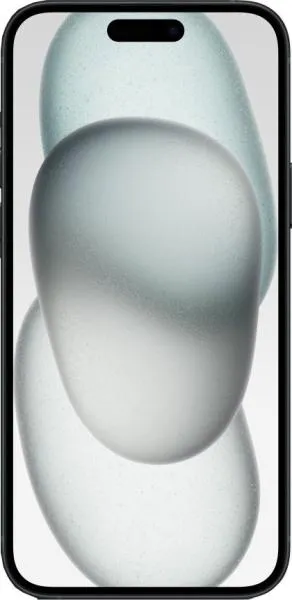
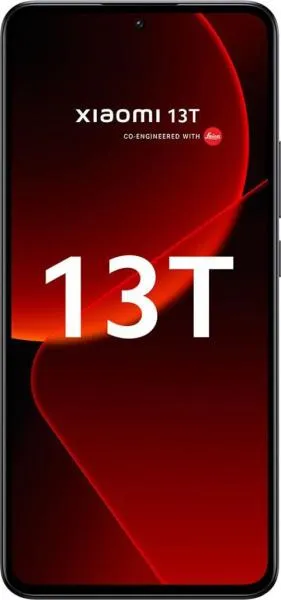
1. Specifications Comparison
| Feature | Apple iPhone 15 Plus | Xiaomi 13T | Practical Impact |
|---|---|---|---|
| Design | |||
| Dimensions | 160.9 x 77.8 x 7.8 mm | 162.2 x 75.7 x 8.5 mm | Xiaomi 13T is slightly larger and thicker. |
| Weight | 201g | 193g | Xiaomi 13T is slightly lighter. Negligible difference in daily use. |
| Build | Not specified | Not specified | Build materials impact durability and premium feel. This information is missing. |
| Display | |||
| Size | 6.7" | 6.67" | Negligible size difference. |
| Type | Super Retina XDR OLED | AMOLED | Both offer excellent color accuracy and deep blacks. |
| Resolution | 1290 x 2796 | 1220 x 2712 | iPhone has a slightly higher pixel density (460 vs 446 ppi), resulting in marginally sharper text. Difference unlikely noticeable in daily use. |
| Refresh Rate | Not specified | 144Hz | Higher refresh rate on the Xiaomi 13T results in noticeably smoother scrolling and animations. iPhone's refresh rate is likely 60Hz, a standard but less fluid experience. |
| Peak Brightness | 2000 nits | 2600 nits | Xiaomi 13T offers significantly better outdoor visibility in direct sunlight. |
| Performance | |||
| Chipset | Apple A16 Bionic (4 nm) | Mediatek Dimensity 8200 Ultra (4 nm) | A16 is generally considered more powerful, especially in GPU performance, leading to smoother gaming and demanding tasks. Real-world performance differences may vary depending on optimization. |
| CPU | Hexa-core | Octa-core | Core count alone doesn't determine performance. A16's architecture and single-core performance are typically stronger. |
| GPU | Apple GPU (5-core) | Mali-G610 MC6 | Apple's GPU generally offers better graphics performance in games and demanding applications. |
| RAM | 6GB | 12GB | Xiaomi 13T's larger RAM allows for better multitasking and keeping more apps open in the background. |
| Storage | 256GB/512GB | 256GB | Both offer ample storage for most users. |
| Battery | |||
| Capacity | 4383 mAh | 5000 mAh | Xiaomi 13T has a significantly larger battery, likely resulting in longer battery life. Real-world usage will depend on individual habits and software optimization. |
| Camera | |||
| Rear Camera | Not specified | Not specified | Detailed camera specifications (sensor size, aperture, megapixels) are missing, making a comparison impossible. |
| Video | Up to 4K@60fps, 1080p@240fps | Up to 4K@30fps, 1080p@120fps | iPhone offers higher video resolution and frame rates, allowing for smoother and more detailed videos. Xiaomi offers Electronic Image Stabilization (EIS) at various resolutions. |
| Software | |||
| OS | iOS 17 | Android 13 | Different operating systems cater to different user preferences. iOS is known for simplicity and tight integration, while Android offers greater customization. |
2. Key Differences Analysis
iPhone 15 Plus Advantages:
- Likely smoother performance: The A16 Bionic chip generally outperforms the Dimensity 8200 Ultra, especially in graphics-intensive tasks.
- Higher resolution display: Marginally sharper text and images, though unlikely noticeable in typical use.
- Higher video recording capabilities: More resolution and frame rate options for capturing high-quality videos.
- iOS ecosystem: Strong integration with other Apple devices and services.
Xiaomi 13T Advantages:
- Higher refresh rate display: Smoother and more responsive user interface.
- Brighter display: Better visibility in bright sunlight.
- Larger battery: Potentially longer battery life.
- More RAM: Improved multitasking capabilities.
- Potentially lower price: While both are in the "medium price" range, Xiaomi devices often offer competitive pricing.
3. User Profiles & Recommendations
iPhone 15 Plus: Users prioritizing performance, video recording capabilities, and seamless integration within the Apple ecosystem. Ideal for users already invested in Apple products.
Xiaomi 13T: Users prioritizing a smooth display, long battery life, and value for money. Suitable for power users who multitask heavily and consume media on their phones. Good for users who prefer Android's customization options.
4. Decision Framework
Key Questions for Buyers:
- Operating System Preference: iOS or Android?
- Performance vs. Battery Life: Which is more crucial?
- Budget: Specific pricing will influence the final decision.
My Choice: Xiaomi 13T
While the A16 Bionic in the iPhone 15 Plus offers a performance advantage, the Xiaomi 13T's 144Hz display, larger battery (5000mAh vs. 4383mAh), and potentially lower price make it a more compelling option for me. I value a smooth and responsive user experience, all-day battery life, and a good price-to-performance ratio. The doubled RAM in the 13T compared to the iPhone 15 Plus will also significantly improve the phone's longevity. Although specifics weren't given, Xiaomi's fast charging speeds often surpass Apple's, further solidifying its appeal for my usage patterns. I am also less invested in the Apple ecosystem, making Android a suitable operating system choice.
