1. Specifications Comparison
| Feature | Apple iPhone 15 Plus | Samsung Galaxy Tab S9 FE+ | Practical Impact |
|---|---|---|---|
| Design | |||
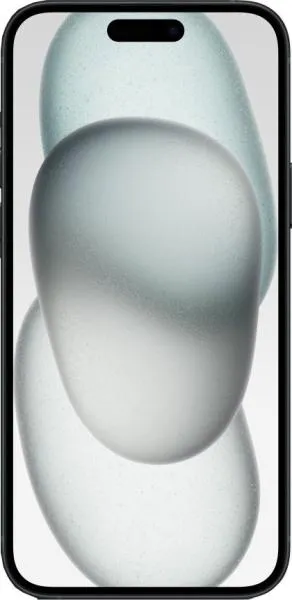
| Dimensions | 160.9 x 77.8 x 7.8 mm | 285.4 x 185.4 x 6.5 mm | iPhone 15 Plus is a pocketable phone; Tab S9 FE+ is a large tablet. Portability is significantly different. |
| Weight | 201g | 627g | The tablet is much heavier, impacting one-handed use and portability. |
| Build | Not specified | Not specified | Build materials impact durability and premium feel. This information is missing. |
| Display | |||
| Size | 6.7" | 12.4" | Much larger screen real estate on the tablet for media consumption and multitasking. |
| Type | Super Retina XDR OLED | IPS LCD | OLED offers superior contrast, deeper blacks, and potentially better power efficiency. |
| Resolution | 1290 x 2796 | 2560 x 1600 | Similar pixel density (~460 vs ~243 PPI), but the larger tablet screen means individual pixels might be more noticeable. |
| Refresh Rate | Not specified | 90Hz | Higher refresh rate on the tablet results in smoother scrolling and animations. iPhone refresh rate is likely 60Hz but not confirmed. |
| Peak Brightness | 2000 nits | Not specified | Higher peak brightness on the iPhone ensures better visibility in direct sunlight. |
| Performance | |||
| Chipset | Apple A16 Bionic (4 nm) | Exynos 1380 (5 nm) | A16 is generally considered a more powerful chipset, likely leading to better performance in demanding tasks and gaming. Direct comparison is difficult without benchmarks. |
| CPU | Hexa-core | Octa-core | Core count alone doesn't determine performance. Architecture and clock speeds matter more. |
| GPU | Apple GPU (5-core) | Mali-G68 MP5 | Apple's GPU generally performs better in graphics-intensive tasks. |
| RAM | 6GB | 12GB | More RAM on the tablet allows for better multitasking and keeping more apps open in the background. |
| Storage | 256/512 GB | 256GB | Similar base storage, but the iPhone offers a higher storage option. |
| Battery | |||
| Capacity | 4383 mAh | 10090 mAh | Much larger battery in the tablet, expected given its size and display. Actual battery life depends on usage patterns. |
| Other | |||
| OS | iOS 17 | Android 13 | Different operating systems cater to different user preferences and ecosystems. |
| NFC | Yes | No | iPhone allows for contactless payments and other NFC functionalities. |
2. Key Differences Analysis
iPhone 15 Plus Advantages:
- Significantly more portable: Easier to carry and use one-handed.
- Brighter display: Better outdoor visibility.
- Likely superior performance: A16 Bionic generally outperforms Exynos 1380.
- NFC functionality: Enables contactless payments.
Samsung Galaxy Tab S9 FE+ Advantages:
- Much larger display: Immersive media consumption and better multitasking.
- Higher refresh rate: Smoother scrolling and animations.
- More RAM: Improved multitasking capabilities.
- Significantly larger battery: Potentially longer battery life.
3. User Profiles & Recommendations
iPhone 15 Plus: Ideal for users who prioritize portability, a premium mobile experience, and a strong app ecosystem. Excellent for everyday communication, social media, web browsing, and casual gaming on the go.
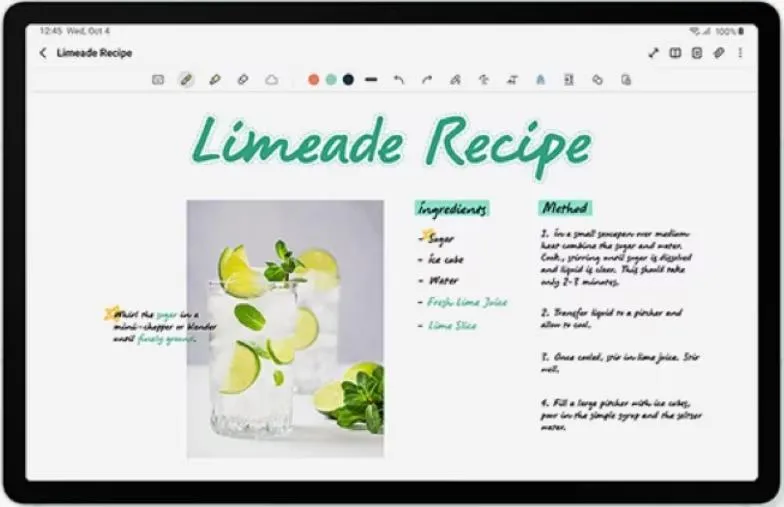
Samsung Galaxy Tab S9 FE+: Suitable for users who prioritize a large screen for media consumption, multitasking, note-taking, and drawing. Great for students, artists, and anyone who consumes a lot of content on their device.
4. Decision Framework
Key Questions for Buyers:
- What is your primary use case? (e.g., communication, media consumption, productivity)
- How important is portability?
- What is your budget and preferred operating system?
Scenario-Based Recommendations:
- Frequent traveler: iPhone 15 Plus for its portability and all-day battery life.
- Student or artist: Tab S9 FE+ for its large screen for note-taking and drawing.
- Media enthusiast: Tab S9 FE+ for immersive video watching and gaming.
My Choice: iPhone 15 Plus
While the Tab S9 FE+ offers compelling features like a large screen and more RAM, I would choose the iPhone 15 Plus. My priority is a powerful and portable device that easily fits in my pocket. The superior performance of the A16 Bionic, the brighter display, and the inclusion of NFC for mobile payments are crucial for my daily use. While I appreciate the benefits of a larger screen, the portability and overall user experience of the iPhone 15 Plus better suit my needs. The tablet's larger size makes it less practical for everyday carry and one-handed use. Ultimately, this decision comes down to personal preference and prioritizing portability over screen size.
