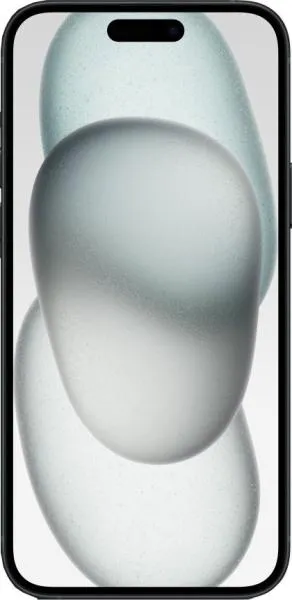

1. Specifications Comparison
| Feature | Apple iPhone 15 Plus | Samsung Galaxy S24+ | Practical Impact |
|---|---|---|---|
| Design | |||
| Dimensions | 160.9 x 77.8 x 7.8 mm | 158.5 x 75.9 x 7.7 mm | S24+ is slightly smaller and thinner, potentially offering a better hand feel for some users. |
| Weight | 201g | 196g | S24+ is slightly lighter, reducing hand fatigue during extended use. |
| Build | Missing | Missing | Build materials impact durability and premium feel. This information is crucial for a comprehensive comparison. |
| Display | |||
| Size | 6.7" | 6.7" | Identical screen sizes. |
| Type | Super Retina XDR OLED | Dynamic LTPO AMOLED 2X | Both are high-quality displays, but AMOLED generally offers deeper blacks and better power efficiency. LTPO allows for dynamic refresh rate adjustment, saving battery. |
| Resolution | 1290 x 2796 | 1440 x 3120 | S24+ has a significantly sharper display (higher pixel density), resulting in crisper text and images. |
| Refresh Rate | Not specified | 120Hz | A higher refresh rate on the S24+ results in smoother animations and scrolling, making the user experience feel more fluid. The lack of specification for the iPhone makes a direct comparison impossible. |
| Peak Brightness | 2000 nits | 2600 nits | S24+ offers better visibility in direct sunlight. |
| Performance | |||
| Chipset | Apple A16 Bionic (4 nm) | Qualcomm Snapdragon 8 Gen 3 (4 nm) | Both are flagship chipsets, promising excellent performance. Cross-platform benchmarks are needed for objective comparison. |
| CPU | Hexa-core | Octa-core | More cores on the S24+ don't necessarily translate to better performance, architecture efficiency plays a significant role. Real-world usage and benchmarks are needed for accurate comparison. |
| GPU | Apple GPU (5-core) | Adreno 750 | Gaming and graphically intensive tasks might perform differently. Dedicated GPU benchmarks are necessary for a detailed comparison. |
| RAM | 6GB | 12GB | S24+ having double the RAM could allow for better multitasking and smoother performance with multiple apps open. |
| Battery | |||
| Capacity | 4383 mAh | 4900 mAh | Larger battery capacity in the S24+ suggests longer battery life, but real-world usage varies greatly depending on software and usage patterns. |
| Other | |||
| OS | iOS 17 | Android 14 | OS preference is subjective. iOS is known for its simplicity and tight ecosystem, while Android offers greater customization. |
| Storage | 256GB/512GB | 512GB | iPhone offers a 256GB option, providing a lower entry price point. |
| Sensors | Face ID, accelerometer, gyro, proximity, compass, barometer | Fingerprint (under display), accelerometer, gyro, proximity, compass, barometer | Both phones offer a comprehensive suite of sensors. User preference dictates whether Face ID or an under-display fingerprint sensor is preferred. |
2. Key Differences Analysis
iPhone 15 Plus Advantages:
- Potentially Lower Price: The availability of a 256GB model suggests a lower entry price compared to the S24+.
- iOS Ecosystem: Users invested in the Apple ecosystem benefit from seamless integration with other Apple devices and services.
Samsung Galaxy S24+ Advantages:
- Sharper Display: Higher resolution and refresh rate deliver a noticeably superior visual experience.
- Larger Battery: Potentially longer battery life.
- More RAM: Smoother multitasking and performance.
- Brighter Display: Better outdoor visibility.
- More Storage at Base Level: Starts with 512 GB of storage compared to iPhone's 256 GB.
3. User Profiles & Recommendations
iPhone 15 Plus: Users prioritizing ease of use, seamless integration with the Apple ecosystem, and a potentially lower price point.
Samsung Galaxy S24+: Users who value a premium display, cutting-edge performance, more storage, and longer battery life. Power users, gamers, and multimedia enthusiasts would likely prefer the S24+.
4. Decision Framework
Key Questions for Buyers:
- Operating System Preference: iOS or Android?
- Budget: Is the higher price of the S24+ justified by its superior features?
- Priority Features: Which features are most important to you (display quality, battery life, performance, ecosystem)?
My Choice: Samsung Galaxy S24+
While the iPhone 15 Plus offers the benefits of the Apple ecosystem and potentially a lower starting price, the Samsung Galaxy S24+ provides a more compelling overall package for my needs. The significantly sharper and smoother display, larger battery, increased RAM, and brighter screen are substantial upgrades that would enhance my daily usage. I prioritize these features over potential cost savings and ecosystem lock-in. The S24+'s superior hardware makes it a more future-proof choice. However, if budget is a primary concern and I was already invested in the Apple ecosystem, the iPhone 15 Plus would be a reasonable alternative.
