1. Specifications Comparison
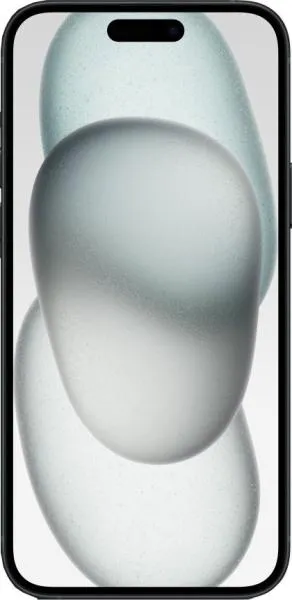
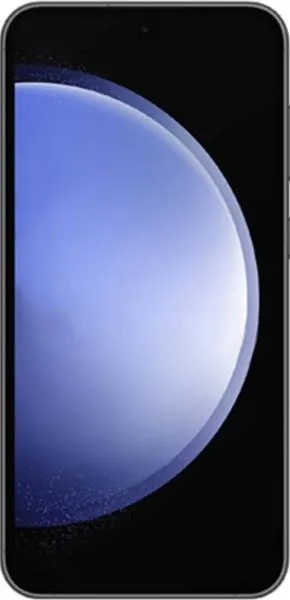
| Feature | Apple iPhone 15 Plus | Samsung Galaxy S23 FE | Practical Impact |
|---|---|---|---|
| Design | |||
| Dimensions | 160.9 x 77.8 x 7.8 mm | 158 x 76.5 x 8.2 mm | S23 FE slightly shorter, narrower, but thicker. Negligible difference in hand feel. |
| Weight | 201g | 209g | S23 FE slightly heavier, but the difference is minimal. |
| Build | Glass front/back, aluminum frame | Glass front/back, aluminum frame | Similar premium build quality expected. |
| Display | |||
| Size | 6.7" | 6.4" | iPhone 15 Plus offers a larger screen for media consumption. |
| Type | Super Retina XDR OLED | Dynamic AMOLED 2X | Both offer excellent color accuracy and deep blacks. |
| Resolution | 1290 x 2796 | 1080 x 2340 | iPhone has a sharper display (460 ppi vs 403 ppi). Noticeable in text clarity and image sharpness. |
| Refresh Rate | Not specified | 120Hz | Higher refresh rate on S23 FE results in smoother scrolling and animations. Missing iPhone refresh rate info limits comparison. |
| Peak Brightness | 2000 nits | 1450 nits | iPhone 15 Plus should be significantly brighter outdoors. |
| Performance | |||
| Chipset | Apple A16 Bionic (4nm) | Exynos 2200 (4nm) | A16 historically outperforms Exynos 2200 in benchmarks. Expect smoother performance and better gaming on the iPhone. |
| CPU | Hexa-core | Octa-core | Core count difference less significant than architecture and per-core performance. A16 likely more powerful. |
| GPU | Apple GPU (5-core) | Xclipse 920 | A16's GPU generally provides superior graphics performance for gaming. |
| RAM | 6GB | 8GB | S23 FE has more RAM, potentially benefiting multitasking, but iOS RAM management is highly optimized. |
| Storage | 256GB/512GB | 256GB | Comparable base storage. iPhone offers a 512GB option. |
| Camera | |||
| Video Capabilities | Up to 4K@60fps, 1080p@240fps | Up to 8K@24fps, 4K@60fps, 1080p@240fps | Both offer excellent video recording options. S23 FE boasts 8K recording, but practical benefits are limited by storage and playback devices. More detail needed on specific camera sensors and lens configurations for comprehensive comparison. |
| Battery | |||
| Capacity | 4383 mAh | 4500 mAh | S23 FE has a slightly larger battery capacity. Real-world battery life depends on software optimization and usage patterns. |
2. Key Differences Analysis
iPhone 15 Plus Advantages:
- Performance: The A16 Bionic chip provides a significant performance advantage.
- Display Sharpness: Higher resolution results in a noticeably sharper display.
- Peak Brightness: Much brighter display for better outdoor visibility.
Samsung Galaxy S23 FE Advantages:
- Higher Refresh Rate: 120Hz display delivers smoother scrolling and animations.
- Larger Battery: Slightly larger battery capacity, potential for longer battery life.
- More RAM: 8GB RAM might offer better multitasking in specific scenarios.
- More Color Options: Wider variety of color choices for personalization.
3. User Profiles & Recommendations
iPhone 15 Plus: Users prioritizing performance, a vibrant and sharp display, and a premium ecosystem. Ideal for demanding tasks, gaming, and media consumption.
Samsung Galaxy S23 FE: Users who value a smooth display experience, longer battery life, and more customization options. Good for everyday use, social media, and light gaming.
4. Decision Framework
Key Questions:
- Performance Priority: Is top-tier processing power crucial for your usage?
- Display Preferences: Do you prioritize sharpness and brightness or smoothness?
- Ecosystem Preference: Are you invested in the Apple or Android ecosystem?
My Choice: iPhone 15 Plus
While the S23 FE offers a 120Hz refresh rate and slightly larger battery, the iPhone 15 Plus's superior performance with the A16 Bionic, significantly brighter and sharper display, and the generally smoother iOS experience are more compelling to me. I prioritize performance and a high-quality display, and the iPhone 15 Plus delivers in these areas. The lack of concrete refresh rate data for the iPhone is a limitation, but historical data suggests it likely operates at 60Hz. Even so, the performance difference would likely outweigh the smoother scrolling for my personal use. Ultimately, this decision reflects my personal priorities, and individual preferences may vary.
