1. Specifications Comparison
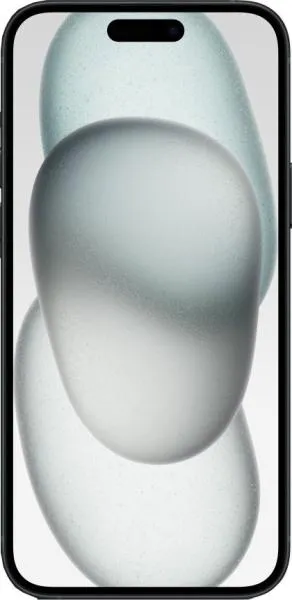
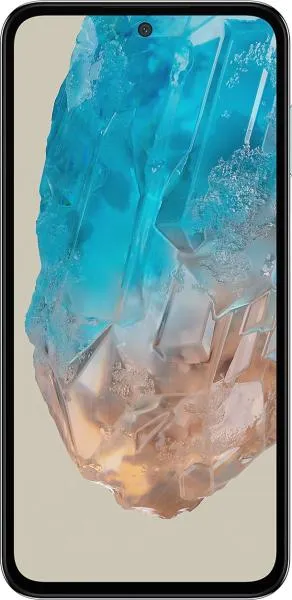
| Feature | Apple iPhone 15 Plus | Samsung Galaxy M35 | Practical Impact |
|---|---|---|---|
| Design | |||
| Dimensions | 160.9 x 77.8 x 7.8 mm | 162.3 x 78.6 x 9.1 mm | The iPhone 15 Plus is slightly smaller and noticeably thinner. |
| Weight | 201g | 222g | The iPhone 15 Plus is lighter, making it more comfortable for extended use. |
| Build Materials | Not specified | Not specified | Build quality and premium feel cannot be assessed without further information. |
| Display | |||
| Display Size | 6.7" | 6.6" | Negligible difference in screen real estate. |
| Display Type | Super Retina XDR OLED | Super AMOLED | Both offer vibrant colors and deep blacks. |
| Resolution | 1290 x 2796 | 1080 x 2340 | The iPhone boasts a significantly sharper display (460 ppi vs 390 ppi), resulting in crisper text and images. |
| Refresh Rate | Not specified | 120Hz | The 120Hz refresh rate on the Galaxy M35 delivers smoother scrolling and animations. The iPhone's refresh rate is not specified but likely 60Hz, making it feel less fluid. |
| Peak Brightness | 2000 nits | 1000 nits | The iPhone 15 Plus gets significantly brighter, ensuring better visibility in direct sunlight. |
| Performance | |||
| Chipset | Apple A16 Bionic (4 nm) | Exynos 1380 (5 nm) | The A16 Bionic is generally considered a more powerful chip, likely leading to better performance in demanding tasks and gaming. |
| CPU | Hexa-core (2x3.46 GHz + 4x2.02 GHz) | Octa-core (4x2.4 GHz + 4x2.0 GHz) | Core count alone doesn't determine performance; architecture and optimization play a significant role. Real-world performance comparisons are needed. |
| GPU | Apple GPU (5-core graphics) | Mali-G68 MP5 | Apple's GPU often outperforms competitors in graphics-intensive tasks. |
| RAM | 6GB | 8GB | The Galaxy M35 has more RAM, potentially allowing for better multitasking. However, iOS often manages RAM more efficiently than Android. |
| Storage | 256GB/512GB | 256GB | Both offer ample storage. |
| Camera | |||
| Video Capabilities | Up to 4K@60fps, 1080p@240fps | Up to 4K@30fps, 720p@480fps | The iPhone 15 Plus offers more versatile video recording options, including higher resolutions and frame rates for slow-motion. |
| Specific Sensor details | Not Specified | Not Specified | Image quality comparison requires more details about sensor size, aperture, and other camera features. |
| Battery | |||
| Capacity | 4383 mAh | 6000 mAh | The Galaxy M35 has significantly larger battery capacity, likely translating to longer battery life. |
2. Key Differences Analysis
iPhone 15 Plus Advantages:
- Superior Display: Sharper resolution and much higher peak brightness.
- Likely Better Performance: A16 Bionic chip generally outperforms Exynos 1380.
- More Versatile Video Recording: Higher resolution and frame rate options.
- Lighter and Thinner Design: More comfortable for one-handed use and portability.
Samsung Galaxy M35 Advantages:
- Higher Refresh Rate: Smoother scrolling and animations with 120Hz.
- Larger Battery: Potentially significantly longer battery life.
- More RAM: May improve multitasking performance.
3. User Profiles & Recommendations
iPhone 15 Plus: Users who prioritize performance, a premium display, a polished operating system (iOS), and a lighter, more compact design. Ideal for demanding tasks, gaming, and content consumption.
Samsung Galaxy M35: Users who prioritize long battery life, smooth scrolling, and a larger screen. Suitable for users who heavily multitask or consume media for extended periods.
4. Decision Framework
Key Questions for Buyers:
- What is your budget? Both are mid-range but actual pricing needs to be considered.
- How important is battery life? If all-day battery is crucial, the Galaxy M35 likely has the edge.
- Do you prioritize performance or display quality? The iPhone likely has a performance edge, while the M35 has a smoother display.
My Choice:
I would choose the iPhone 15 Plus. While the Galaxy M35 offers a larger battery and higher refresh rate, I prioritize the overall performance, sharper display, more versatile video capabilities, and more compact design of the iPhone. The A16 Bionic's superior performance and iOS's optimized ecosystem are crucial for my usage, which involves demanding tasks and content creation. While battery life is important, I'm willing to compromise slightly for the overall better user experience offered by the iPhone 15 Plus. The significantly brighter display is also a compelling factor for outdoor usage. Finally, the more compact and lighter design aligns better with my preference for portability.
