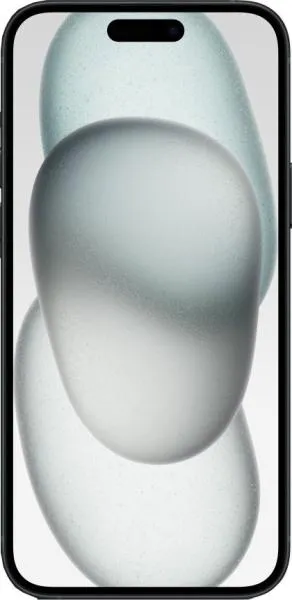
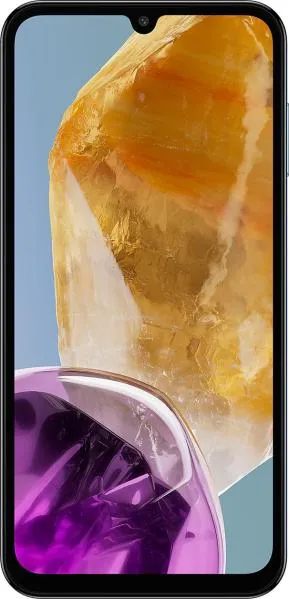
1. Specifications Comparison
| Feature | Apple iPhone 15 Plus | Samsung Galaxy M15 | Practical Impact |
|---|---|---|---|
| Design | |||
| Dimensions | 160.9 x 77.8 x 7.8 mm | 160.1 x 76.8 x 9.3 mm | iPhone 15 Plus is slightly taller, marginally narrower, and significantly thinner. Noticeably more pocketable. |
| Weight | 201g | 217g | iPhone 15 Plus is lighter, reducing hand fatigue during extended use. |
| Build Materials | Not specified | Not specified | Build quality and durability are unclear without material information. |
| Display | |||
| Size | 6.7" | 6.5" | iPhone offers a larger screen for more immersive content consumption. |
| Type | Super Retina XDR OLED | Super AMOLED | Both are high-quality display technologies; expect vibrant colors and deep blacks. Specific differences in color accuracy and outdoor visibility are unknown without further testing. |
| Resolution | 1290 x 2796 | 1080 x 2340 | iPhone has a significantly sharper display (460 ppi vs 396 ppi), resulting in crisper text and images. |
| Refresh Rate | Not specified (Likely 60Hz) | 90Hz | The 90Hz refresh rate on the Galaxy M15 will provide smoother scrolling and animations, leading to a more fluid user experience. |
| Peak Brightness | 2000 nits | 800 nits (HBM) | The iPhone 15 Plus offers far superior peak brightness, ensuring excellent outdoor visibility even in direct sunlight. |
| Performance | |||
| Chipset | Apple A16 Bionic (4 nm) | Mediatek Dimensity 6100+ (6 nm) | A16 is a flagship-level chip known for exceptional performance; Dimensity 6100+ targets mid-range performance. Expect significantly faster processing speeds and smoother multitasking on the iPhone. |
| CPU | Hexa-core (2x3.46 GHz + 4x2.02 GHz) | Octa-core (2x2.2 GHz + 6x2.0 GHz) | Core count and clock speed differences suggest the A16 will outperform the Dimensity 6100+ in demanding tasks. |
| GPU | Apple GPU (5-core) | Mali-G57 MC2 | A16's GPU is expected to provide significantly better gaming and graphics performance compared to the Mali-G57 MC2. |
| RAM | 6GB | 6GB | RAM is equal, but the superior processing power of the iPhone will likely result in better real-world multitasking performance. |
| Battery | |||
| Capacity | 4383 mAh | 6000 mAh | The Galaxy M15 has a much larger battery capacity, potentially offering significantly longer battery life. |
| Camera | |||
| Video Capabilities | Up to 4K@60fps (HDR), 1080p@240fps (HDR) | 1080p@30fps (EIS) | iPhone offers significantly higher resolution and frame rate video recording, along with HDR support. Slow-motion recording is also vastly superior on the iPhone. Details on photo capabilities are missing for comparison. |
| Other | |||
| OS | iOS 17 | Android 14 | Offers different user experiences and app ecosystems. Personal preference plays a significant role here. |
| Storage | 256GB/512GB | 128GB | The iPhone offers more storage options for users with high media consumption needs. |
2. Key Differences Analysis
iPhone 15 Plus Advantages:
- Significantly higher performance: The A16 Bionic chip provides a substantial advantage in speed and graphics processing.
- Sharper, brighter display: Higher resolution and peak brightness result in a superior visual experience.
- Superior video recording capabilities: Offers higher resolution, frame rates, and HDR support.
- Premium Design: Thinner and lighter build contributes to a more premium feel.
Samsung Galaxy M15 Advantages:
- Larger Battery Capacity: Potentially significantly longer battery life.
- Higher Refresh Rate Display: Smoother scrolling and animations for a more fluid user experience.
- Potentially Lower Price: While both are in the "medium price" range, specific pricing is missing for accurate comparison.
3. User Profiles & Recommendations
iPhone 15 Plus: Users who prioritize performance, premium design, a vibrant display, and excellent camera capabilities. Ideal for demanding tasks, gaming, content creation, and media consumption.
Samsung Galaxy M15: Users who prioritize battery life and a smooth display experience above all else. Suitable for users with moderate performance needs who value all-day battery life.
4. Decision Framework
Key Questions:
- What is your budget? Actual pricing is crucial for a final decision.
- What are your primary use cases? (e.g., Gaming, photography, social media, general use)
- Which operating system do you prefer? (iOS or Android)
My Choice: iPhone 15 Plus
While the Samsung Galaxy M15 boasts impressive battery life and a 90Hz display, the iPhone 15 Plus's superior performance, brighter and sharper display, vastly superior video recording capabilities, and premium design are more compelling to me. I prioritize a smooth and responsive user experience, especially for demanding tasks and gaming, and the A16 Bionic chip delivers exactly that. The significantly brighter display ensures excellent outdoor visibility, a feature I value greatly. While battery life is important, I find the performance and overall user experience offered by the iPhone 15 Plus to be worth the potential trade-off in battery endurance. The lack of detailed camera specifications for the Galaxy M15 makes a complete comparison difficult, but the iPhone's clear advantage in video recording capabilities is a significant factor in my decision. Ultimately, the iPhone 15 Plus offers a more well-rounded package that aligns better with my personal preferences and usage patterns.
