
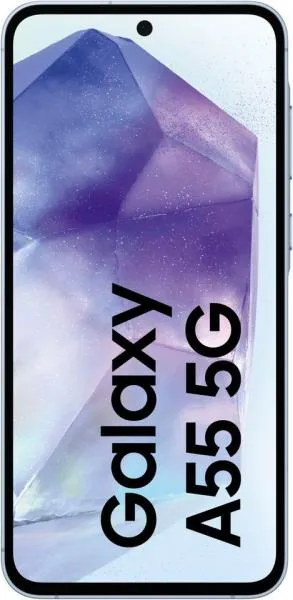
1. Specifications Comparison
| Feature | Apple iPhone 15 Plus | Samsung Galaxy A55 | Practical Impact |
|---|---|---|---|
| Design | |||
| Dimensions | 160.9 x 77.8 x 7.8 mm | 161.1 x 77.4 x 8.2 mm | Nearly identical in hand feel. A55 slightly thicker. |
| Weight | 201g | 213g | iPhone 15 Plus noticeably lighter for extended use. |
| Build | Missing | Missing | Build quality and materials unknown, impacting durability and premium feel. |
| Display | |||
| Size | 6.7" | 6.6" | Negligible difference in screen real estate. |
| Type | Super Retina XDR OLED | Super AMOLED | Both offer vibrant colors and deep blacks. |
| Resolution | 1290 x 2796 | 1080 x 2340 | iPhone significantly sharper (460 ppi vs 390 ppi), noticeable in text clarity and image detail. |
| Refresh Rate | Missing | 120Hz | Higher refresh rate on A55 results in smoother scrolling and animations. iPhone's refresh rate is unknown but likely 60Hz. |
| Peak Brightness | 2000 nits | 1000 nits | iPhone much brighter outdoors, improving readability in direct sunlight. |
| Performance | |||
| Chipset | Apple A16 Bionic (4 nm) | Exynos 1480 (4 nm) | A16 expected to offer significantly better performance in demanding tasks and gaming based on historical comparisons between Apple and Exynos chips. |
| CPU | Hexa-core (2x3.46 GHz + 4x2.02 GHz) | Octa-core (4x2.75 GHz + 4x2.0 GHz) | Core configurations differ, but A16's architecture and optimization generally lead to superior single and multi-core performance. |
| GPU | Apple GPU (5-core) | Xclipse 530 | A16's GPU likely offers superior graphics performance for gaming and graphically intensive applications. |
| RAM | 6GB | 8GB/12GB | A55 offers more RAM, potentially benefiting multitasking and app switching. However, iOS's memory management often mitigates this advantage. |
| Storage | 256GB/512GB | 256GB | Similar storage options, though iPhone offers a higher 512GB tier. |
| Camera | |||
| Rear Camera | Missing | Missing | No camera specifications provided for comparison. |
| Video | Up to 4K@60fps, 1080p@240fps | Up to 4K@30fps | iPhone offers higher resolution and frame rate video recording, including slow-motion capabilities. |
| Battery | |||
| Capacity | 4383 mAh | 5000 mAh | A55 has a larger battery, potentially offering longer battery life. However, real-world usage depends on software optimization. |
2. Key Differences Analysis
iPhone 15 Plus Advantages:
- Superior Display: Sharper resolution and significantly higher peak brightness for better outdoor visibility.
- Expected Performance Advantage: A16 Bionic chip likely outperforms Exynos 1480 in processing power and graphics.
- More Advanced Video Recording: Higher resolution and frame rate options.
- Lighter Weight: More comfortable for extended use.
Samsung Galaxy A55 Advantages:
- Higher Refresh Rate Display: Smoother scrolling and more fluid animations.
- Larger Battery Capacity: Potential for longer battery life.
- More RAM: Potentially better multitasking, though iOS optimization mitigates this.
3. User Profiles & Recommendations
iPhone 15 Plus: Users prioritizing performance, display quality, a premium mobile experience, and a robust app ecosystem. Ideal for demanding tasks, gaming, content creation, and users who value a bright and sharp screen.
Samsung Galaxy A55: Users looking for a smoother display experience, potentially longer battery life, and a more customizable Android operating system. Suitable for everyday tasks, media consumption, and users sensitive to price differences.
4. Decision Framework
Key Questions:
- Performance Priority: How important is raw processing power and a smooth, high refresh rate display?
- Display Quality: Do you prioritize sharpness and brightness, or smoothness and fluidity?
- Ecosystem Preference: iOS or Android?
Scenario-Based Recommendations:
- Gamer: iPhone 15 Plus for its expected superior performance.
- Outdoor Enthusiast: iPhone 15 Plus for its brighter display.
- Budget-Conscious User: Samsung Galaxy A55, considering its potential longer battery life and lower price point.
My Choice: iPhone 15 Plus
While lacking specific information on camera capabilities and build materials, the iPhone 15 Plus edges out the Galaxy A55 based on the expected superior performance of the A16 Bionic chip, the significantly brighter and sharper display, and the overall refined user experience typically associated with iPhones. The A55's 120Hz refresh rate and larger battery are appealing, but the iPhone's strengths in performance, display quality, and video recording capabilities are more important to me personally. I prioritize a fluid and responsive experience in demanding applications and games, as well as excellent media consumption in various lighting conditions.
