
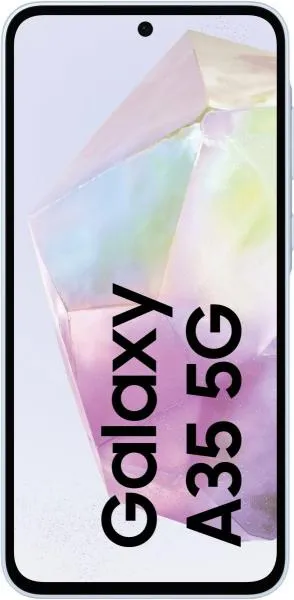
1. Specifications Comparison
| Feature | Apple iPhone 15 Plus | Samsung Galaxy A35 | Practical Impact |
|---|---|---|---|
| Design | |||
| Dimensions | 160.9x77.8x7.8mm | 161.7x78x8.2mm | Virtually identical in size; A35 slightly thicker. Negligible difference in hand feel. |
| Weight | 201g | 209g | A35 slightly heavier, but the difference is minimal in practical use. |
| Build Material | (Unspecified) | (Unspecified) | Build quality and durability cannot be compared without further information. |
| Display | |||
| Size | 6.7" | 6.6" | Negligible size difference. |
| Type | Super Retina XDR OLED | Super AMOLED | Both offer vibrant colors and deep blacks. iPhone likely has a slight advantage in brightness and color accuracy. |
| Resolution | 1290x2796 | 1080x2340 | iPhone has a sharper display (460 ppi vs 390 ppi), noticeable in text clarity and image detail. |
| Refresh Rate | (Unspecified) | 120Hz | 120Hz on the A35 provides smoother scrolling and animations, resulting in a more fluid user experience. |
| Peak Brightness | 2000 nits | (Unspecified) | iPhone's higher peak brightness ensures better visibility in direct sunlight. |
| Performance | |||
| Chipset | A16 Bionic (4 nm) | Exynos 1380 (5 nm) | A16 is significantly more powerful, resulting in faster app launches, smoother multitasking, and better gaming performance. |
| CPU | Hexa-core | Octa-core | Core count alone doesn't determine performance; A16's architecture and individual core performance are superior. |
| GPU | Apple GPU (5-core) | Mali-G68 MP5 | A16's GPU offers a significant performance advantage for graphically demanding tasks and games. |
| RAM | 6GB | 8GB | While A35 has more RAM, iOS's memory management often allows iPhones to perform efficiently with less RAM. |
| Storage | 256/512GB | 128/256GB | Both offer ample storage; iPhone offers a larger 512GB option. |
| Battery | |||
| Capacity | 4383 mAh | 5000 mAh | A35 has a larger battery capacity, potentially leading to longer battery life. Real-world usage will vary. |
| Other | |||
| OS | iOS 17 | Android 14 | OS preference is subjective; each offers distinct features and ecosystems. |
| Video Capabilities | Up to 4K@60fps HDR | Up to 4K@30fps EIS | iPhone offers higher resolution and frame rate video recording with HDR. |
| Sensors | Face ID, ... | Fingerprint, ... | Biometric authentication options differ; user preference dependent. iPhone has additional sensors like Barometer. |
2. Key Differences Analysis
iPhone 15 Plus Advantages:
- Significantly higher performance: A16 Bionic chip offers a substantial advantage in speed and graphics.
- Sharper display: Higher resolution and peak brightness result in a more detailed and vibrant viewing experience.
- Superior video recording capabilities: Higher resolution, frame rates, and HDR support.
Samsung Galaxy A35 Advantages:
- Higher refresh rate display: 120Hz offers a smoother and more responsive user experience.
- Larger battery capacity: Potentially longer battery life.
- Potentially Lower Price: While both are mid-range, Samsung A series tends to be more aggressively priced.
3. User Profiles & Recommendations
iPhone 15 Plus: Users who prioritize performance, a premium display, and a seamless ecosystem. Ideal for demanding tasks, gaming, and content creation.
Samsung Galaxy A35: Users who prioritize a smooth display, long battery life, and a customizable Android experience. Suitable for everyday use, social media, and light gaming. More budget conscious consumers.
4. Decision Framework
Key Questions:
- What is your budget? Consider the overall price and value proposition of each device.
- What is your priority: Performance or Battery Life/Smooth Display? The iPhone prioritizes the former, the A35 the latter.
- Which operating system do you prefer? iOS and Android offer distinct experiences.
My Choice: iPhone 15 Plus
While the Samsung Galaxy A35 offers a compelling combination of features like a 120Hz display and a larger battery, the significant performance advantage of the iPhone 15 Plus is the deciding factor for me. The A16 Bionic chip ensures a future-proof device capable of handling demanding tasks and providing a smoother overall experience for years to come. The sharper display and superior video recording capabilities further solidify the iPhone's appeal. While battery life is a consideration, I prioritize the overall performance and quality of the user experience, and I'm willing to manage battery life accordingly. Finally, I personally prefer the Apple ecosystem.
