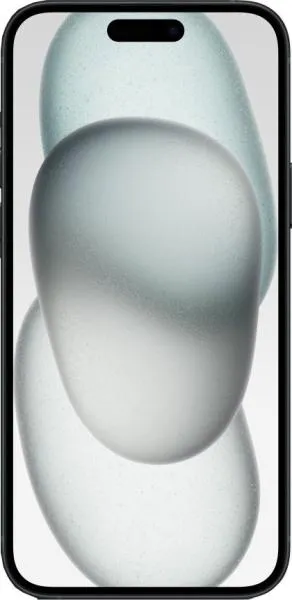
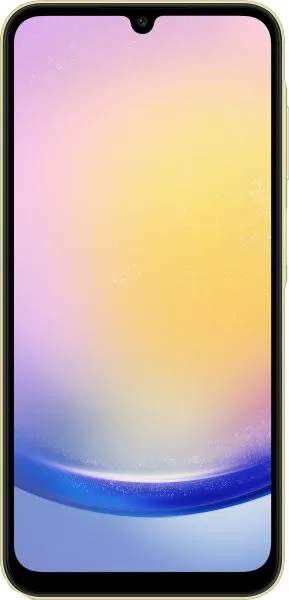
1. Specifications Comparison
| Feature | Apple iPhone 15 Plus | Samsung Galaxy A15 5G | Practical Impact |
|---|---|---|---|
| Design | |||
| Dimensions | 160.9 x 77.8 x 7.8 mm | 160.1 x 76.8 x 8.4 mm | Virtually identical in hand feel. A15 slightly thicker. |
| Weight | 201g | 200g | Negligible weight difference. |
| Build | Not specified | Not specified | Build quality and materials unknown, impacting durability and premium feel. |
| Display | |||
| Size | 6.7" | 6.5" | iPhone offers a slightly larger viewing area. |
| Type | Super Retina XDR OLED | Super AMOLED | Both offer vibrant colors and deep blacks. |
| Resolution | 1290 x 2796 | 1080 x 2340 | iPhone has a significantly sharper display (460 ppi vs 396 ppi), resulting in crisper text and images. |
| Refresh Rate | Not specified | 90Hz | Higher refresh rate on the A15 results in smoother scrolling and animations. iPhone refresh rate unknown, but likely 60Hz. |
| Peak Brightness | 2000 nits | 800 nits (HBM) | iPhone's display will be significantly brighter and more visible in direct sunlight. |
| Performance | |||
| Chipset | Apple A16 Bionic (4 nm) | Mediatek Dimensity 6100+ (6 nm) | A16 is a flagship-level chip known for exceptional performance and efficiency. Dimensity 6100+ targets mid-range performance. Expect significant differences in demanding tasks and gaming. |
| CPU | Hexa-core (2x3.46 GHz + 4x2.02 GHz) | Octa-core (2x2.2 GHz + 6x2.0 GHz) | Core count less important than architecture. A16's performance cores are significantly faster. |
| GPU | Apple GPU (5-core) | Mali-G57 MC2 | A16's GPU offers considerably better graphics performance for gaming and demanding applications. |
| RAM | 6GB | 6GB/8GB | RAM amount similar, but A16's memory management is generally more efficient. |
| Storage | 256GB/512GB | 128GB/256GB | iPhone offers a higher base storage option. |
| Camera | |||
| Rear Camera | Not specified | Not specified | Camera specifications missing, making detailed comparison impossible. |
| Video | Up to 4K@60fps (HDR), 1080p@240fps (HDR) | 1080p@30fps (EIS) | iPhone offers superior video recording capabilities with higher resolution, frame rates, and HDR support. |
| Battery | |||
| Capacity | 4383 mAh | 5000 mAh | A15 has a larger battery capacity. However, real-world battery life depends on optimization and usage patterns. |
2. Key Differences Analysis
iPhone 15 Plus Advantages:
- Significantly more powerful: The A16 Bionic chip offers superior performance in all aspects.
- Sharper and brighter display: Higher resolution and peak brightness enhance visual experience.
- Superior video recording: More resolution and frame rate options, along with HDR.
- Potentially better software support: Apple's iOS ecosystem generally provides longer software updates.
Samsung Galaxy A15 5G Advantages:
- Larger battery capacity: Potentially longer battery life, though real-world usage will vary.
- Higher refresh rate display: Smoother scrolling and animations.
- Lower starting price: Likely more affordable, especially considering the 128GB option.
3. User Profiles & Recommendations
iPhone 15 Plus: Users who prioritize performance, a premium display, and a robust app ecosystem. Ideal for demanding tasks, gaming, and content creation.
Samsung Galaxy A15 5G: Budget-conscious users who prioritize battery life and a smooth display. Suitable for everyday tasks, social media, and light gaming. Good for users who prefer the Android ecosystem.
4. Decision Framework
Key Questions for Buyers:
- What is your budget? The iPhone 15 Plus is positioned in a higher price bracket.
- What are your performance needs? For demanding tasks and gaming, the iPhone 15 Plus is significantly better.
- Which operating system do you prefer? iOS and Android offer different experiences and app ecosystems.
My Choice: Apple iPhone 15 Plus
While lacking specific camera details and concrete battery life comparisons, the iPhone 15 Plus is the clear winner for me. The A16 Bionic's significant performance advantage, coupled with the superior display quality (sharpness and brightness), makes it a compelling device. Although the A15 5G boasts a larger battery and higher refresh rate, these advantages don't outweigh the iPhone's strengths in crucial areas like processing power and overall user experience. I prioritize a fluid and responsive phone for demanding tasks and content consumption, and the iPhone 15 Plus is better equipped to deliver that. While the A15 5G offers a good value proposition for budget-conscious buyers, the iPhone's long-term performance and ecosystem make it a worthwhile investment for my needs.
