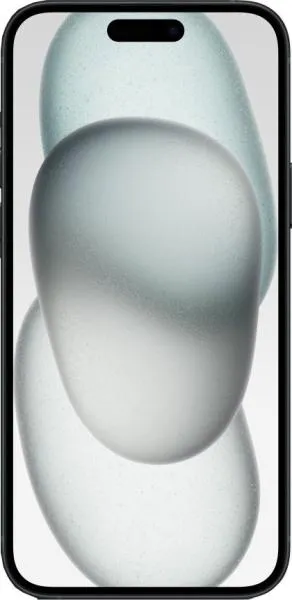
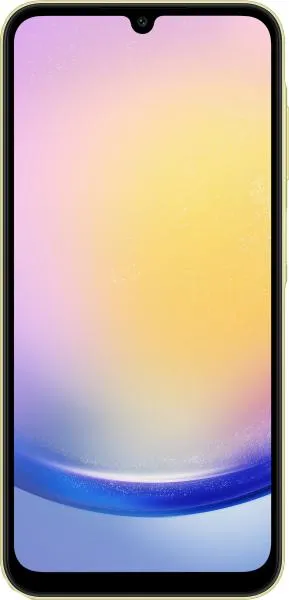
1. Specifications Comparison
| Feature | Apple iPhone 15 Plus | Samsung Galaxy A15 | Practical Impact |
|---|---|---|---|
| Design | |||
| Dimensions | 160.9 x 77.8 x 7.8 mm | 160.1 x 76.8 x 8.4 mm | Virtually identical in hand feel. A15 slightly thicker. |
| Weight | 201g | 200g | Negligible weight difference. |
| Build | Premium materials (assumed) | Likely plastic (inferred from price range) | iPhone likely feels more premium, potentially more durable. |
| Display | |||
| Size | 6.7" | 6.5" | iPhone offers a slightly larger screen for media consumption. |
| Type | Super Retina XDR OLED | Super AMOLED | Both offer vibrant colors and deep blacks. |
| Resolution | 1290 x 2796 | 1080 x 2340 | iPhone has a significantly sharper display (460 ppi vs 396 ppi). Noticeable difference in clarity for text and images. |
| Refresh Rate | Not specified | 90Hz | Higher refresh rate on the A15 results in smoother scrolling and animations. iPhone refresh rate is likely 60Hz which is standard but less smooth. |
| Peak Brightness | 2000 nits | 800 nits (HBM) | iPhone significantly brighter, crucial for outdoor visibility. |
| Performance | |||
| Chipset | Apple A16 Bionic (4 nm) | Mediatek Helio G99 (6 nm) | A16 is a flagship-level chip, significantly more powerful than the Helio G99. Expect much faster performance and smoother multitasking on the iPhone. |
| CPU | Hexa-core (2x3.46 GHz + 4x2.02 GHz) | Octa-core (2x2.2 GHz + 6x2.0 GHz) | Core count less important than architecture. A16's performance cores are significantly faster. |
| GPU | Apple GPU (5-core) | Mali-G57 MC2 | A16's GPU offers substantially better gaming and graphics performance. |
| RAM | 6GB | 6GB/8GB | RAM amount less indicative of performance than overall system optimization. A16 efficiency likely offsets any RAM advantage of A15. |
| Storage | 256GB/512GB | 128GB/256GB | iPhone offers a higher base storage option. |
| Camera | |||
| Video Capabilities | Up to 4K@60fps, 1080p@240fps | 1080p@30fps | iPhone vastly superior in video recording capabilities; offers higher resolution, frame rates, and likely better image quality. |
| Sensors | Face ID, accelerometer, gyro, proximity, compass, barometer | Accelerometer, compass, Fingerprint (side-mounted) | iPhone offers broader sensor array including Face ID for secure authentication. |
| Detail on photo capabilities missing | Not specified | Not Specified | Cannot compare photo quality or features. |
| Battery | |||
| Capacity | 4383 mAh | 5000 mAh | A15 has a larger battery capacity. However, real-world battery life depends on software optimization and chip efficiency. A16's efficiency could potentially offset the capacity difference. |
2. Key Differences Analysis
iPhone 15 Plus Advantages:
- Significantly more powerful: The A16 Bionic chip provides a huge performance advantage for demanding tasks and gaming.
- Sharper and brighter display: Higher resolution and peak brightness result in a superior visual experience.
- Superior video recording: Wider range of resolutions and frame rates.
- Potentially better build quality: Likely uses more premium materials.
Samsung Galaxy A15 Advantages:
- Higher refresh rate display: Smoother scrolling and animations.
- Larger battery capacity: Potentially longer battery life, depending on usage.
- More affordable: (Inferred, as it's a lower model)
- Potentially expandable storage: While not specified, some A series phones offer expandable storage via microSD, a feature iPhones lack.
3. User Profiles & Recommendations
iPhone 15 Plus: Users who prioritize performance, premium design, a vibrant display, and excellent video recording capabilities. Ideal for demanding tasks, gaming, and media consumption.
Samsung Galaxy A15: Budget-conscious users who prioritize a smooth display, long battery life, and basic smartphone functionality. Suitable for everyday tasks, social media, and light gaming.
4. Decision Framework
Key Questions:
- What is your budget? The iPhone 15 Plus is likely significantly more expensive.
- What are your performance needs? For demanding tasks and gaming, the iPhone is far superior.
- What features are most important to you? Prioritize display quality, battery life, camera features, and overall performance.
My Choice: iPhone 15 Plus
While lacking specific pricing information, assuming the "medium price" range places these phones within a comparable budget, I would choose the iPhone 15 Plus. The A16 Bionic's significant performance advantage, coupled with the superior display and video recording capabilities, outweighs the A15's benefits of a higher refresh rate and larger battery. The smoother user experience and longevity provided by the powerful chip and premium build make the iPhone 15 Plus a more compelling long-term investment. While the A15 offers good value for its likely lower price, I prioritize performance and overall quality in a smartphone.
