1. Specifications Comparison
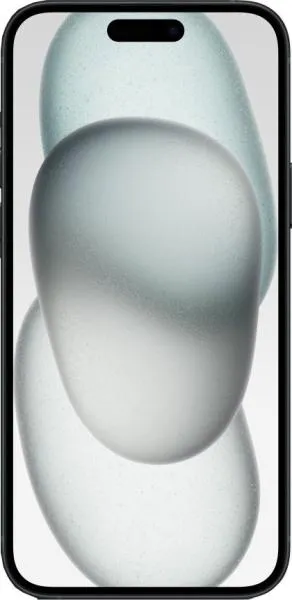
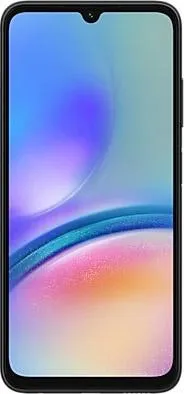
| Feature | Apple iPhone 15 Plus | Samsung Galaxy A05s | Practical Impact |
|---|---|---|---|
| Design | |||
| Dimensions | 160.9 x 77.8 x 7.8 mm | 168 x 77.8 x 8.8 mm | iPhone 15 Plus is slightly shorter and noticeably thinner. |
| Weight | 201g | 194g | Negligible weight difference in practical use. |
| Build | Not specified, assumed glass and aluminum | Not specified, assumed plastic | Material differences impact perceived quality and durability; glass generally feels more premium but is more fragile. |
| Display | |||
| Display Type | Super Retina XDR OLED | PLS LCD | iPhone's OLED offers significantly better contrast, deeper blacks, and wider viewing angles, resulting in a superior visual experience. |
| Size | 6.7 inches | 6.7 inches | Same screen size. |
| Resolution | 1290 x 2796 (460 ppi) | 1080 x 2400 (393 ppi) | iPhone has a much sharper display due to higher resolution and pixel density, leading to clearer text and images. |
| Refresh Rate | Not specified | 90Hz | Higher refresh rate on the A05s results in smoother scrolling and animations, making the user interface feel more responsive. iPhone's refresh rate is likely 60Hz, which is standard but less fluid. |
| Peak Brightness | 2000 nits | Not specified | iPhone's significantly higher peak brightness ensures better visibility in direct sunlight. |
| Performance | |||
| Chipset | Apple A16 Bionic (4 nm) | Qualcomm Snapdragon 680 4G (6 nm) | A16 is a flagship chipset, significantly more powerful than the mid-range Snapdragon 680. Expect much faster performance in demanding tasks and games on the iPhone. |
| CPU | Hexa-core (2x3.46 GHz + 4x2.02 GHz) | Octa-core (4x2.4 GHz + 4x1.9 GHz) | Core count alone isn't indicative of performance. A16's architecture and higher clock speeds will deliver superior performance. |
| GPU | Apple GPU (5-core) | Adreno 610 | iPhone's GPU will provide a significantly better gaming experience and handle graphics-intensive tasks more smoothly. |
| RAM | 6GB | 4GB/6GB | While both offer ample RAM for everyday tasks, the iPhone 15 Plus with its powerful processor will handle multitasking more efficiently. |
| Storage | 256GB/512GB | 128GB | iPhone offers larger storage options. |
| Battery | |||
| Capacity | 4383 mAh | 5000 mAh | While the A05s has a larger battery capacity, the iPhone 15 Plus's more power-efficient chip could result in comparable or even better battery life. Real-world usage will vary. |
| Camera | |||
| Video Capabilities | Up to 4K@60fps, 1080p@240fps | 1080p@60fps | iPhone offers significantly better video recording capabilities, including higher resolution and frame rates, along with HDR. Detailed camera specifications are missing for meaningful comparison beyond video. |
| Other | |||
| OS | iOS 17 | Android 13 | Different operating systems cater to different preferences. iOS is known for its simplicity and ease of use, while Android offers more customization options. |
| Sensors | Face ID, accelerometer, gyro, proximity, compass, barometer | accelerometer, proximity, Fingerprint (side-mounted) | iPhone offers more comprehensive sensor data, potentially enabling more features and functionalities. Notable is the inclusion of Face ID for biometric authentication. |
2. Key Differences Analysis
iPhone 15 Plus Advantages:
- Significantly more powerful: The A16 Bionic chip offers a massive performance advantage for demanding tasks, gaming, and future-proofing.
- Superior display: OLED technology provides richer colors, deeper blacks, and higher brightness. Sharper resolution delivers crisper visuals.
- More advanced video recording: Higher resolution, frame rate, and HDR support enable professional-grade video capture.
- Premium design and build: While not explicitly stated, iPhones generally utilize higher-quality materials.
Samsung Galaxy A05s Advantages:
- Larger battery capacity: Potentially longer battery life, though real-world usage depends on optimization.
- Higher refresh rate: Smoother scrolling and animations for a more responsive user interface.
- Lower price: While both are mid-range, the A05s is likely more affordable.
- Expandable Storage: Offers expandable storage options via microSD card (not explicitly mentioned, but common in A series).
3. User Profiles & Recommendations
iPhone 15 Plus: Users who prioritize performance, a premium display, high-quality camera, and a seamless user experience. Ideal for demanding tasks, gaming, content creation, and those invested in the Apple ecosystem.
Samsung Galaxy A05s: Budget-conscious users who prioritize battery life and a smooth display. Suitable for everyday tasks like browsing, social media, and casual gaming. Good for users who prefer Android's flexibility and customization options.
4. Decision Framework
Key Questions:
- What is your budget? The iPhone 15 Plus will be significantly more expensive.
- What are your primary use cases? Demanding tasks and gaming benefit greatly from the iPhone's superior performance.
- Which operating system do you prefer? iOS and Android offer distinct experiences.
Scenario-Based Recommendations:
- Heavy user: If you need a powerful phone for demanding tasks, gaming, or content creation, the iPhone 15 Plus is the clear choice.
- Casual user on a budget: The Samsung Galaxy A05s offers good value for everyday tasks and a smooth display experience without breaking the bank.
My Choice: Apple iPhone 15 Plus
While the Samsung Galaxy A05s offers a larger battery and smoother scrolling, the iPhone 15 Plus's significant advantages in performance, display quality, and camera capabilities make it the superior choice for me. I value a responsive and future-proof device that can handle demanding tasks and provide a premium user experience. The A16 Bionic chip ensures longevity and smooth performance for years to come, and the superior display and camera are essential for my usage. Although the price difference is significant, the long-term value and overall experience offered by the iPhone 15 Plus outweigh the cost. I also prefer the iOS ecosystem.
