
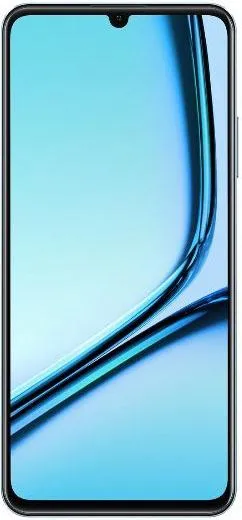
1. Specifications Comparison
| Feature | Apple iPhone 15 Plus | Realme Note 50 | Practical Impact |
|---|---|---|---|
| Design | |||
| Dimensions | 160.9 x 77.8 x 7.8 mm | 167.2 x 76.7 x 8 mm | iPhone 15 Plus is slightly shorter and thinner. Negligible difference in hand feel. |
| Weight | 201g | 186g | iPhone 15 Plus is noticeably heavier. |
| Build | (Unspecified) | (Unspecified) | Build materials impact durability and premium feel. Information is missing for both phones. |
| Display | |||
| Display Type | Super Retina XDR OLED | IPS LCD | iPhone's OLED offers significantly better contrast, deeper blacks, and wider viewing angles, resulting in a superior visual experience. |
| Size | 6.7" | 6.74" | Virtually identical screen sizes. |
| Resolution | 1290 x 2796 | 720 x 1600 | iPhone has a much sharper display (460 ppi vs 260 ppi). Text, images, and videos will be significantly clearer and more detailed on the iPhone. |
| Refresh Rate | (Unspecified, assumed 60Hz based on previous models) | 90Hz | Realme offers smoother scrolling and animations thanks to the higher refresh rate. |
| Peak Brightness | 2000 nits | 560 nits | iPhone's display will be far more visible in direct sunlight. |
| Performance | |||
| Chipset | Apple A16 Bionic (4 nm) | Unisoc Tiger T612 (12 nm) | A16 is significantly more powerful, enabling much faster performance in demanding tasks, smoother multitasking, and better gaming capabilities. |
| CPU | Hexa-core (2x3.46 GHz + 4x2.02 GHz) | Octa-core (2x1.8 GHz + 6x1.8 GHz) | iPhone's CPU offers superior single-core and multi-core performance leading to a more responsive user experience. |
| GPU | Apple GPU (5-core) | Mali-G57 | iPhone's GPU provides a substantially better gaming and graphics-intensive application experience. |
| RAM | 6GB | 4GB | More RAM on the iPhone allows for smoother multitasking and less frequent app reloading. |
| Storage | 256GB/512GB | 128GB | iPhone offers more storage options for users with large media libraries. |
| Camera | |||
| Video Capabilities | Up to 4K@60fps (HDR), 1080p@240fps | 1080p@30fps | iPhone offers significantly higher resolution and frame rate video recording capabilities, including slow-motion. Detailed camera specifications (sensor size, aperture) are missing for comparison. |
| Battery | |||
| Capacity | 4383 mAh | 5000 mAh | Realme has a larger battery capacity, potentially offering longer battery life. However, real-world battery life depends on various factors, including software optimization and display efficiency. |
2. Key Differences Analysis
iPhone 15 Plus Advantages:
- Significantly superior display: OLED technology, higher resolution, and much higher peak brightness.
- Much faster performance: A16 Bionic chip offers a substantial performance advantage.
- More advanced video recording: Higher resolution and frame rates.
- Premium operating system: iOS is known for its smooth performance and timely updates.
Realme Note 50 Advantages:
- Larger battery capacity: Potentially longer battery life.
- Higher refresh rate display: Smoother scrolling and animations.
- Lower price: Significantly more affordable.
3. User Profiles & Recommendations
iPhone 15 Plus Ideal User: Users who prioritize performance, display quality, premium design, a robust app ecosystem, and consistent software updates. Suitable for demanding tasks, gaming, content creation, and media consumption.
Realme Note 50 Ideal User: Budget-conscious users who prioritize basic functionality, long battery life, and a large screen. Suitable for everyday tasks like web browsing, social media, and casual gaming.
4. Decision Framework
Key Questions:
- What is your budget? The iPhone 15 Plus is significantly more expensive.
- What are your performance requirements? For demanding tasks and gaming, the iPhone 15 Plus is far superior.
- How important is display quality? The iPhone's OLED display offers a vastly better visual experience.
My Choice: Apple iPhone 15 Plus
While the Realme Note 50 offers a larger battery and a smoother refresh rate at a lower price, the iPhone 15 Plus's superior performance, stunning display, and robust ecosystem are far more compelling to me. The A16 Bionic chip ensures a smooth and responsive experience for years to come, and the OLED display is a significant upgrade over the Realme's LCD. I prioritize these aspects over a slightly larger battery and a higher refresh rate. The long-term value and superior user experience offered by the iPhone 15 Plus outweigh the price difference. The significantly sharper resolution alone is a major deciding factor for me, as I value clear and detailed visuals. Furthermore, the more powerful chip ensures future-proofing and better performance in demanding applications and games.
