
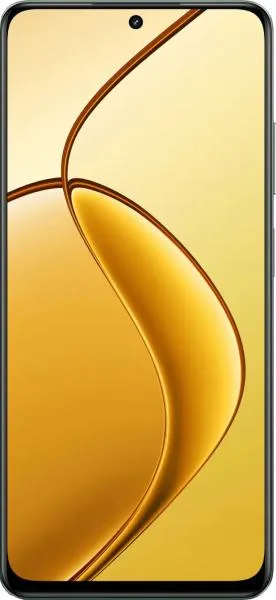
1. Specifications Comparison
| Feature | Apple iPhone 15 Plus | Realme 12x | Practical Impact |
|---|---|---|---|
| Design | |||
| Dimensions | 160.9 x 77.8 x 7.8 mm | 165.6 x 76.1 x 7.9 mm | Realme 12x is slightly taller and wider. Negligible difference in thickness. |
| Weight | 201g | 190g | iPhone 15 Plus is slightly heavier. |
| Build Materials | Not specified | Not specified | Cannot compare build quality and feel. |
| Display | |||
| Display Type | Super Retina XDR OLED | IPS LCD | iPhone's OLED offers significantly better contrast, deeper blacks, and wider viewing angles. |
| Size | 6.7" | 6.67" | Negligible difference in screen size. |
| Resolution | 1290 x 2796 | 720 x 1604 | iPhone has a much sharper display (460 ppi vs 264 ppi), resulting in clearer text and images. |
| Refresh Rate | Not specified, likely 60Hz | 120Hz | Realme 12x will offer smoother scrolling and animations due to the higher refresh rate. |
| Peak Brightness | 2000 nits | 625 nits (HBM) | iPhone gets significantly brighter, making it much more usable in direct sunlight. |
| Performance | |||
| Chipset | Apple A16 Bionic (4 nm) | Mediatek Dimensity 6100+ (6 nm) | A16 Bionic is expected to offer significantly better performance in demanding tasks and gaming. |
| CPU | Hexa-core | Octa-core | Core count doesn't directly translate to performance; A16's architecture is more powerful. |
| GPU | Apple GPU (5-core) | Mali-G57 MC2 | A16's GPU offers superior graphics performance for gaming and other visually intensive tasks. |
| RAM | 6GB | 8GB | While Realme has more RAM, iOS's memory management makes this difference less significant in real-world use. |
| Storage | 256/512 GB | 256GB | Comparable storage options. |
| Camera | |||
| Rear Camera | Not specified | Not specified | Cannot compare camera quality and features. |
| Video | Up to 4K@60fps, 1080p@240fps | 1080p@30fps | iPhone offers significantly higher resolution and frame rate video recording capabilities. |
| Battery | |||
| Capacity | 4383 mAh | 5000 mAh | Realme 12x has a larger battery capacity, potentially offering longer battery life. However, real-world usage will depend on software optimization. |
| Software | |||
| OS | iOS 17 | Android 14 | Different operating systems cater to different user preferences and ecosystems. |
| Other | |||
| Price Range | Medium | Medium | Both phones fall in a similar price bracket. |
2. Key Differences Analysis
iPhone 15 Plus Advantages:
- Superior Display: Significantly sharper, brighter, and with better color reproduction due to OLED technology.
- Significantly Better Performance: A16 Bionic chip offers a substantial performance advantage for demanding tasks and gaming.
- Higher Quality Video Recording: More versatile and higher quality video recording options.
Realme 12x Advantages:
- Higher Refresh Rate Display: Smoother scrolling and animations.
- Larger Battery Capacity: Potentially longer battery life.
- Potentially Lower Price: While both are in the "medium" range, Realme devices often undercut Apple in price.
3. User Profiles & Recommendations
iPhone 15 Plus: Users prioritizing performance, display quality, premium build (assumed based on Apple's history), and a seamless ecosystem integration. Ideal for demanding tasks, content creation, and gaming.
Realme 12x: Users prioritizing affordability, smooth display scrolling, and long battery life. Suitable for everyday tasks, media consumption, and light gaming.
4. Decision Framework
Key Questions:
- What is your budget? While both are "medium" priced, the specific price difference could be significant.
- What is your priority: performance and display or battery life and affordability?
- Which operating system do you prefer: iOS or Android?
Scenario-Based Recommendations:
- Limited Budget/Casual User: Realme 12x might be a better value proposition.
- Power User/Content Creator: iPhone 15 Plus is the clear choice.
My Choice: Apple iPhone 15 Plus
While the Realme 12x offers a larger battery and higher refresh rate display, the iPhone 15 Plus's significantly superior display quality, processing power, and video recording capabilities are more important to me. I prioritize a smooth and responsive user experience for demanding tasks and content consumption, and the A16 Bionic chip delivers that. The significantly brighter and sharper OLED display also enhances the overall user experience greatly. While battery life is important, I'm willing to potentially sacrifice some battery life for the performance and display advantages offered by the iPhone. Furthermore, I value the robust app ecosystem and long-term software support typically associated with Apple products.
