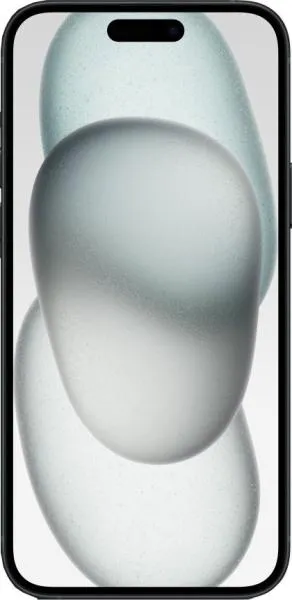
1. Specifications Comparison
| Feature | Apple iPhone 15 Plus | 8 | Practical Impact |
|---|---|---|---|
| Design | |||
| Dimensions | 160.9x77.8x7.8mm | 162x75.1x8.7mm | iPhone 15 Plus is slightly shorter and narrower, but thinner. The "8" is slightly taller, wider, and thicker. Differences are minimal and unlikely to significantly impact handling. |
| Weight | 201g | 191g | The "8" is noticeably lighter, improving one-handed use and reducing pocket fatigue. |
| Display | |||
| Size | 6.7" | 6.78" | Negligible difference in screen real estate. |
| Type | Super Retina XDR OLED | LTPO AMOLED | Both offer excellent color accuracy and deep blacks. LTPO allows for dynamic refresh rate adjustment, potentially saving battery. |
| Resolution | 1290x2796 | 1264x2780 | Virtually identical pixel density, resulting in sharp visuals on both. |
| Refresh Rate | null (likely 60Hz) | 120Hz | 120Hz on the "8" offers smoother scrolling and animations, improving perceived performance and responsiveness. Missing iPhone 15 Plus refresh rate prevents detailed comparison. |
| Peak Brightness | 2000 nits | 6000 nits | "8" offers significantly higher peak brightness, ensuring better visibility in direct sunlight. |
| Performance | |||
| Chipset | Apple A16 Bionic | Snapdragon 7+ Gen 3 | A16 is expected to offer superior CPU and GPU performance based on historical comparisons. Real-world performance testing needed for definitive answer. |
| CPU | Hexa-core | Octa-core | Core count alone doesn't determine performance. Architectural differences and clock speeds are crucial. A16 likely performs better based on previous generations. |
| GPU | Apple GPU (5-core) | Adreno 732 | Apple's GPUs traditionally excel in graphics performance. Real-world gaming and graphics benchmarks are needed for definitive comparison. |
| RAM | 6GB | 12GB | More RAM on the "8" allows for better multitasking and app retention in the background. |
| Battery | |||
| Capacity | 4383 mAh | 5500 mAh | Significantly larger battery in the "8" likely translates to longer battery life. Real-world usage patterns will influence actual results. |
| Other | |||
| OS | iOS 17 | Android 14 | OS preference is subjective. iOS is known for simplicity and tight integration, while Android offers more customization options. |
| Storage Options | 256/512GB | 512GB | "8" offers more RAM in its base storage option. iPhone offers more storage tier options. |
2. Key Differences Analysis
iPhone 15 Plus Advantages:
- Likely Superior Performance: The A16 Bionic chip historically outperforms Android counterparts in benchmarks.
- Potentially Better Software/Hardware Integration: Apple's tight control over its ecosystem often leads to a more seamless user experience.
"8" Advantages:
- Higher Refresh Rate Display: Smoother and more responsive user experience.
- Significantly Brighter Display: Excellent outdoor visibility.
- Larger Battery: Potentially much longer battery life.
- More RAM: Improved multitasking and background app retention.
3. User Profiles & Recommendations
iPhone 15 Plus: Users prioritizing performance, a polished user experience, and the Apple ecosystem.
"8": Users prioritizing battery life, a smooth display, and potentially more affordable price (depending on final pricing). Power users who need more RAM for multitasking will also prefer the "8".
4. Decision Framework
Key Questions for Buyers:
- Which operating system do you prefer? iOS or Android?
- Is raw performance or battery life more important?
- What is your budget and how much storage do you need?
My Choice: "8"
Reasoning: While the A16 chip in the iPhone 15 Plus likely offers a performance advantage, the "8" provides a compelling combination of features that better suit my needs. The 120Hz display, significantly larger battery, increased RAM for multitasking, and potentially lower price are major advantages. While OS preference is subjective, the flexibility and customization of Android are appealing. The brighter display ensures better outdoor visibility, a crucial factor for me. The "8"'s overall package offers a more well-rounded and future-proof device for my usage. Finally, waiting for benchmark comparisons between the A16 and the Snapdragon 7+ Gen 3 would inform a truly definitive decision, but based on currently available information, the "8" appears to be the stronger contender.
