1. Specifications Comparison
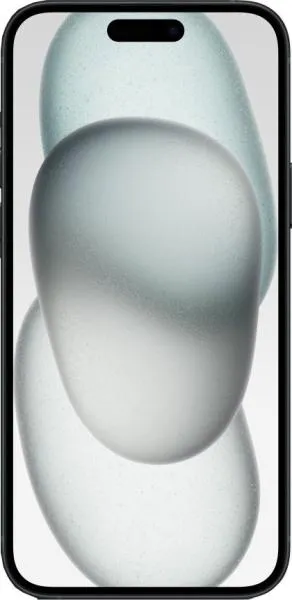
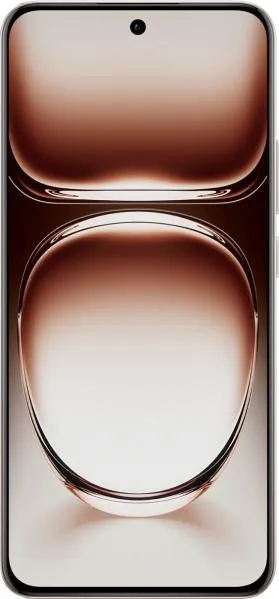
| Feature | Apple iPhone 15 Plus | Oppo Reno12 | Practical Impact |
|---|---|---|---|
| Design | |||
| Dimensions | 160.9 x 77.8 x 7.8 mm | 161.4 x 74.1 x 7.6 mm | Virtually identical in hand feel. Oppo slightly thinner. |
| Weight | 201g | 177g | iPhone noticeably heavier. Oppo more comfortable for extended use. |
| Build | Glass front/back, Aluminum frame | Unspecified | Durability and premium feel may differ depending on Oppo's materials. |
| Display | |||
| Size | 6.7" | 6.7" | Same screen real estate. |
| Type | Super Retina XDR OLED | AMOLED | Both offer vibrant colors and deep blacks. |
| Resolution | 1290 x 2796 | 1080 x 2412 | iPhone significantly sharper (460 ppi vs 394 ppi). Noticeable difference in clarity for text and images. |
| Refresh Rate | Unspecified | 120Hz | Oppo offers smoother scrolling and animations. iPhone refresh rate unknown, but likely 60Hz. |
| Peak Brightness | 2000 nits | 1200 nits | iPhone significantly brighter outdoors. |
| Performance | |||
| Chipset | Apple A16 Bionic (4 nm) | Mediatek Dimensity 7300 Energy (4 nm) | A16 expected to provide significantly better performance in demanding tasks and gaming. |
| CPU | Hexa-core | Octa-core | Core count less important than architecture and clock speed. A16's performance cores are likely faster. |
| GPU | Apple GPU (5-core) | Mali-G615 MC2 | A16's GPU expected to be considerably more powerful for gaming and graphics-intensive applications. |
| RAM | 6GB | 12GB | More RAM on Oppo could improve multitasking, but iOS's memory management might offset this advantage. |
| Storage | 256GB/512GB | 512GB | Comparable storage options. |
| Battery | |||
| Capacity | 4383 mAh | 5000 mAh | Larger battery in the Oppo suggests longer battery life, but real-world usage varies. |
| Camera | |||
| Video Capabilities | Up to 4K@60fps, 1080p@240fps | Up to 4K@30fps, 1080p@960fps | Both offer extensive video features. iPhone better for higher resolution video; Oppo capable of higher frame rate slow-motion. |
| Specific Sensor Details | Missing for both | Missing for both | Cannot compare image quality, low-light performance, or specific camera features without sensor details. |
2. Key Differences Analysis
iPhone 15 Plus Advantages:
- Significantly higher resolution display: Sharper visuals for text, images, and video.
- Much brighter display: Excellent outdoor visibility.
- Expected superior performance: A16 Bionic chip known for its speed and efficiency.
- Potentially better image quality: Apple's image processing is typically strong, but sensor details are needed for confirmation.
Oppo Reno12 Advantages:
- Higher refresh rate display: Smoother animations and scrolling.
- Larger battery: Potential for longer battery life.
- Higher RAM: May improve multitasking performance.
- Lighter weight: More comfortable for extended use.
- Potentially higher frame rate slow-motion video: 960fps vs 240fps on the iPhone.
3. User Profiles & Recommendations
iPhone 15 Plus: Users prioritizing performance, a bright and sharp display, and a premium ecosystem. Ideal for demanding tasks, gaming, and content consumption.
Oppo Reno12: Users prioritizing battery life, a smooth display, and a lighter weight device. Suitable for everyday use, social media, and casual gaming.
4. Decision Framework
Key Questions for Buyers:
- What is your budget? Both are medium priced, but actual price differences may exist.
- What is your priority: performance or battery life?
- How important is display quality (resolution vs refresh rate) to you?
My Choice:
I would choose the iPhone 15 Plus. While the Oppo Reno12 offers a compelling combination of features like a 120Hz display and a larger battery, the significantly superior performance and display sharpness of the iPhone 15 Plus are more important to me. The A16 Bionic chip provides a noticeable difference in everyday use and future-proofs the device better. The sharper display significantly enhances the viewing experience. Although heavier, the weight difference is manageable, and iOS's optimized performance often mitigates the need for extremely high RAM. While battery life is a concern, I prioritize the overall user experience offered by the iPhone's superior performance and display. The lack of detailed camera specifications makes a comprehensive camera comparison impossible, but Apple's track record in image quality instills confidence. Ultimately, my personal preference leans towards a more powerful and responsive device with a visually stunning display.
