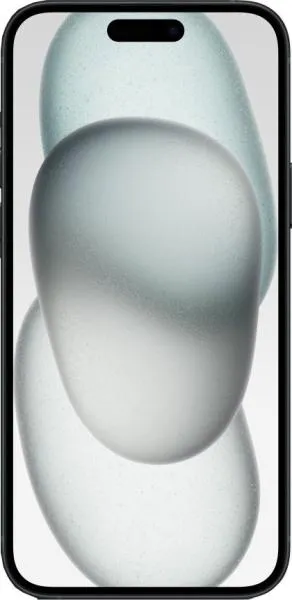
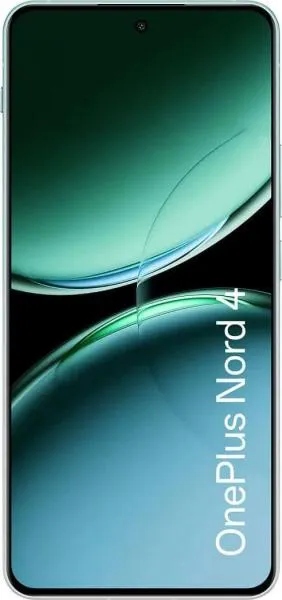
1. Specifications Comparison
| Feature | Apple iPhone 15 Plus | OnePlus Nord 4 | Practical Impact |
|---|---|---|---|
| Design | |||
| Dimensions | 160.9 x 77.8 x 7.8 mm | 162.6 x 75 x 8 mm | OnePlus Nord 4 is slightly taller and thicker but narrower. Negligible difference in hand feel. |
| Weight | 201g | 199.5g | Virtually identical weight. |
| Build | Not specified | Not specified | Build quality cannot be compared without further information. |
| Display | |||
| Size | 6.7" | 6.74" | Negligible difference in screen real estate. |
| Type | Super Retina XDR OLED | Fluid AMOLED | Both offer excellent color accuracy and deep blacks. |
| Resolution | 1290 x 2796 | 1240 x 2772 | Similar pixel density, resulting in sharp visuals on both. |
| Refresh Rate | Not specified | 120Hz | A 120Hz refresh rate on the Nord 4 results in smoother animations and scrolling compared to the iPhone's unspecified (likely 60Hz) refresh rate. |
| Peak Brightness | 2000 nits | 2150 nits | Nord 4 offers slightly better visibility in direct sunlight. |
| Performance | |||
| Chipset | Apple A16 Bionic (4 nm) | Qualcomm Snapdragon 7+ Gen 3 (4 nm) | A16 is expected to offer significantly better CPU and GPU performance. Expect smoother gaming and faster app loading on the iPhone. |
| CPU | Hexa-core | Octa-core | Core count doesn't directly translate to performance; A16's architecture is more powerful. |
| RAM | 6GB | 16GB | More RAM on the Nord 4 allows for better multitasking and app retention in the background. |
| Storage | 256/512 GB | 512 GB | Comparable storage options, though iPhone offers a smaller 256GB option. |
| Battery | |||
| Capacity | 4383 mAh | 5500 mAh | Significantly larger battery in the Nord 4 likely translates to longer battery life. |
| Software | |||
| OS | iOS 17 | Android 14 | Different operating systems cater to different user preferences and ecosystems. |
| Other | |||
| Price Range | Medium | Medium | Similar price range suggests a need for careful comparison of features. |
| Sensors | Face ID, accelerometer, gyro, proximity, compass, barometer | accelerometer, gyro, proximity, compass, Fingerprint (under display) | Both offer standard sensors. iPhone offers Face ID, while Nord 4 offers an in-display fingerprint sensor. Biometric authentication preference is subjective. |
2. Key Differences Analysis
iPhone 15 Plus Advantages:
- Superior Performance: The A16 Bionic chip offers a significant performance advantage for demanding tasks and gaming.
- Potentially Better Image Quality: While video capabilities are comparable, details about camera sensor size and aperture are missing, making a comprehensive camera comparison impossible. Apple generally excels in image processing.
OnePlus Nord 4 Advantages:
- Higher Refresh Rate Display: Smoother scrolling and animations.
- Larger Battery: Potentially significantly longer battery life.
- More RAM: Better multitasking and background app retention.
- In-Display Fingerprint sensor: Some users might prefer this to Face ID.
3. User Profiles & Recommendations
iPhone 15 Plus: Users prioritizing performance, a polished OS experience, and potentially better image quality. Ideal for demanding tasks, gaming, and content creation.
OnePlus Nord 4: Users prioritizing battery life, smooth display, and value for money. Ideal for media consumption, multitasking, and general daily use.
4. Decision Framework
Key Questions for Buyers:
- Performance vs. Battery Life: Is raw processing power more important, or is all-day battery life a priority?
- iOS vs. Android: Which operating system and ecosystem are you more comfortable with?
- Premium Feel vs. Value: Are you willing to potentially pay a premium for Apple's ecosystem and performance, or is maximizing features for the price point more important?
My Choice: OnePlus Nord 4
While the A16 Bionic in the iPhone 15 Plus undoubtedly offers superior performance, the OnePlus Nord 4's combination of a 120Hz display, significantly larger battery (5500 mAh vs 4383 mAh), and more RAM (16GB vs 6GB) makes it a more compelling overall package for my needs. I prioritize smooth daily usage, long battery life, and the ability to seamlessly switch between tasks. The potential performance difference isn't a significant factor for my usage patterns, and the Nord 4's features align better with my priorities. Additionally, the price being in the same range makes the Nord 4 a better value proposition in my opinion.
