1. Specifications Comparison
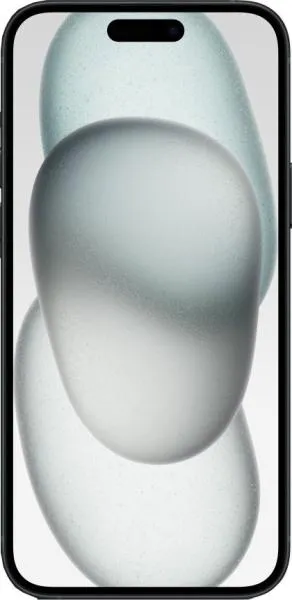
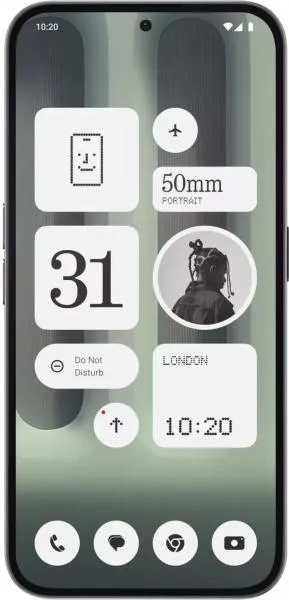
| Feature | Apple iPhone 15 Plus | Nothing Phone (2a) Plus | Practical Impact |
|---|---|---|---|
| Design | |||
| Dimensions | 160.9 x 77.8 x 7.8 mm | 161.7 x 76.3 x 8.5 mm | Virtually identical in hand feel. Nothing Phone slightly thicker. |
| Weight | 201g | 190g | Negligible weight difference in day-to-day use. |
| Build Materials | Not specified | Not specified | Cannot compare build quality and durability without materials information. |
| Display | |||
| Size | 6.7" | 6.7" | Same screen real estate. |
| Type | Super Retina XDR OLED | AMOLED | Both offer excellent color and contrast. iPhone likely to have slightly better color accuracy due to "Super Retina XDR". |
| Resolution | 1290 x 2796 | 1080 x 2412 | iPhone has a noticeably sharper display (460 ppi vs 395 ppi), beneficial for text clarity and image detail. |
| Refresh Rate | Not specified | 120Hz | 120Hz on the Nothing Phone provides smoother scrolling and animations, leading to a more fluid user experience. Missing iPhone refresh rate limits comparison. |
| Peak Brightness | 2000 nits | 1300 nits | iPhone significantly brighter in direct sunlight, improving outdoor visibility. |
| Performance | |||
| Chipset | Apple A16 Bionic (4 nm) | Mediatek Dimensity 7350 Pro (4 nm) | A16 expected to deliver significantly better performance in demanding tasks and gaming based on historical benchmarks. |
| CPU | Hexa-core (2x3.46 GHz + 4x2.02 GHz) | Octa-core (2x3.0 GHz + 6x2.0 GHz) | Core count less important than architecture and clock speed; A16's performance cores are clocked higher suggesting superior performance. |
| GPU | Apple GPU (5-core) | Mali-G610 MC4 | Apple's custom GPU historically outperforms Mali GPUs in graphics-intensive tasks and games. |
| RAM | 6GB | 12GB | More RAM on Nothing Phone should enable better multitasking and app switching in theory, but real-world impact depends on OS optimization. |
| Storage | 256/512GB | 256GB | iPhone offers a 512GB option for users needing more storage. |
| Battery | |||
| Capacity | 4383 mAh | 5000 mAh | Larger battery in the Nothing Phone suggests longer battery life, but actual usage will depend on software optimization and user habits. |
| Camera | |||
| Video Capabilities | Up to 4K@60fps, 1080p@240fps | Up to 4K@30fps, 1080p@120fps | iPhone offers significantly more advanced video recording capabilities, including higher resolution and frame rates. |
| Specific Sensor Details | Missing | Missing | Cannot compare image quality, low-light performance, and specific camera features without sensor details. |
2. Key Differences Analysis
iPhone 15 Plus Advantages:
- Superior Performance: A16 Bionic chip provides a significant performance advantage.
- Sharper Display: Higher resolution results in crisper visuals.
- Brighter Display: Better outdoor visibility.
- More Advanced Video Recording: Higher resolution and frame rates.
Nothing Phone (2a) Plus Advantages:
- Higher Refresh Rate: Smoother scrolling and animations (assuming the iPhone is 60hz).
- Larger Battery: Potentially longer battery life.
- More RAM: Potentially better multitasking (though real-world impact depends on OS).
3. User Profiles & Recommendations
iPhone 15 Plus: Users prioritizing performance, a vibrant and sharp display, and advanced video recording. Ideal for demanding tasks, gaming, and content creation.
Nothing Phone (2a) Plus: Users prioritizing a smooth display experience, potentially longer battery life, and distinctive design (assuming Glyph interface is carried over). Suitable for everyday use, social media, and light gaming.
4. Decision Framework
Key Questions:
- What is your budget? Both are mid-range, but actual pricing might vary.
- What are your performance needs? Demanding tasks and gaming favor the iPhone.
- What features do you prioritize? Smooth display vs. sharper display; Battery life vs. performance; iOS vs. Android.
My Choice: Apple iPhone 15 Plus
Reasoning: While the Nothing Phone (2a) Plus offers a compelling combination of features like a 120Hz display and larger battery, the significant performance advantage of the A16 Bionic chip in the iPhone 15 Plus is the deciding factor for me. I prioritize a smooth and responsive user experience, especially for long-term use, and the A16's proven track record in delivering sustained performance makes it a more future-proof choice. The sharper and brighter display is also a significant plus. While I appreciate the smoother scrolling of a 120Hz display and larger battery of the Nothing phone, the potential performance limitations of the Dimensity chip and unknown camera quality are bigger drawbacks. The iPhone's more advanced video recording capabilities further solidify its position as the better choice for my needs. I am willing to accept a potentially shorter battery life and standard 60Hz (assuming) refresh rate for the superior overall performance and user experience offered by the iPhone 15 Plus.
