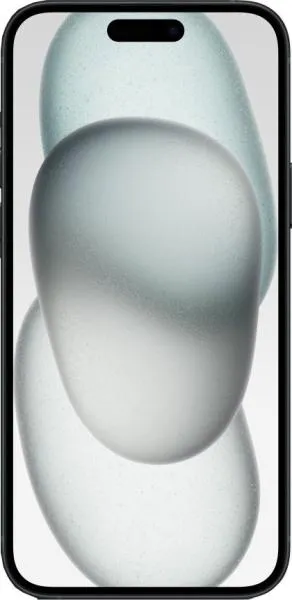
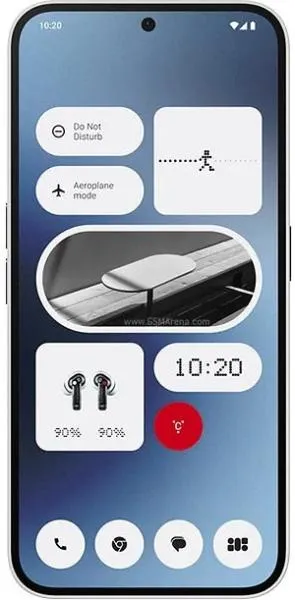
1. Specifications Comparison
| Feature | Apple iPhone 15 Plus | Nothing Phone (2a) | Practical Impact |
|---|---|---|---|
| Design | |||
| Dimensions | 160.9 x 77.8 x 7.8 mm | 161.7 x 76.3 x 8.6 mm | Virtually identical in hand feel. Nothing Phone slightly thicker. |
| Weight | 201g | 190g | Negligible difference in weight. |
| Build | Glass front/back, aluminum frame | Missing build material for Nothing Phone limits comparison. | |
| Display | |||
| Size | 6.7" | 6.7" | Identical screen size. |
| Type | Super Retina XDR OLED | AMOLED | Both offer excellent color and contrast. |
| Resolution | 1290 x 2796 | 1080 x 2412 | iPhone has a significantly sharper display (460 ppi vs 394 ppi), noticeable in text clarity and image detail. |
| Refresh Rate | 120Hz | Missing refresh rate for iPhone. 120Hz on Nothing Phone provides smoother scrolling and animations. | |
| Peak Brightness | 2000 nits | 1300 nits | iPhone's display will be significantly more visible in direct sunlight. |
| Performance | |||
| Chipset | Apple A16 Bionic (4 nm) | Mediatek Dimensity 7200 Pro (4 nm) | A16 expected to outperform Dimensity 7200 Pro in benchmarks and demanding tasks. Real-world difference may vary depending on usage. |
| CPU | Hexa-core (2x3.46 GHz + 4x2.02 GHz) | Octa-core (2x2.8 GHz + 6x2.0 GHz) | Core configuration difference; A16's higher clock speeds likely provide a performance edge. |
| GPU | Apple GPU (5-core) | Mali-G610 MC4 | A16's GPU generally considered more powerful, leading to better gaming and graphics performance. |
| RAM | 6GB | 12GB | More RAM on Nothing Phone could improve multitasking and app switching performance, particularly with numerous apps open in the background. |
| Storage | 256GB/512GB | 256GB | iPhone offers a 512GB option for users needing more storage. |
| Battery | |||
| Capacity | 4383 mAh | 5000 mAh | Larger battery in the Nothing Phone suggests longer battery life. Real-world usage will depend on software optimization. |
| Camera | |||
| Video Capabilities | Up to 4K@60fps, 1080p@240fps | Up to 4K@30fps, 1080p@120fps | iPhone offers higher video resolution and frame rates, enabling smoother and more detailed video recording, especially slow-motion. Missing detailed camera specs limit further comparison. |
2. Key Differences Analysis
iPhone 15 Plus Advantages:
- Sharper Display: Higher resolution for clearer visuals.
- Brighter Display: Better outdoor visibility.
- More Powerful Chipset: Expected superior performance in demanding tasks and gaming.
- Higher Video Capabilities: More resolution and frame rate options for video recording.
Nothing Phone (2a) Advantages:
- Higher Refresh Rate: Smoother scrolling and animations.
- Larger Battery: Potentially longer battery life.
- More RAM: Enhanced multitasking capabilities.
- Potentially Lower Price: While both are mid-range, Nothing phones often undercut competitors.
3. User Profiles & Recommendations
iPhone 15 Plus: Users prioritizing performance, display quality, a premium ecosystem, and consistent software updates. Ideal for demanding tasks, gaming, and content consumption.
Nothing Phone (2a): Users prioritizing smooth display experience, long battery life, and a unique design. Suitable for everyday use, multitasking, and users sensitive to price differences.
4. Decision Framework
Key Questions:
- Performance Priority: Is top-tier performance for demanding applications and games crucial?
- Display Preference: Is a sharper, brighter display more important than a higher refresh rate?
- Budget Sensitivity: How significant is the price difference in the purchasing decision?
Scenario-Based Recommendations:
- Gamer: iPhone 15 Plus for its powerful A16 Bionic chip.
- Power User: iPhone 15 Plus for performance and display clarity.
- Casual User: Nothing Phone (2a) for its smooth display, large battery, and potentially lower price.
My Choice: iPhone 15 Plus
While the Nothing Phone (2a) offers a compelling package with its smooth display and large battery, the iPhone 15 Plus's superior performance, sharper and brighter display, and richer video recording capabilities are more important to me. I prioritize a fluid and responsive experience for demanding tasks and value a high-quality display for content consumption. The A16 Bionic's proven track record in performance and efficiency, coupled with the expected longer software support from Apple, make the iPhone 15 Plus the better long-term investment for my needs. I am willing to compromise on battery life and refresh rate for these advantages. The lack of specific build materials and detailed camera information for the Nothing Phone makes a comprehensive comparison difficult.
