1. Specifications Comparison
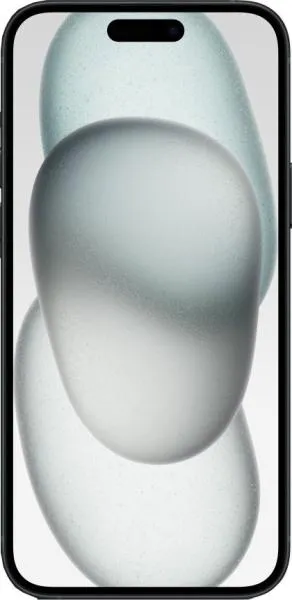
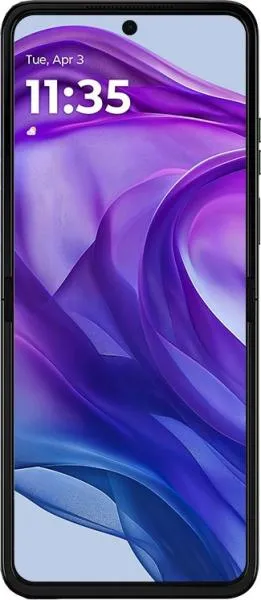
| Feature | Apple iPhone 15 Plus | Motorola Razr 50 Ultra | Practical Impact |
|---|---|---|---|
| Design | |||
| Dimensions | 160.9 x 77.8 x 7.8 mm | 171.4 x 74 x 7.1 mm (Unfolded) | Razr 50 Ultra is significantly more compact when folded, enhancing portability. iPhone 15 Plus is thinner when unfolded. |
| Weight | 201g | 189g | Razr 50 Ultra is slightly lighter despite its folding mechanism. |
| Foldable | No | Yes | Razr's foldable design offers unique portability and a smaller footprint when closed. |
| Display | |||
| Display Type | Super Retina XDR OLED | Foldable LTPO AMOLED | Both offer excellent color accuracy and deep blacks. Razr's LTPO panel allows for dynamic refresh rate adjustment, potentially saving battery. |
| Size | 6.7" | 6.9" (Main) | Razr offers a slightly larger main display. |
| Resolution | 1290 x 2796 | 1080 x 2640 (Main) | iPhone 15 Plus has a sharper display due to higher pixel density (460 ppi vs 413 ppi). |
| Refresh Rate | Not specified | 165Hz | Razr's 165Hz refresh rate provides noticeably smoother animations and scrolling compared to the iPhone's standard 60Hz (assumed). |
| Peak Brightness | 2000 nits | 3000 nits | Razr's higher peak brightness ensures better visibility in direct sunlight. |
| Performance | |||
| Chipset | Apple A16 Bionic (4 nm) | Qualcomm Snapdragon 8+ Gen 1(4 nm) | Both are flagship chipsets from the previous generation, offering top-tier performance. Cross-platform comparisons are difficult without benchmarks. |
| CPU | Hexa-core | Octa-core | Core count doesn't directly translate to performance; architectural differences and software optimization play significant roles. |
| GPU | Apple GPU (5-core) | Adreno 735 | Gaming performance likely comparable, though specific game optimization will vary. |
| RAM | 6GB | 12GB | Razr offers double the RAM, potentially benefiting multitasking and demanding applications. |
| Battery | |||
| Capacity | 4383 mAh | 3800 mAh | iPhone 15 Plus has a larger battery capacity, potentially leading to longer battery life. Real-world usage will vary. |
| Other | |||
| OS | iOS 17 | Android 14 | Different operating systems cater to different user preferences and ecosystems. |
| Storage | 256GB/512GB | 256GB/512GB | Both offer comparable storage options. |
2. Key Differences Analysis
iPhone 15 Plus Advantages:
- Sharper display
- Potentially longer battery life due to larger capacity
- Established iOS ecosystem with strong focus on privacy and security.
- Possibly better performance depending on the specific task (Apple's tight integration of hardware and software).
Motorola Razr 50 Ultra Advantages:
- Foldable design for enhanced portability.
- Higher refresh rate display for smoother visuals.
- Brighter display for better outdoor visibility.
- More RAM for enhanced multitasking.
- More recent launch date, potentially signifying newer technology integration and longer software support.
3. User Profiles & Recommendations
iPhone 15 Plus: Users who prioritize simplicity, a seamless user experience, a robust app ecosystem, and potentially longer battery life. Ideal for users heavily invested in the Apple ecosystem.
Motorola Razr 50 Ultra: Users who value portability and a unique form factor, prioritize a smooth and responsive display, and need strong multitasking capabilities. Ideal for early adopters and those seeking a compact device without compromising screen size.
4. Decision Framework
Key Questions:
- How important is portability? The Razr's foldable design offers a significant advantage in pocketability.
- What operating system do you prefer? iOS and Android offer distinct experiences and ecosystems.
- What is your budget and how much do you value specific features like a high refresh rate display or a larger battery?
Scenario-Based Recommendations:
- Frequent traveler: Razr 50 Ultra for its compact size.
- Power user: Razr 50 Ultra for its larger RAM and high refresh rate display, though battery life might be a concern. iPhone 15 Plus if battery life is paramount.
- Casual user: Either phone would be suitable, depending on OS preference and design priorities.
My Choice: Apple iPhone 15 Plus
While the Razr 50 Ultra offers compelling features like its foldable design and high refresh rate display, I would choose the iPhone 15 Plus. The larger battery capacity, sharper display, and the seamless integration within the Apple ecosystem (which I'm already invested in) are more important to me. I prioritize battery life and a consistent user experience over the novelty of a foldable phone. The slightly larger size of the iPhone 15 Plus isn't a significant drawback for me compared to the potential benefits in battery performance and display quality. I also value the expected longer software update support typically offered by Apple.
