1. Specifications Comparison
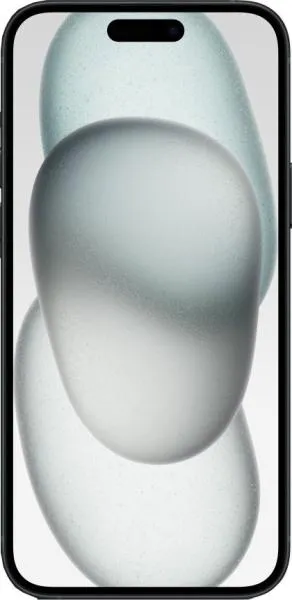
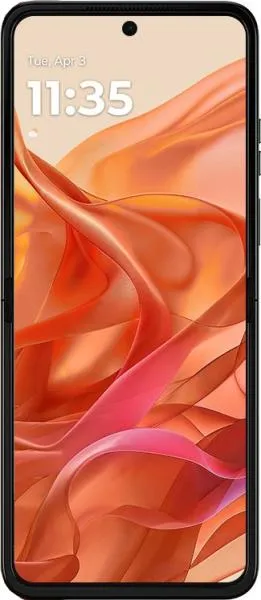
| Feature | Apple iPhone 15 Plus | Motorola Razr 50 | Practical Impact |
|---|---|---|---|
| Design | |||
| Dimensions | 160.9 x 77.8 x 7.8 mm | 171.3 x 74 x 7.3 mm (Unfolded) | Razr 50 is more compact when folded, significantly impacting portability. iPhone 15 Plus is a traditional slab design. |
| Weight | 201g | 188.4g | Razr 50 is slightly lighter despite the folding mechanism. |
| Foldable | No | Yes | Razr 50's foldable design offers a unique form factor and pocket-friendly portability, but introduces potential durability concerns. |
| Display | |||
| Display Type | Super Retina XDR OLED | Foldable LTPO AMOLED | Both offer excellent color accuracy and contrast. Razr 50's LTPO panel allows for dynamic refresh rate adjustment, potentially saving battery. |
| Size | 6.7" | 6.9" | Razr 50 provides a slightly larger screen when unfolded. |
| Resolution | 1290 x 2796 | 1080 x 2640 | iPhone 15 Plus boasts a sharper display (460 ppi vs 413 ppi), resulting in crisper text and images. |
| Refresh Rate | Not specified | 120Hz | Razr 50's 120Hz offers smoother scrolling and animations, enhancing perceived performance and responsiveness. Missing iPhone refresh rate data limits comparison.* | ||
| Peak Brightness | 2000 nits | 3000 nits | Razr 50 should be more visible in direct sunlight. |
| Performance | |||
| Chipset | Apple A16 Bionic (4 nm) | Mediatek Dimensity 7300X (4 nm) | A16 Bionic is generally considered more powerful, likely leading to superior performance in demanding tasks and gaming. |
| CPU | Hexa-core (2x3.46 GHz + 4x2.02 GHz) | Octa-core (4x2.5 GHz + 4x2.0 GHz) | A16's architecture and optimized iOS integration likely result in better single-core performance crucial for responsiveness. |
| GPU | Apple GPU (5-core) | Mali-G615 MC2 | A16's GPU is expected to deliver significantly better graphics performance. |
| RAM | 6GB | 12GB | Razr 50's larger RAM could enable better multitasking and app retention in the background. |
| Storage | 256GB/512GB | 512GB | Comparable storage options at the 512GB tier. |
| Battery | |||
| Capacity | 4383 mAh | 4200 mAh | iPhone 15 Plus has a slightly larger battery. Real-world battery life depends on usage and software optimization. |
2. Key Differences Analysis
iPhone 15 Plus Advantages:
- Performance: The A16 Bionic chip offers a significant performance advantage.
- Display Sharpness: Higher pixel density leads to a crisper viewing experience.
- Potentially Longer Battery Life: Slightly larger battery capacity.
Motorola Razr 50 Advantages:
- Foldable Design: Unique form factor and enhanced portability when folded.
- Higher Refresh Rate: Smoother animations and scrolling.
- Brighter Display: Better visibility in sunlight.
- Larger RAM: Improved multitasking capabilities.
Trade-offs:
- Razr 50: Foldable design might introduce durability concerns and crease visibility. Lower resolution display despite larger size.
- iPhone 15 Plus: Traditional slab design lacks the novelty of a foldable. Potentially lower refresh rate (unspecified).
3. User Profiles & Recommendations
iPhone 15 Plus: Ideal for users prioritizing performance, a sharp display, and a reliable, traditional smartphone experience. Excellent for power users, gamers, and content creators who demand high performance.
Motorola Razr 50: Best suited for users who value portability and a unique form factor above raw performance. Appeals to those who want a compact phone without sacrificing screen size when needed. Also suitable for users who prioritize a smooth display experience (120Hz).
4. Decision Framework
Key Questions:
- Form Factor Priority: Do you prioritize a pocketable, foldable design or a traditional slab phone?
- Performance Needs: Is top-tier processing power essential for your usage (gaming, video editing), or is a smooth user experience with good performance sufficient?
- Budget & Value: Which phone offers the best combination of features for your budget?
Scenario-Based Recommendations:
- Heavy User: If you are a gamer, power user, or content creator, the iPhone 15 Plus is a better choice due to its superior performance.
- Style Conscious User: If you prioritize a unique, compact, and stylish device, the Razr 50's foldable design is more appealing.
- Budget-Conscious User: Careful consideration of price differences and desired features is needed. If the price difference is significant, the Razr 50 might offer better value depending on individual needs.
My Choice: Apple iPhone 15 Plus
While the Razr 50's foldable design is intriguing, I prioritize performance and long-term reliability. The A16 Bionic's significant performance advantage in the iPhone 15 Plus is crucial for my usage, which includes demanding tasks and gaming. I am also concerned about the potential durability issues and crease visibility associated with foldable phones. The iPhone 15 Plus's sharper display is another factor in my decision. While I appreciate the Razr 50's higher refresh rate and brighter display, the overall performance and reliability of the iPhone 15 Plus make it a better fit for my needs. The slightly larger battery in the iPhone is also a plus. Finally, Apple's long-term software support and robust ecosystem are important considerations for me.
