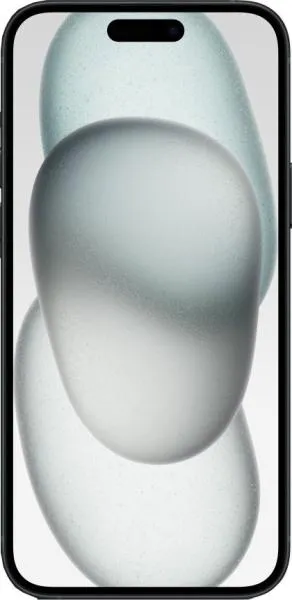
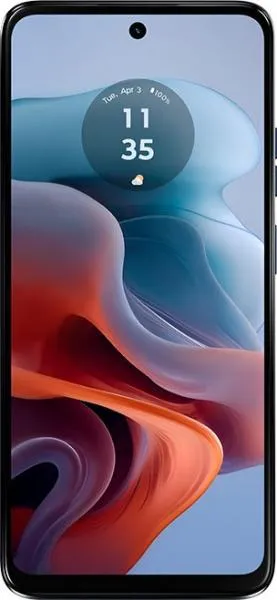
1. Specifications Comparison
| Feature | Apple iPhone 15 Plus | Motorola Moto G34 | Practical Impact |
|---|---|---|---|
| Design | |||
| Dimensions | 160.9 x 77.8 x 7.8 mm | 162.7 x 74.6 x 8.0 mm | Virtually identical in size; negligible real-world difference. |
| Weight | 201g | 179g | iPhone is noticeably heavier, potentially impacting one-handed use. |
| Build Materials | Not specified | Not specified | Cannot compare build quality and durability without more information. |
| Display | |||
| Display Type | Super Retina XDR OLED | IPS LCD | iPhone's OLED offers significantly better contrast, deeper blacks, and wider viewing angles, resulting in a superior visual experience. |
| Size | 6.7" | 6.5" | Minor size difference; iPhone provides slightly more screen real estate. |
| Resolution | 1290 x 2796 | 720 x 1600 | iPhone boasts much higher resolution (460 ppi vs 270 ppi) leading to sharper text and images. Moto G34's lower resolution might appear pixelated to some users. |
| Refresh Rate | Not specified | 120Hz | Higher refresh rate on the Moto G34 results in smoother animations and scrolling, making the user experience feel more fluid. Lack of iPhone refresh rate information hinders comparison. |
| Peak Brightness | 2000 nits | Not specified | iPhone's higher peak brightness ensures better visibility in direct sunlight. Inability to compare peak brightness limits comprehensive analysis. |
| Performance | |||
| Chipset | Apple A16 Bionic (4 nm) | Qualcomm Snapdragon 695 5G (6 nm) | A16 is a flagship chipset, significantly more powerful than the mid-range Snapdragon 695. Expect considerably faster performance and smoother multitasking on the iPhone. |
| CPU | Hexa-core (2x3.46 GHz + 4x2.02 GHz) | Octa-core (2x2.2 GHz + 6x1.7 GHz) | Core count is less important than architecture and clock speed. A16's superior architecture and higher clock speeds will deliver substantially better performance. |
| GPU | Apple GPU (5-core) | Adreno 619 | A16's GPU will offer superior graphics performance for demanding games and applications. |
| RAM | 6GB | 4GB/8GB | While RAM can vary on the Moto G34, even 8GB is less impactful than the optimized RAM management in iOS. The A16's performance combined with iOS optimization will likely result in smoother multitasking than the Moto G34. |
| Storage | 256GB/512GB | 128GB | iPhone offers larger storage options. |
| Camera | |||
| Video Capabilities | Up to 4K@60fps, 1080p@240fps | 1080p@30fps | iPhone offers significantly better video recording capabilities with higher resolution and frame rates, enabling slow-motion capture and more detailed footage. More detailed camera specs (sensor size, aperture) are needed for a thorough comparison. |
| Battery | |||
| Capacity | 4383 mAh | 5000 mAh | Moto G34 has a larger battery capacity. However, real-world battery life depends on software optimization and usage patterns, making a direct comparison difficult without testing. |
2. Key Differences Analysis
iPhone 15 Plus Advantages:
- Superior Performance: The A16 Bionic chip provides a significant performance advantage for demanding tasks and gaming.
- Higher Quality Display: The OLED display offers richer colors, deeper blacks, and better overall visual quality.
- Advanced Video Recording: More versatile and higher quality video recording capabilities.
Moto G34 Advantages:
- Potentially Longer Battery Life: Larger battery capacity suggests longer usage time, but real-world performance depends on factors beyond raw capacity.
- Higher Refresh Rate Display: Smoother scrolling and animations provide a more fluid user experience.
- Lower Price: While not explicitly stated, Moto G series typically falls into a lower price bracket than the iPhone 15 Plus.
3. User Profiles & Recommendations
iPhone 15 Plus: Users who prioritize performance, premium display quality, a robust app ecosystem, and advanced camera features. Ideal for demanding tasks, gaming, content creation, and consuming media.
Moto G34: Budget-conscious users who prioritize battery life and a smooth display experience for everyday tasks. Suitable for web browsing, social media, casual gaming, and communication.
4. Decision Framework
Key Questions for Buyers:
- What is your budget? The iPhone 15 Plus is expected to be significantly more expensive.
- What are your performance needs? For demanding tasks and gaming, the iPhone 15 Plus is far superior.
- What are your priorities in a display? OLED offers better quality, but a 120Hz refresh rate provides a smoother experience.
My Choice: iPhone 15 Plus
While lacking some specifications for a complete comparison, the iPhone 15 Plus is the clear winner for me. The A16 Bionic chip offers a substantial performance advantage that I value for demanding tasks and future-proofing. The superior OLED display is crucial for media consumption, which is a significant part of my smartphone usage. While the Moto G34 might offer longer battery life and a smoother display due to its 120Hz refresh rate, the overall performance and display quality of the iPhone outweigh those benefits for my needs. The potential price difference is justified by the significantly improved user experience provided by the iPhone's superior hardware and software integration.
