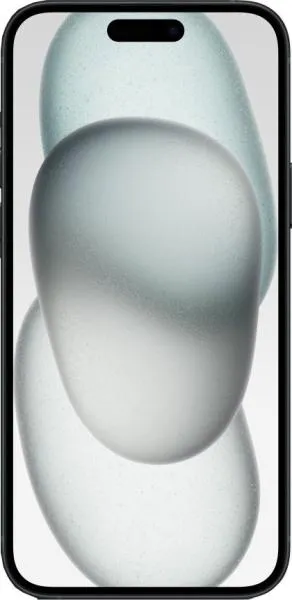
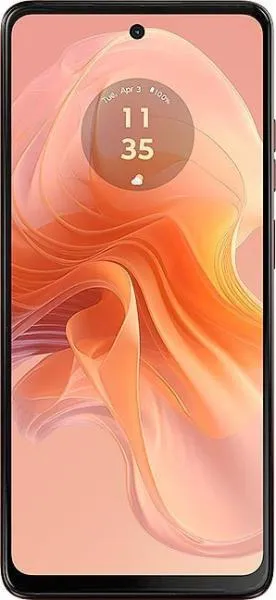
1. Specifications Comparison
| Feature | Apple iPhone 15 Plus | Motorola Moto G04s | Practical Impact |
|---|---|---|---|
| Design | |||
| Dimensions | 160.9 x 77.8 x 7.8 mm | 163.5 x 74.5 x 8 mm | Virtually identical in size; negligible real-world difference. |
| Weight | 201g | 178.8g | iPhone 15 Plus is noticeably heavier. Can impact one-handed use and pocket comfort. |
| Build Materials | Not specified | Not specified | Cannot compare build quality and durability without more information. |
| Display | |||
| Display Type | Super Retina XDR OLED | IPS LCD | iPhone offers significantly better contrast, color accuracy, and viewing angles due to OLED technology. |
| Display Size | 6.7" | 6.56" | Negligible difference in screen real estate. |
| Resolution | 1290 x 2796 | 720 x 1612 | iPhone has a much sharper display (460 ppi vs 269 ppi), resulting in crisper text and images. |
| Refresh Rate | Not specified, assumed to be 60Hz based on previous models | 90Hz | Moto G04s should offer smoother scrolling and animations due to the higher refresh rate. |
| Peak Brightness | 2000 nits | Not specified | iPhone will be significantly more visible in direct sunlight. Lack of Moto G04s data prevents full comparison. |
| Performance | |||
| Chipset | Apple A16 Bionic (4 nm) | Unisoc T606 (12 nm) | A16 is a flagship-level chip offering significantly faster processing speeds and graphics performance than the budget-oriented Unisoc T606. Impacts app loading times, multitasking, and gaming performance. |
| CPU | Hexa-core (2x3.46 GHz + 4x2.02 GHz) | Octa-core (2x1.6 GHz + 6x1.6 GHz) | iPhone's CPU architecture and higher clock speeds offer a significant performance advantage. |
| GPU | Apple GPU (5-core) | Mali-G57 MP1 | iPhone's GPU provides considerably better gaming and graphics-intensive task performance. |
| RAM | 6GB | 4GB | iPhone's larger RAM enables better multitasking and reduces app reloading. |
| Storage | 256GB/512GB | 128GB | iPhone offers more storage options for users with larger media libraries. |
| Camera | Not enough information to compare | Not enough information to compare | Cannot compare without details on sensor size, aperture, and features. |
| Battery | |||
| Capacity | 4383 mAh | 5000 mAh | Moto G04s has a larger battery capacity. However, real-world battery life depends on numerous factors including software optimization and display efficiency. |
2. Key Differences Analysis
iPhone 15 Plus Advantages:
- Significantly higher performance: The A16 Bionic chip provides a substantial advantage for demanding tasks and gaming.
- Superior display: OLED technology delivers richer colors, deeper blacks, and better outdoor visibility. Sharper resolution results in a crisper viewing experience.
- Premium ecosystem: iOS is known for its smooth performance, app quality, and privacy features.
Moto G04s Advantages:
- Potentially longer battery life: Larger battery capacity suggests potential for longer usage between charges, though real-world performance is dependent on various factors.
- Higher refresh rate: 90Hz display offers smoother scrolling and animations, noticeable in everyday use.
- Lower price: Likely significantly cheaper given the budget-oriented specifications.
3. User Profiles & Recommendations
iPhone 15 Plus: Users who prioritize performance, a premium display, a polished user experience, and access to the Apple ecosystem. Ideal for demanding tasks, gaming, content creation, and media consumption.
Moto G04s: Budget-conscious users who prioritize battery life and a smooth display. Suitable for everyday tasks like browsing, social media, and communication. Less ideal for demanding games or heavy multitasking.
4. Decision Framework
Key Questions for Buyers:
- What is your budget? The iPhone 15 Plus is significantly more expensive.
- What are your primary use cases? Demanding tasks and gaming benefit from the iPhone's performance, while basic tasks can be handled by the Moto G04s.
- Which operating system do you prefer? iOS and Android offer distinct user experiences.
Scenario-Based Recommendations:
- Limited budget, basic usage: Moto G04s
- Prioritize performance and premium experience: iPhone 15 Plus
- Heavy gamer or content creator: iPhone 15 Plus
My Choice: Apple iPhone 15 Plus
While the Moto G04s offers a larger battery and higher refresh rate at a lower price, the iPhone 15 Plus's significant performance advantage, superior display quality, and the polished iOS ecosystem are more important factors for me. I prioritize a smooth, responsive user experience for demanding tasks, gaming, and content consumption, which the iPhone 15 Plus is better equipped to deliver. The price difference is justified by the long-term value proposition of a more powerful and capable device.
