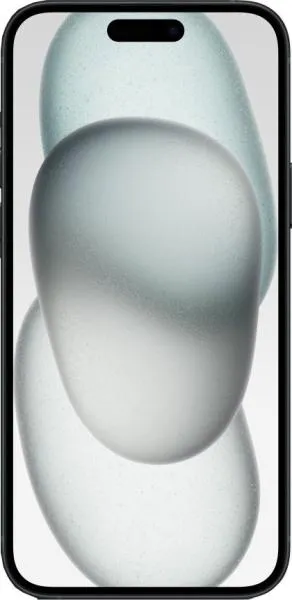
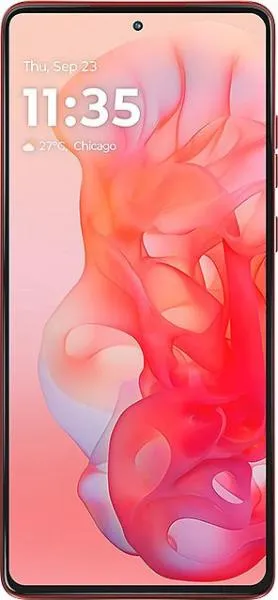
1. Specifications Comparison
| Feature | Apple iPhone 15 Plus | Motorola Moto G Stylus 5G (2024) | Practical Impact |
|---|---|---|---|
| Design | |||
| Dimensions | 160.9 x 77.8 x 7.8 mm | 162.6 x 74.8 x 8.3 mm | iPhone 15 Plus is slightly shorter, narrower, and thinner. |
| Weight | 201g | 190g | Moto G Stylus is slightly lighter. |
| Build Materials | Missing | Missing | Build quality and durability cannot be compared without this information. |
| Display | |||
| Display Size | 6.7" | 6.7" | Same screen size. |
| Display Type | Super Retina XDR OLED | P-OLED | iPhone's OLED generally offers better color accuracy, deeper blacks, and higher brightness. |
| Resolution | 1290 x 2796 | 1080 x 2400 | iPhone has a significantly sharper display (460 ppi vs 395 ppi), resulting in clearer text and images. |
| Refresh Rate | Missing | 120Hz | A higher refresh rate on the Moto G Stylus provides smoother scrolling and animations. iPhone's refresh rate is unknown. |
| Peak Brightness | 2000 nits | 1200 nits | iPhone can get significantly brighter, improving outdoor visibility. |
| Performance | |||
| Chipset | Apple A16 Bionic (4 nm) | Qualcomm Snapdragon 6 Gen 1 (4 nm) | A16 Bionic is significantly more powerful, leading to faster app loading, smoother multitasking, and better gaming performance. |
| CPU | Hexa-core | Octa-core | Core count doesn't directly translate to performance; A16's architecture and individual core performance are superior. |
| GPU | Apple GPU (5-core) | Adreno 710 | Apple's GPU is expected to provide significantly better graphics performance for demanding games and tasks. |
| RAM | 6GB | 8GB | While Moto G Stylus has more RAM, iOS's memory management often allows iPhones to perform efficiently with less RAM. |
| Storage | 256GB/512GB | 256GB | Comparable storage options, though iPhone offers a 512GB variant. |
| Camera | |||
| Rear Camera Specs | Missing Detailed Specs | Missing Detailed Specs | Camera performance cannot be comprehensively compared without detailed sensor and lens information (e.g., megapixels, aperture). |
| Video Capabilities | Up to 4K@60fps, 1080p@240fps | Up to 4K@30fps, 1080p@120fps | iPhone offers higher resolution and frame rate video recording options including slow-motion. |
| Battery | |||
| Capacity | 4383 mAh | 5000 mAh | Moto G Stylus has a larger battery capacity, potentially leading to longer battery life. Real-world usage varies. |
2. Key Differences Analysis
iPhone 15 Plus Advantages:
- Significantly more powerful: The A16 Bionic chip offers superior performance for demanding tasks and gaming.
- Sharper and brighter display: Higher resolution and peak brightness result in a superior visual experience.
- Expected better camera performance: Higher video recording capabilities suggest a potentially superior camera system, but detailed specs are needed for a complete comparison.
- Premium Ecosystem: Seamless integration with other Apple devices and services.
Moto G Stylus 5G (2024) Advantages:
- Larger battery: Potentially longer battery life.
- Higher refresh rate display: Smoother scrolling and animations.
- Included Stylus: Offers note-taking and drawing capabilities.
- Lower Price (Expected): Moto G series typically offers competitive pricing.
3. User Profiles & Recommendations
iPhone 15 Plus: Users who prioritize performance, display quality, a premium ecosystem, and are willing to pay a premium. Ideal for demanding tasks, gaming, content creation, and seamless Apple device integration.
Moto G Stylus 5G (2024): Users seeking a budget-friendly option with a large battery, smooth display, and stylus functionality. Suitable for everyday tasks, media consumption, note-taking, and casual gaming. Good for budget-conscious users.
4. Decision Framework
Key Questions for Buyers:
- What is your budget? The iPhone 15 Plus is expected to be significantly more expensive.
- What are your performance needs? For demanding tasks and gaming, the iPhone 15 Plus is far superior.
- Do you value specific features like a stylus or exceptionally long battery life? The Moto G Stylus caters to these specific needs.
My Choice: Apple iPhone 15 Plus
While missing some specifications limit a full comparison, the iPhone 15 Plus is my choice. The A16 Bionic chip's significant performance advantage, combined with the superior display quality, are crucial for my usage. I prioritize a smooth and responsive experience for demanding tasks and gaming. Although the Moto G Stylus offers a larger battery and higher refresh rate, these advantages don't outweigh the performance gap and premium user experience offered by the iPhone for my needs. The stylus is a niche feature that I wouldn't personally utilize. Ultimately, I value long-term performance and a polished user experience over battery life and a slightly smoother display refresh rate.
