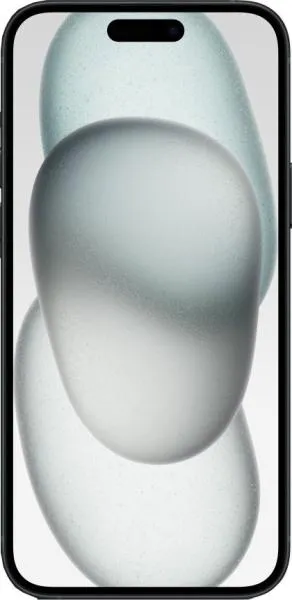
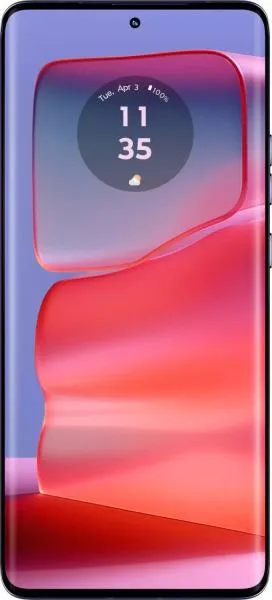
1. Specifications Comparison
| Feature | Apple iPhone 15 Plus | Motorola Edge 50 Pro | Practical Impact |
|---|---|---|---|
| Design | |||
| Dimensions | 160.9 x 77.8 x 7.8 mm | 161.2 x 72.4 x 8.2 mm | Virtually identical in hand feel, though the Motorola is slightly wider and thicker. |
| Weight | 201g | 186g | iPhone is noticeably heavier. Can lead to fatigue during extended use. |
| Build Materials | Not specified | Not specified | Build quality and durability cannot be compared without further information. |
| Display | |||
| Display Size | 6.7" | 6.7" | Same screen real estate. |
| Display Type | Super Retina XDR OLED | P-OLED | Both offer excellent color accuracy and deep blacks. |
| Resolution | 1290 x 2796 | 1220 x 2712 | iPhone has slightly sharper text and images due to higher pixel density (460 vs 446 PPI). Difference is negligible in real-world use. |
| Refresh Rate | Not specified (Likely 60Hz) | 144Hz | Motorola offers significantly smoother scrolling and animations, especially noticeable in games and fast-paced content. |
| Peak Brightness | 2000 nits | 2000 nits | Both offer excellent outdoor visibility. |
| Performance | |||
| Chipset | Apple A16 Bionic (4 nm) | Qualcomm Snapdragon 7 Gen 3 (4 nm) | A16 is expected to offer significantly better CPU and GPU performance in benchmarks and demanding tasks. |
| CPU | Hexa-core (2x3.46 GHz + 4x2.02 GHz) | Octa-core (1x2.63 GHz + 4x2.4 GHz + 3x1.8 GHz) | Core configuration differences are less indicative of real-world performance than overall chipset capabilities. Expect smoother multitasking and faster app loading on the iPhone. |
| RAM | 6GB | 12GB | Motorola offers double the RAM. This may benefit heavy multitaskers, although iOS's memory management is generally very efficient. |
| Storage | 256/512GB | 256/512GB | Comparable storage options. |
| Battery | |||
| Capacity | 4383 mAh | 4500 mAh | Motorola has a slightly larger battery. Real-world battery life depends on optimization and usage patterns. |
| Camera | |||
| Video Capabilities | Up to 4K@60fps, 1080p@240fps | Up to 4K@30fps, 1080p@120fps | iPhone offers higher resolution and frame rate video recording options for smoother slow-motion and more detailed footage. |
| Specific Sensor details | Missing for both | Missing for both | Image quality comparison is impossible without detailed sensor specifications (e.g., sensor size, aperture). |
| Software | |||
| OS | iOS 17 | Android 14 | Different operating systems cater to different preferences. iOS is known for simplicity and a tightly controlled ecosystem, while Android offers more customization options. |
2. Key Differences Analysis
iPhone 15 Plus Advantages:
- Expected Performance: The A16 Bionic chip is likely significantly more powerful than the Snapdragon 7 Gen 3.
- Higher Quality Video Recording: Offers higher resolution and frame rates for video.
- Potentially Longer Software Support: Apple typically provides longer software updates than most Android manufacturers.
Motorola Edge 50 Pro Advantages:
- Higher Refresh Rate Display: 144Hz offers a smoother and more responsive user experience.
- Larger RAM: 12GB RAM may provide benefits for heavy multitasking.
- Slightly Larger Battery: Potentially longer battery life, though real-world usage will vary.
- Potentially Lower Price: Snapdragon 7 series chips are generally found in more affordable devices.
3. User Profiles & Recommendations
iPhone 15 Plus: Users prioritizing performance, video recording quality, a seamless user experience within the Apple ecosystem, and long-term software support. Ideal for demanding tasks, gaming, and content creation.
Motorola Edge 50 Pro: Users who value a smooth display, ample RAM for multitasking, potentially longer battery life, and prefer the customization offered by Android. Ideal for everyday use, social media, web browsing, and less demanding gaming.
4. Decision Framework
Key Questions for Buyers:
- Performance Needs: Do you require top-tier processing power for demanding tasks or gaming?
- Display Preferences: Do you prioritize a smoother display experience (144Hz) or slightly sharper visuals?
- Ecosystem Preference: Are you invested in the Apple or Google ecosystem?
Scenario-Based Recommendations:
- Gamer: iPhone 15 Plus (expected superior performance).
- Power User: iPhone 15 Plus (performance and long-term software support).
- Casual User: Motorola Edge 50 Pro (smooth display, ample RAM, potentially lower price).
My Choice: iPhone 15 Plus
While the 144Hz display of the Motorola Edge 50 Pro is tempting, the significantly superior expected performance of the A16 Bionic chip, coupled with the generally better video recording capabilities and longer software support offered by Apple, make the iPhone 15 Plus the better choice for me. I prioritize a smooth and responsive experience, but raw power and long-term usability are more important in my use case. I also value the tighter integration within the Apple ecosystem. The slightly higher weight is a minor trade-off for these benefits.
