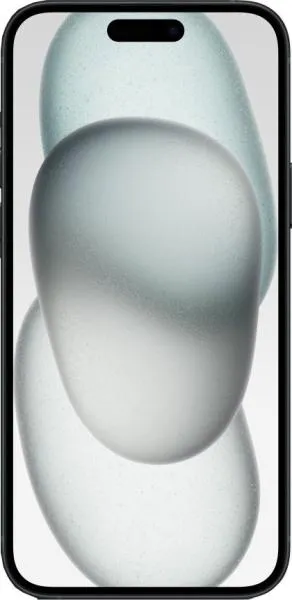
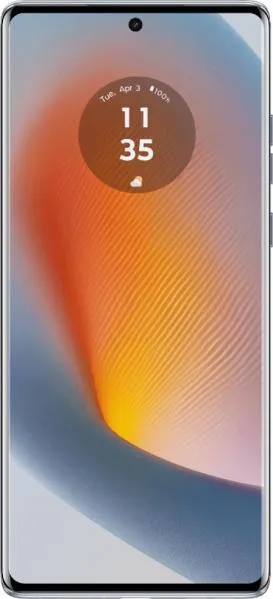
1. Specifications Comparison
| Feature | Apple iPhone 15 Plus | Motorola Edge 50 Fusion | Practical Impact |
|---|---|---|---|
| Design | |||
| Dimensions | 160.9 x 77.8 x 7.8 mm | 161.9 x 73.1 x 7.9 mm | Virtually identical in size; Motorola slightly narrower |
| Weight | 201g | 174.9g | iPhone noticeably heavier; can impact one-handed use |
| Build | Not specified | Not specified | Build quality and materials unknown, impacting durability and premium feel |
| Display | |||
| Size | 6.7" | 6.7" | Same size, offering ample screen real estate |
| Type | Super Retina XDR OLED | P-OLED | Both offer excellent color and contrast; OLED generally superior to LCD |
| Resolution | 1290 x 2796 (460 ppi) | 1080 x 2400 (393 ppi) | iPhone has significantly sharper display due to higher resolution |
| Refresh Rate | Not Specified | 120Hz (LATAM), 144Hz (INT) | Higher refresh rate on Motorola results in smoother animations and scrolling |
| Peak Brightness | 2000 nits | 1600 nits | iPhone significantly brighter for better outdoor visibility |
| Performance | |||
| Chipset | Apple A16 Bionic (4 nm) | Snapdragon 7s Gen 2 (4 nm) | A16 expected to offer significantly better performance in demanding tasks and gaming |
| CPU | Hexa-core | Octa-core | Core count alone doesn't determine performance; A16's architecture is more powerful |
| GPU | Apple GPU (5-core) | Adreno 710 | Apple's GPU generally outperforms competitors, leading to smoother gaming and graphics rendering |
| RAM | 6GB | 8GB | While Motorola has more RAM, iOS's memory management often requires less RAM for similar performance |
| Storage | 256/512GB | 256GB | iPhone offers a 512GB option for users needing more storage |
| Battery | |||
| Capacity | 4383 mAh | 5000 mAh | Motorola has larger battery, potentially leading to longer battery life |
| Charging | Not specified | Not specified | Charging speeds unknown, impacting convenience |
| Camera | |||
| Rear Camera | Not specified | Not specified | Camera specifications missing, preventing comparison of image quality and features |
| Video | Up to 4K@60fps, 1080p@240fps | Up to 4K@30fps, 1080p@120fps | iPhone capable of higher resolution and frame rate video recording |
| Other | |||
| OS | iOS 17 | Android 14 | Different operating systems cater to different user preferences and ecosystems |
| Security | Face ID | Fingerprint (under display) | Different biometric authentication methods offer varying levels of convenience and security |
2. Key Differences Analysis
iPhone 15 Plus Advantages:
- Superior Display: Sharper, brighter display for a better viewing experience.
- Powerful Performance: A16 Bionic chip offers industry-leading performance.
- Higher quality video recording capabilities: More resolution and frame rate options.
Motorola Edge 50 Fusion Advantages:
- Higher Refresh Rate: Smoother scrolling and animations.
- Larger Battery: Potentially longer battery life.
- Potentially Lower Price: Although both are mid-range, Motorola devices often undercut Apple on price.
Trade-offs:
- Performance vs. Battery Life: iPhone prioritizes performance, while Motorola focuses on battery.
- Ecosystem: iOS vs. Android is a major consideration for app availability and user experience.
3. User Profiles & Recommendations
iPhone 15 Plus: Users who prioritize performance, a premium display, and the Apple ecosystem. Ideal for demanding tasks, gaming, and content consumption.
Motorola Edge 50 Fusion: Users who prioritize battery life, a smooth display, and value. Suitable for everyday tasks, media consumption, and users sensitive to price.
4. Decision Framework
Key Questions:
- What is your budget?
- Do you prioritize performance or battery life?
- Which operating system do you prefer: iOS or Android?
Scenario-based Recommendations:
- Heavy User: If you need top-tier performance for gaming or demanding tasks, the iPhone 15 Plus is the better choice.
- Casual User: If you primarily use your phone for social media, browsing, and communication, the Motorola Edge 50 Fusion may suffice, especially if battery life is a major concern.
- Budget-Conscious User: If price is a major factor, the Motorola Edge 50 Fusion likely offers better value.
My Choice: Apple iPhone 15 Plus
While lacking some specifications like camera details, the iPhone 15 Plus's superior performance thanks to the A16 Bionic chip, brighter and sharper display, and the robust iOS ecosystem are compelling. Although the Motorola Edge 50 Fusion offers a larger battery and higher refresh rate, the overall user experience offered by the iPhone, especially in terms of longevity and app support, outweighs these benefits for me. I prioritize a smooth, long-term experience with consistent performance, which the iPhone historically delivers. The weight difference is a minor concern, and I am willing to compromise slightly on battery life for the significantly better performance and display quality.
