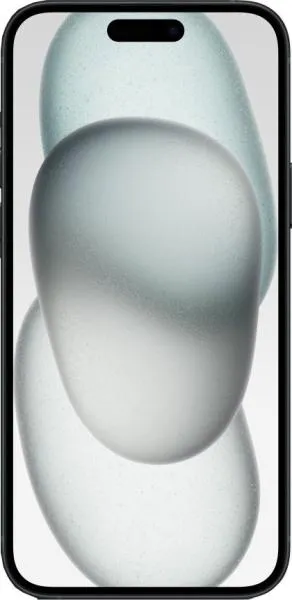
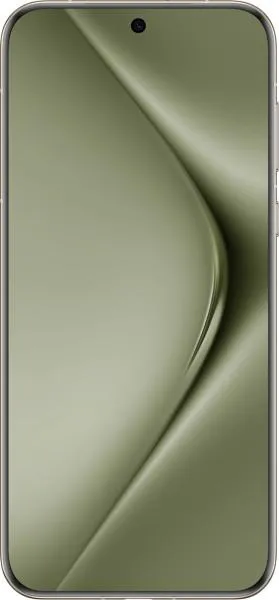
1. Specifications Comparison
| Feature | Apple iPhone 15 Plus | Huawei Pura 70 Ultra | Practical Impact |
|---|---|---|---|
| Design | |||
| Dimensions (mm) | 160.9 x 77.8 x 7.8 | 162.6 x 75.1 x 8.4 | The iPhone 15 Plus is slightly shorter and narrower, but marginally thicker than the Huawei. The differences are minimal in terms of practical handling. |
| Weight (g) | 201 | 226 | The iPhone is noticeably lighter, reducing hand fatigue during prolonged use. |
| Build Materials | Not specified | Not specified | Cannot compare without information. |
| Display | |||
| Size (inches) | 6.7 | 6.8 | Negligible difference in screen real estate. |
| Resolution | 1290 x 2796 | 1260 x 2844 | Both offer sharp, detailed visuals. The minor difference in resolution is practically imperceptible. |
| Type | Super Retina XDR OLED | LTPO OLED | Both are high-quality display technologies known for vibrant colors and deep blacks. LTPO generally offers better power efficiency, especially with variable refresh rates. |
| Refresh Rate (Hz) | Not specified | 120 | The 120Hz refresh rate on the Huawei will result in smoother animations and scrolling compared to the iPhone (assumed to be 60Hz). |
| Peak Brightness (nits) | 2000 | 2500 | The Huawei offers a brighter display, improving outdoor visibility. |
| Performance | |||
| Chipset | Apple A16 Bionic (4 nm) | Kirin 9010 (7 nm) | Both are powerful chipsets, but the A16 Bionic generally benchmarks higher in terms of CPU and GPU performance. The 4nm process suggests better power efficiency for the A16. |
| CPU | Hexa-core | Octa-core | Core count alone doesn't determine performance. Real-world performance depends on architecture and clock speeds, where the A16 Bionic generally excels. |
| GPU | Apple GPU (5-core) | 8-core | Without specific GPU model information for the Huawei, direct comparison is difficult. |
| RAM | 6GB | 16GB | The significantly higher RAM in the Huawei allows for more apps to run in the background without reloading, leading to smoother multitasking. |
| Storage | 256GB/512GB | 1000GB | The Huawei offers significantly more storage for users with large media libraries or who install many apps. |
| Camera | |||
| Specifications | Not detailed | Not detailed | Insufficient information for comparison. A critical aspect missing for a comprehensive analysis. |
| Battery | |||
| Capacity (mAh) | 4383 | 5200 | The Huawei has a larger battery capacity, potentially translating to longer battery life. |
| Charging Speed | Not specified | Not specified | Cannot compare without information. |
| Software | |||
| OS | iOS 17 | The Huawei's OS is not specified, making a comparison impossible. This severely limits the analysis. |
2. Key Differences Analysis
iPhone 15 Plus Advantages:
- Likely Superior Performance: The A16 Bionic chip generally outperforms the Kirin 9010.
- Lighter and More Compact: Easier to handle and carry.
- Established Software Ecosystem: iOS offers a mature and refined user experience.
Huawei Pura 70 Ultra Advantages:
- Larger Battery: Potentially longer battery life.
- Higher Refresh Rate Display: Smoother visuals.
- Brighter Display: Better outdoor visibility.
- Significantly More RAM and Storage: Superior multitasking and ample space for files.
3. User Profiles & Recommendations
iPhone 15 Plus: Users prioritizing performance, a refined software experience, and a lighter device. Ideal for gaming, demanding applications, and general use.
Huawei Pura 70 Ultra: Users prioritizing battery life, a smooth display, and ample storage. Ideal for media consumption, multitasking, and users who store large amounts of data. However, the lack of OS information is a major concern.
4. Decision Framework
Key Questions:
- Which operating system do you prefer? This is crucial, and the missing information on the Huawei makes it impossible to properly evaluate.
- Is performance or battery life more important? The iPhone likely offers better performance, while the Huawei likely offers longer battery life.
- What is your budget? The Huawei is in a higher price range.
Scenario-Based Recommendations:
- Gamer: iPhone 15 Plus for its superior performance.
- Power User: Huawei Pura 70 Ultra for its large RAM and storage, but the unknown OS is a major drawback.
- Casual User: Either phone could suffice, depending on individual priorities and budget. However, the lack of clear OS information on the Huawei makes a recommendation impossible.
My Choice
I would choose the iPhone 15 Plus. While the Huawei Pura 70 Ultra boasts impressive hardware on paper, the missing operating system information is a critical deal-breaker. It's impossible to assess the user experience, app availability, security, and overall functionality without knowing the OS. Additionally, the likely superior performance of the A16 Bionic chip and the lighter weight of the iPhone are compelling factors for me. I prioritize a reliable and well-supported software experience, making the iPhone the safer and more informed choice in this scenario.
