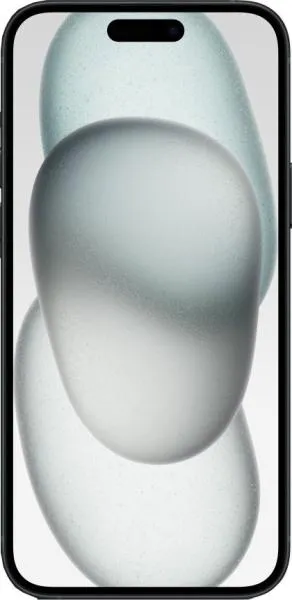
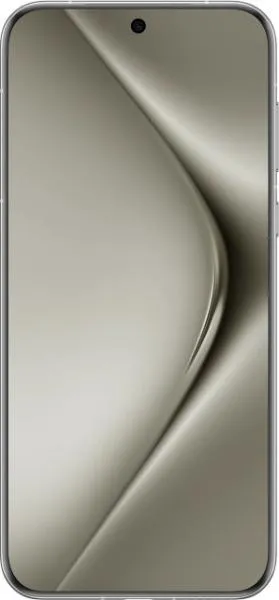
1. Specifications Comparison
| Feature | Apple iPhone 15 Plus | Huawei Pura 70 Pro | Practical Impact |
|---|---|---|---|
| Design | |||
| Dimensions | 160.9 x 77.8 x 7.8 mm | 162.6 x 75.1 x 8.4 mm | The iPhone 15 Plus is slightly shorter, narrower, and thinner. The Huawei is slightly wider and thicker. Differences are minimal in hand feel. |
| Weight | 201g | 220g | The Huawei is noticeably heavier, potentially impacting one-handed use and pocket comfort. |
| Build Materials | Not specified | Not specified | Cannot compare build quality and premium feel without material information. |
| Display | |||
| Size | 6.7" | 6.8" | Negligible difference in screen real estate. |
| Type | Super Retina XDR OLED | LTPO OLED | Both offer excellent color accuracy and deep blacks. LTPO on the Huawei allows for dynamic refresh rate adjustment, potentially saving battery. |
| Resolution | 1290 x 2796 | 1260 x 2844 | Virtually identical pixel density (~460 ppi), resulting in sharp visuals on both. |
| Refresh Rate | Not specified | 120Hz | A 120Hz refresh rate on the Huawei provides smoother animations and scrolling compared to a standard 60Hz (assumed for iPhone based on previous models). This significantly impacts perceived performance and responsiveness. |
| Peak Brightness | 2000 nits | 2500 nits | The Huawei offers superior peak brightness, improving outdoor visibility. |
| Performance | |||
| Chipset | Apple A16 Bionic (4 nm) | Kirin 9010 (7 nm) | A16 Bionic is generally considered a more powerful and efficient chip than the Kirin 9010 based on benchmark data from similar processors. This translates to faster app loading, smoother multitasking, and better gaming performance on the iPhone. |
| CPU | Hexa-core | Octa-core | Core count alone doesn't determine performance. Architecture and clock speeds are crucial. |
| GPU | Apple GPU (5-core) | 8-core GPU | Without specific GPU model information for Huawei, direct performance comparison is difficult. More cores doesn't guarantee better performance. |
| RAM | 6GB | 12GB | The Huawei has significantly more RAM, enabling better multitasking and preventing apps from closing in the background as frequently. |
| Storage | 256GB/512GB | 512GB/1000GB | Huawei offers a larger maximum storage option for users who need ample space for photos, videos, and apps. |
| Battery | |||
| Capacity | 4383 mAh | 5050 mAh | The Huawei has a larger battery, likely resulting in longer battery life. Real-world usage will vary. |
| Software | |||
| OS | iOS 17 | Missing OS information for the Huawei makes a comprehensive comparison impossible. This severely limits analysis and recommendations. |
2. Key Differences Analysis
iPhone 15 Plus Advantages:
- Likely Superior Performance: The A16 Bionic chipset generally outperforms the Kirin 9010.
- Established Software Ecosystem: iOS is known for its stability, app selection, and privacy features.
Huawei Pura 70 Pro Advantages:
- Higher Refresh Rate Display: 120Hz provides a smoother and more responsive user experience.
- Larger Battery: Potentially longer battery life.
- More RAM: Improved multitasking capabilities.
- Larger Storage Options: Caters to users with high storage demands.
- Brighter Display: Better visibility in direct sunlight.
Trade-offs:
- Huawei's Unknown OS: The lack of OS information for the Huawei is a significant drawback, making it impossible to evaluate its software features, app ecosystem, and overall user experience.
- iPhone's Smaller Battery and Less RAM: While the iPhone may have a more powerful processor, its smaller battery and less RAM could limit its performance in certain scenarios compared to the Huawei.
3. User Profiles & Recommendations
iPhone 15 Plus Ideal User: Users prioritizing performance, a stable and familiar operating system (iOS), and a vast app ecosystem. Suitable for those who value a premium brand experience and are already within the Apple ecosystem.
Huawei Pura 70 Pro Ideal User: Cannot be determined due to missing OS information. If the OS is well-optimized and offers access to essential apps, this phone would be suitable for power users who demand smooth performance, long battery life, ample storage, and prioritize a high refresh rate display.
4. Decision Framework
Key Questions for Buyers:
- Which operating system do you prefer? iOS offers a familiar and stable experience, while the Huawei's OS is unknown.
- What is your budget and storage needs? The Huawei offers larger storage options.
- What are your primary use cases? Gaming and demanding tasks might favor the iPhone's processor, while media consumption and multitasking could benefit from the Huawei's larger display, higher refresh rate, and increased RAM.
My Choice
I would choose the iPhone 15 Plus. While the Huawei Pura 70 Pro boasts impressive hardware on paper – larger battery, higher refresh rate display, and more RAM – the missing operating system information is a critical deal-breaker. I cannot confidently recommend a phone without knowing the OS, its functionality, app ecosystem, and overall user experience.
The iPhone 15 Plus offers a known quantity: a powerful processor, a reliable operating system with a vast app ecosystem, and a premium build quality (generally expected from Apple). While it may not have the largest battery or highest refresh rate, the overall package is more predictable and likely to offer a consistent user experience. The performance advantages of the A16 Bionic are also significant.
Ultimately, choosing a phone with an unknown OS is too much of a gamble, regardless of its hardware specifications. A great phone is more than just the sum of its parts; the software experience is paramount.
