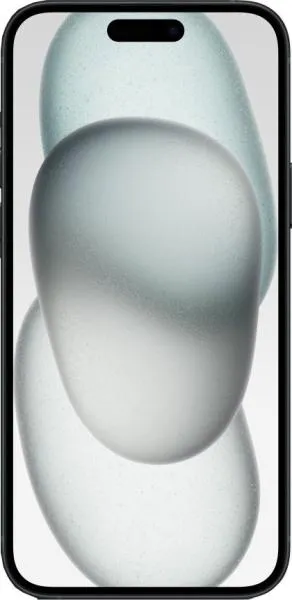
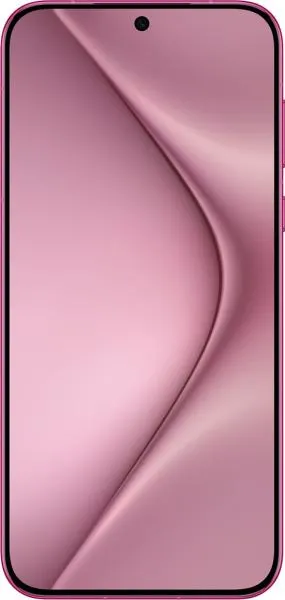
1. Specifications Comparison
| Feature | Apple iPhone 15 Plus | Huawei Pura 70 | Practical Impact |
|---|---|---|---|
| Design | |||
| Dimensions (mm) | 160.9 x 77.8 x 7.8 | 157.6 x 74.3 x 8 | Huawei Pura 70 is slightly shorter and narrower, but negligibly thicker. Real-world size difference is minimal. |
| Weight (g) | 201 | 207 | The weight difference is negligible in practical use. |
| Build Materials | Not specified | Not specified | Cannot compare build quality and feel. |
| Display | |||
| Display Size (inches) | 6.7 | 6.6 | Negligible difference in screen real estate. |
| Display Type | Super Retina XDR OLED | LTPO OLED | Both offer excellent color accuracy and contrast; LTPO generally allows for more dynamic refresh rate adjustments leading to potential power savings. |
| Resolution | 1290 x 2796 | 1256 x 2760 | Virtually identical pixel density and sharpness. |
| Refresh Rate (Hz) | Not specified | 120 | 120Hz on the Huawei offers smoother scrolling and animations compared to a standard 60Hz likely on the iPhone (though not specified). |
| Peak Brightness (nits) | 2000 | 2500 | Huawei's higher peak brightness provides better visibility in direct sunlight. |
| Performance | |||
| Chipset | Apple A16 Bionic (4 nm) | Kirin 9000S1 | A16 Bionic has a proven track record of excellent performance and efficiency. Performance of the Kirin 9000S1 is unclear without benchmarks. |
| CPU | Hexa-core (2x3.46 GHz Everest + 4x2.02 GHz Sawtooth) | Octa-core | Core count alone doesn't determine performance. Real-world performance depends on architecture and clock speeds, which need further benchmarking for Kirin. |
| GPU | Apple GPU (5-core graphics) | 8-core GPU | Core count doesn't solely define GPU performance. Apple's GPUs have consistently performed well, while the Huawei's GPU requires real-world testing for comparison. |
| RAM | 6GB | 12GB | Huawei having double the RAM potentially allows for more apps to run in the background without reloading. However, iOS's memory management is highly optimized, often requiring less RAM than Android. |
| Storage | 256GB/512GB | 512GB | Similar high-end storage options. |
| Camera | |||
| Rear Camera | Not specified | Not specified | Camera performance cannot be compared without sensor details, aperture, and other specifications. |
| Video Capabilities | Extensive, including 4K@60fps and HDR | Not specified | iPhone offers a wide range of professional video recording options. Huawei's video capabilities are unknown. |
| Battery | |||
| Capacity (mAh) | 4383 | 4900 | Huawei offers a larger battery, potentially translating to longer battery life. Real-world usage will depend on software optimization. |
| Software | |||
| Operating System | iOS 17 | Not specified | iOS 17 offers a refined and well-integrated user experience. Huawei's OS and its feature set are unknown, significantly impacting usability. |
2. Key Differences Analysis
iPhone 15 Plus Advantages:
- Proven Performance: A16 Bionic chip offers industry-leading performance and efficiency.
- Established Software Ecosystem: iOS is known for its stability, app selection, and user-friendliness.
- Comprehensive Video Capabilities: Offers a wide array of video recording features.
Huawei Pura 70 Advantages:
- Larger Battery: Potentially longer battery life.
- Higher Refresh Rate Display: Smoother scrolling and animations.
- Higher Peak Brightness: Better outdoor visibility.
- More RAM: Potentially better multitasking, though real-world impact depends on OS optimization.
Trade-offs:
- Huawei Pura 70's Unknown OS: The lack of OS information is a major drawback, making it impossible to evaluate the user experience, app availability, and overall functionality.
- Unknown Camera System on Huawei: Image and video quality are crucial for many users; lack of specifications makes comparison impossible.
- Kirin Chipset Performance Unknown: Performance comparisons are impossible without benchmarks for the Kirin 9000S1.
3. User Profiles & Recommendations
iPhone 15 Plus: Users prioritizing a reliable, polished user experience with a proven track record of performance, a robust app ecosystem, and strong video recording capabilities.
Huawei Pura 70: Users prioritizing battery life, display smoothness and brightness, and potentially multitasking, assuming the unspecified OS is functional and user-friendly. This is a risky recommendation given the missing information.
4. Decision Framework
Key Questions for Buyers:
- What operating system do I prefer? iOS offers a polished and stable experience with a vast app ecosystem. Huawei's OS is unknown.
- How important is camera quality? The iPhone has a history of excellent cameras, while the Huawei's camera system is a complete unknown.
- What is my budget and risk tolerance? The Huawei might offer tempting specs on paper, but the lack of key information presents a significant risk.
Scenario-Based Recommendations:
- Prioritize Reliability and Ecosystem: iPhone 15 Plus
- Prioritize Battery and Display (High Risk Tolerance): Huawei Pura 70 (with strong caveats about unknown factors)
My Choice: Apple iPhone 15 Plus
The lack of critical information about the Huawei Pura 70, specifically the operating system and camera, makes it impossible to recommend confidently. The iPhone 15 Plus, while potentially less exciting on paper in some areas like refresh rate and battery, offers a known quantity: a reliable, performant device with a mature software ecosystem and proven track record. While the Huawei might offer some advantages, the uncertainty surrounding its OS, app availability, and overall user experience outweighs the potential benefits of a larger battery and 120Hz display. I value a dependable and well-rounded experience, which the iPhone 15 Plus clearly provides.
