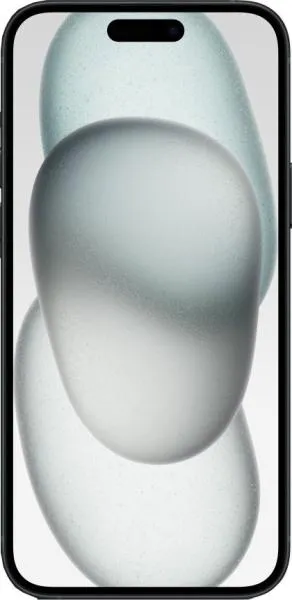
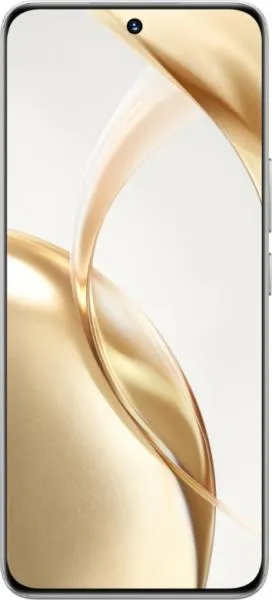
1. Specifications Comparison
| Feature | Apple iPhone 15 Plus | Honor 200 | Practical Impact |
|---|---|---|---|
| Design | |||
| Dimensions | 160.9 x 77.8 x 7.8 mm | 161.5 x 74.6 x 7.7 mm | Virtually identical in size, though the Honor 200 is slightly thinner. |
| Weight | 201g | 187g | The Honor 200 is noticeably lighter, potentially reducing hand fatigue during extended use. |
| Build Materials | Not specified | Not specified | Build quality and durability cannot be compared without more information. |
| Display | |||
| Size | 6.7" | 6.7" | Identical screen sizes provide the same viewing area. |
| Type | Super Retina XDR OLED | OLED | Both are high-quality OLED displays, expect vibrant colors and deep blacks. |
| Resolution | 1290 x 2796 | 1200x2664 | iPhone has a slightly sharper display due to higher pixel density (460 vs 436 ppi), though the difference is negligible in real-world usage. |
| Refresh Rate | Not specified | 120Hz | The Honor 200's 120Hz refresh rate will result in smoother scrolling and animations, leading to a more fluid user experience. |
| Peak Brightness | 2000 nits | 4000 nits | The Honor 200 boasts significantly higher peak brightness, ensuring better visibility in direct sunlight. |
| Performance | |||
| Chipset | Apple A16 Bionic (4 nm) | Qualcomm Snapdragon 7 Gen 3 (4 nm) | A16 is generally considered more powerful, potentially leading to faster app loading, smoother multitasking, and better gaming performance. However, Snapdragon 7 Gen 3 is a highly capable chip for everyday tasks. |
| CPU | Hexa-core | Octa-core | Core count alone doesn't determine performance; architectural differences and clock speeds play a significant role. Expect the A16 to outperform the Snapdragon in demanding tasks. |
| GPU | Apple GPU (5-core) | Adreno 720 | Apple's GPU is likely more powerful, offering a better gaming and graphics-intensive application experience. |
| RAM | 6GB | 12GB | The Honor 200 having double the RAM could lead to improved multitasking and less frequent app reloading in the background. |
| Battery | |||
| Capacity | 4383 mAh | 5200 mAh | The Honor 200 has a significantly larger battery, potentially translating to longer battery life. |
| Other | |||
| OS | iOS 17 | Android 14 | Different operating systems cater to different user preferences. iOS is known for its simplicity and tight integration, while Android offers more customization options. |
| Storage | 256GB/512GB | 256GB/512GB | Both offer the same storage options. |
| Sensors | Face ID, accelerometer, gyro, proximity, compass, barometer | accelerometer, gyro, proximity, compass, Fingerprint (under display) | iPhone offers Face ID for biometric authentication, while Honor 200 uses an under-display fingerprint sensor. User preference will dictate which is better. |
2. Key Differences Analysis
iPhone 15 Plus Advantages:
- Likely superior processing power for demanding tasks and gaming.
- Slightly sharper display.
- Established ecosystem with tight hardware-software integration.
Honor 200 Advantages:
- Higher refresh rate display for smoother visuals.
- Significantly brighter display for better outdoor visibility.
- Larger battery capacity for potentially longer battery life.
- More RAM for improved multitasking.
- Lighter weight for comfortable handling.
3. User Profiles & Recommendations
iPhone 15 Plus: Users prioritizing performance, a seamless user experience within the Apple ecosystem, and Face ID. Ideal for demanding tasks, gaming, and content creation.
Honor 200: Users prioritizing battery life, a smooth display, more customization options with Android, and a larger amount of RAM. Ideal for everyday use, media consumption, and multitasking. Price conscious users might find the Honor 200 more appealing.
4. Decision Framework
Key Questions:
- What is your budget and how important is price to performance ratio?
- Which operating system do you prefer - iOS or Android?
- What are your primary use cases for a smartphone (e.g., gaming, photography, social media)?
Scenario-Based Recommendations:
- Gamer: iPhone 15 Plus (likely better performance).
- Power User: Honor 200 (more RAM, larger battery)
- Casual User: Either phone would be suitable, leaning towards Honor 200 for its potentially longer battery life and smoother display.
My Choice: Honor 200
While the iPhone 15 Plus likely offers superior raw performance due to the A16 Bionic chip, the Honor 200 presents a compelling combination of features that better suit my personal needs. The 120Hz refresh rate, brighter display, larger battery, and lighter weight are significant advantages for my daily usage, which primarily involves web browsing, media consumption, and communication. While I acknowledge the potential performance advantage of the iPhone, the Honor 200's feature set provides a more enjoyable and practical experience for my specific use case. The extra RAM on the Honor 200 would also be beneficial for multitasking. Finally, assuming similar pricing within the "medium price" range, the Honor 200 offers more compelling value.
