1. Specifications Comparison
| Feature | Apple iPhone 15 Plus | Google Pixel 9 Pro | Practical Impact |
|---|---|---|---|
| Design | |||
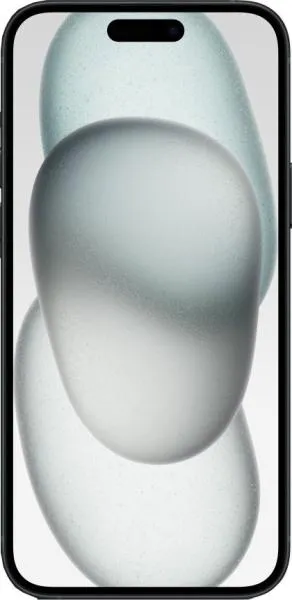
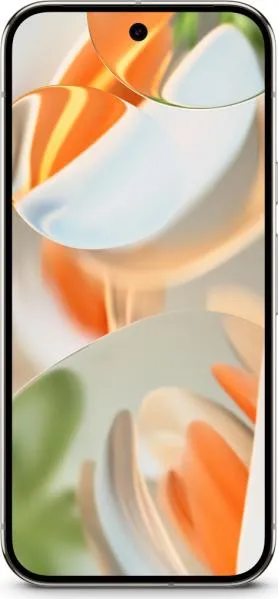
| Dimensions | 160.9 x 77.8 x 7.8 mm | 152.8 x 72 x 8.5 mm | Pixel 9 Pro is noticeably narrower and slightly shorter, making it potentially more comfortable for one-handed use. The iPhone 15 Plus is thinner. |
| Weight | 201 g | 199 g | Negligible weight difference in real-world usage. |
| Build Materials | Not specified | Not specified | Cannot compare build quality and durability without material information. |
| Display | |||
| Size | 6.7 inches | 6.3 inches | iPhone 15 Plus offers a larger screen for media consumption and multitasking. |
| Type | Super Retina XDR OLED | LTPO OLED | Both are high-quality displays. LTPO on the Pixel allows for dynamic refresh rate adjustment, potentially saving battery. |
| Resolution | 1290 x 2796 | 1280x2856 | Comparable pixel density, resulting in sharp visuals on both devices. |
| Refresh Rate | Not specified | 120Hz | 120Hz on the Pixel 9 Pro delivers smoother scrolling and animations compared to a standard 60Hz likely on the iPhone (though not confirmed). |
| Peak Brightness | 2000 nits | 3000 nits | Pixel 9 Pro offers superior visibility in direct sunlight. |
| Performance | |||
| Chipset | Apple A16 Bionic (4 nm) | Google Tensor G4 (4 nm) | Both are powerful chips, but real-world performance can vary based on optimization. |
| CPU | Hexa-core (2x3.46 GHz + 4x2.02 GHz) | Octa-core (1x3.1 GHz + 3x2.6 GHz + 4x1.92 GHz) | Core configurations differ, but practical performance depends on workload and software optimization. |
| GPU | Apple GPU (5-core) | Mali-G715 MC7 | Gaming and graphics-intensive tasks might perform differently. Direct comparison requires benchmarks. |
| RAM | 6GB | 16GB | Pixel 9 Pro's significantly higher RAM enables better multitasking and app retention. |
| Battery | |||
| Capacity | 4383 mAh | 4700 mAh | Pixel 9 Pro has a larger battery capacity, potentially leading to longer battery life. Real-world usage will vary. |
| Other | |||
| OS | iOS 17 | Android 14 | Different operating systems cater to different user preferences and ecosystems. |
| Storage | 256GB/512GB | 256GB/512GB/1TB | Pixel 9 Pro offers a 1TB storage option for users needing ample space. |
| Price Range | Medium | High | Pixel 9 Pro is positioned as a more premium device. |
2. Key Differences Analysis
iPhone 15 Plus Advantages:
- Larger Display: More immersive media consumption.
- Potentially Longer Software Support: Apple's history of long OS updates.
Pixel 9 Pro Advantages:
- Higher Refresh Rate Display: Smoother user experience.
- Brighter Display: Better outdoor visibility.
- More RAM: Superior multitasking.
- Larger Battery: Potential for longer battery life.
- More versatile Camera features: 8K video recording and advanced computational photography features (implied, not explicitly stated).
Trade-offs:
- Price: Pixel 9 Pro is more expensive.
- Operating System: Preference for iOS vs. Android is subjective.
3. User Profiles & Recommendations
iPhone 15 Plus: Users prioritizing a large display, within a more manageable budget, a seamless user experience within the Apple ecosystem, and long-term software updates.
Pixel 9 Pro: Users who value cutting-edge technology, a smooth and responsive display, excellent camera capabilities, extensive multitasking, and prefer the flexibility of the Android ecosystem. Power users and photography enthusiasts.
4. Decision Framework
Key Questions:
- What is your budget? The Pixel 9 Pro commands a premium price.
- Which operating system do you prefer? iOS and Android offer distinct experiences.
- What are your primary use cases? (e.g., media consumption, gaming, photography)
My Choice: Google Pixel 9 Pro
While the iPhone 15 Plus offers a compelling large screen experience within the Apple ecosystem, the Pixel 9 Pro's superior display technology (higher refresh rate and brightness), significantly larger RAM, larger battery, and potentially more advanced camera features (implied by 8K video) make it the more compelling device for me. I prioritize a fluid user experience, strong multitasking capabilities, and the latest advancements in mobile technology. The higher price is justified by these tangible benefits. The flexibility and customization options of the Android OS are also a strong factor in my decision. While I acknowledge Apple's strength in long-term software support, the Pixel 9 Pro's advanced features better suit my needs and preferences.
