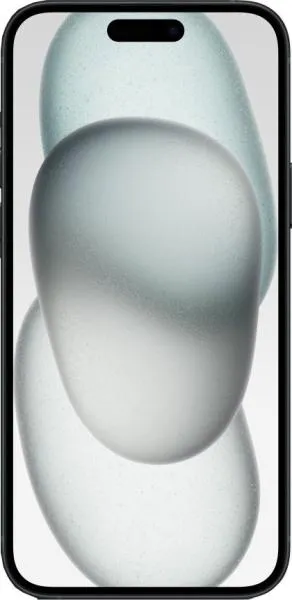
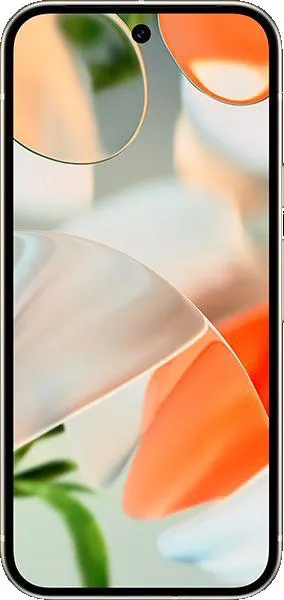
1. Specifications Comparison
| Feature | Apple iPhone 15 Plus | Google Pixel 9 | Practical Impact |
|---|---|---|---|
| Design | |||
| Dimensions | 160.9 x 77.8 x 7.8 mm | 152.8 x 72 x 8.5 mm | Pixel 9 is noticeably smaller and slightly thicker. iPhone 15 Plus is taller and wider. |
| Weight | 201g | 198g | Negligible weight difference in real-world usage. |
| Build | No information provided | No information provided | Cannot compare build quality without material information |
| Display | |||
| Size | 6.7" | 6.3" | iPhone 15 Plus offers a larger screen for media consumption. |
| Type | Super Retina XDR OLED | OLED | Both are high-quality displays, but Apple's typically boasts better color accuracy and calibration. |
| Resolution | 1290 x 2796 | 1080 x 2424 | iPhone has a sharper display due to higher resolution and pixel density. |
| Refresh Rate | Not specified | 120Hz | Pixel 9's 120Hz offers smoother scrolling and animations. Lack of iPhone refresh rate information hinders comparison. |
| Peak Brightness | 2000 nits | 2700 nits | Pixel 9 should be more visible in direct sunlight. |
| Performance | |||
| Chipset | Apple A16 Bionic (4 nm) | Google Tensor G4 (4 nm) | Both are powerful chips, but A16 generally benchmarks higher in raw performance. Tensor G4 is expected to excel in AI and machine learning tasks. |
| CPU | Hexa-core | Octa-core | Core count doesn't directly translate to performance; architecture and optimization are crucial. |
| GPU | Apple GPU (5-core) | Mali-G715 MC7 | Apple's GPUs typically offer superior gaming performance. |
| RAM | 6GB | 12GB | Pixel 9's larger RAM could allow for better multitasking and app retention. |
| Storage | 256GB/512GB | 256GB | iPhone offers a 512GB option for users needing more storage. |
| Battery | |||
| Capacity | 4383 mAh | 4700 mAh | Pixel 9 has a larger battery capacity, potentially leading to longer battery life. Real-world usage varies. |
| Software | |||
| OS | iOS 17 | Android 14 | Different operating systems cater to different user preferences and ecosystems. |
| Other | |||
| Sensors | Face ID, accelerometer, gyro, proximity, compass, barometer | accelerometer, gyro, proximity, compass, barometer, Fingerprint (under display) | Pixel offers fingerprint sensor as an alternative biometric unlock option. |
2. Key Differences Analysis
iPhone 15 Plus Advantages:
- Display Sharpness: Higher resolution and PPI lead to a crisper image.
- Performance (likely): A16 Bionic historically outperforms Google's Tensor chips in benchmarks, especially in graphics.
- Larger Storage Option: Availability of a 512GB model.
Pixel 9 Advantages:
- Higher Refresh Rate: Smoother UI experience due to 120Hz refresh rate.
- Brighter Display: Better visibility in sunlight.
- Larger Battery: Potentially longer battery life.
- More RAM: Improved multitasking and app retention.
- Fingerprint Sensor: Provides an alternative biometric unlock method.
Trade-offs: Choosing the iPhone potentially sacrifices smoother scrolling and longer battery life for potentially better performance and a sharper display. Choosing the Pixel could mean sacrificing some performance and display sharpness for a smoother display, larger battery, and more RAM.
3. User Profiles & Recommendations
iPhone 15 Plus Ideal User: Users prioritizing a premium display, strong performance, and a seamless integration with the Apple ecosystem. Suitable for demanding tasks like gaming and video editing.
Pixel 9 Ideal User: Users prioritizing smooth scrolling, long battery life, and a pure Android experience with Google's AI features. Suitable for users who heavily multitask or prefer a responsive UI.
4. Decision Framework
Key Questions for Buyers:
- Which operating system do you prefer? iOS and Android offer distinct experiences.
- Is display sharpness or smoothness more important to you? Consider whether you prioritize resolution/PPI or refresh rate.
- How important is battery life? If all-day battery is crucial, the Pixel 9's larger battery might be preferable.
Scenario-Based Recommendations:
- Heavy Gamer: iPhone 15 Plus (likely better GPU performance).
- Power User: Pixel 9 (more RAM and potentially longer battery life).
- Casual User: Either phone would likely suffice, depending on OS preference.
My Choice: Google Pixel 9
While the iPhone 15 Plus likely offers a performance advantage and a sharper display, the Pixel 9's 120Hz refresh rate, larger battery, and additional RAM are more compelling to me. I prioritize a smooth and responsive user experience, and I value the flexibility of Android. The fingerprint sensor is also a welcome addition. While the lack of specific information regarding the iPhone's refresh rate hinders a complete comparison, the currently available data points towards the Pixel 9 as a better fit for my personal needs and preferences. The potential trade-off in raw performance is acceptable considering the benefits gained in other areas.
