1. Specifications Comparison
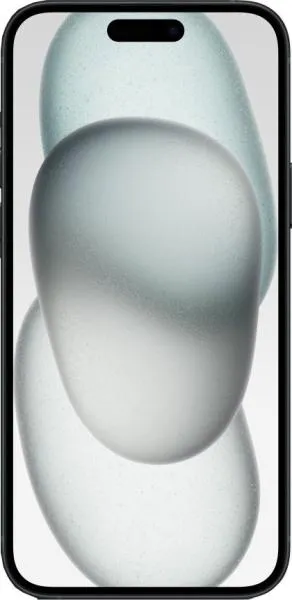
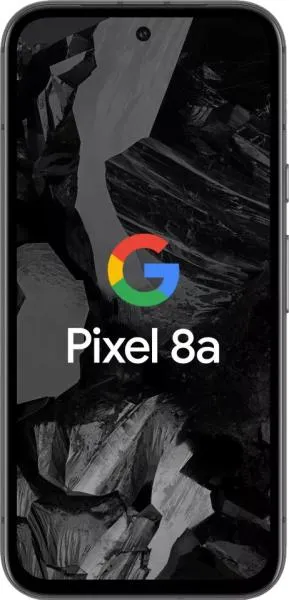
| Feature | Apple iPhone 15 Plus | Google Pixel 8a | Practical Impact |
|---|---|---|---|
| Design | |||
| Dimensions | 160.9 x 77.8 x 7.8 mm | 152.1 x 72.7 x 8.9 mm | Pixel 8a is noticeably smaller and slightly thicker. More pocketable for some, but potentially less comfortable for large hands. |
| Weight | 201g | 188g | Pixel 8a is lighter, reducing hand fatigue during extended use. |
| Build Materials | Unspecified | Unspecified | Build quality and durability cannot be compared without further information. |
| Display | |||
| Display Size | 6.7" | 6.1" | iPhone 15 Plus offers a significantly larger screen for media consumption and multitasking. |
| Display Type | Super Retina XDR OLED | OLED | Both are OLED, offering vibrant colors and deep blacks. iPhone boasts superior HDR capabilities with Dolby Vision. |
| Resolution | 1290 x 2796 | 1080 x 2400 | iPhone 15 Plus has a sharper display due to higher resolution. |
| Refresh Rate | Unspecified (Likely 60Hz) | 120Hz | Pixel 8a's 120Hz refresh rate will provide a smoother, more responsive user experience for scrolling and gaming. |
| Peak Brightness | 2000 nits | 2000 nits | Both offer excellent outdoor visibility. |
| Performance | |||
| Chipset | Apple A16 Bionic (4 nm) | Google Tensor G3 (4 nm) | A16 is generally considered more powerful in benchmarks, potentially offering better performance in demanding tasks. Tensor G3 is optimized for AI and machine learning tasks. |
| CPU | Hexa-core | Octa-core | Core count doesn't directly translate to performance; architecture and clock speeds matter more. Real-world performance differences require benchmarking. |
| GPU | Apple GPU (5-core) | Immortalis-G715s MC10 | Gaming performance likely favors the A16, but real-world comparisons are needed. |
| RAM | 6GB | 8GB | Pixel 8a's extra RAM could improve multitasking and app switching performance. |
| Battery | |||
| Capacity | 4383 mAh | 4492 mAh | Pixel 8a has a slightly larger battery. Actual battery life depends on optimization and usage patterns. |
| Other | |||
| OS | iOS 17 | Android 14 | OS preference is subjective. iOS is known for simplicity and privacy; Android offers more customization. |
| Storage | 256GB/512GB | 256GB | iPhone offers a 512GB option for users needing more storage. |
| Biometrics | Face ID | Fingerprint (under display) | User preference dependent. Face ID is generally faster, fingerprint sensors are more reliable in various conditions. |
| Charging Speed | Unspecified | Unspecified | Charging speed comparison not possible without data. |
2. Key Differences Analysis
iPhone 15 Plus Advantages:
- Larger, sharper display with superior HDR.
- Likely superior processing power for demanding tasks.
- Potentially longer software support lifecycle.
Pixel 8a Advantages:
- Higher refresh rate display for smoother visuals.
- More RAM for improved multitasking.
- Slightly larger battery capacity.
- Potentially faster fingerprint unlock.
- More affordable (implied by older release date and specs).
3. User Profiles & Recommendations
iPhone 15 Plus: Users prioritizing a large, high-quality display for media consumption, a powerful processor, and a premium ecosystem. Suitable for those invested in the Apple ecosystem.
Pixel 8a: Users prioritizing a smooth display, reliable performance, a clean Android experience, and potentially a more affordable option. Good for users who value software features powered by Google's AI.
4. Decision Framework
Key Questions:
- What screen size and quality do you prioritize? Large and sharp vs. smooth and responsive.
- Which operating system do you prefer? iOS vs. Android.
- What is your budget? Considering the iPhone 15 Plus is a year older, the Pixel 8a is likely more affordable.
My Choice: Google Pixel 8a
While the iPhone 15 Plus boasts a superior display in terms of resolution and HDR, the Pixel 8a's 120Hz refresh rate is a significant factor for me. The smoother user experience, combined with the cleaner Android OS (personal preference), slightly larger battery, and likely lower price point makes the Pixel 8a the more compelling device. The extra RAM is also a welcome addition for multitasking. While the A16 Bionic is likely a more powerful chip, the Tensor G3's focus on AI and everyday tasks aligns better with my typical usage. Ultimately, the Pixel 8a offers a more balanced package that prioritizes features I value most in a smartphone.
