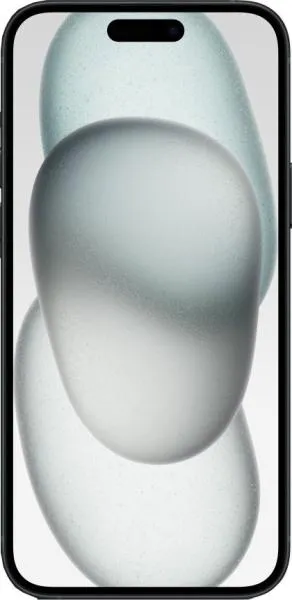

1. Specifications Comparison
| Feature | Apple iPhone 15 Plus | Google Pixel 8 Pro | Practical Impact |
|---|---|---|---|
| Design | |||
| Dimensions | 160.9 x 77.8 x 7.8 mm | 162.6 x 76.5 x 8.8 mm | Pixel 8 Pro is slightly larger and thicker. |
| Weight | 201g | 213g | Pixel 8 Pro is noticeably heavier. |
| Build | Glass front/back, stainless steel frame | Glass front/back, aluminum frame | iPhone's stainless steel frame may offer better durability. Missing frame material for Pixel. |
| Display | |||
| Size | 6.7" | 6.7" | Same screen size. |
| Type | Super Retina XDR OLED | LTPO OLED | Both offer excellent color and contrast. |
| Resolution | 1290 x 2796 | 1344 x 2992 | Pixel 8 Pro has a slightly higher resolution, but the difference is negligible in real-world use. |
| Refresh Rate | Unspecified | 120Hz | Pixel 8 Pro's 120Hz offers smoother scrolling and animations. Missing refresh rate for iPhone, limiting analysis. |
| Peak Brightness | 2000 nits | 2400 nits | Pixel 8 Pro should be more visible in direct sunlight. |
| Performance | |||
| Chipset | Apple A16 Bionic (4 nm) | Google Tensor G3 (4 nm) | Both are high-end chipsets, but real-world performance comparisons are needed beyond specifications. |
| CPU | Hexa-core | Nona-core | Core count doesn't directly translate to performance; architecture and optimization matter more. |
| GPU | Apple GPU (5-core graphics) | Immortalis-G715s MC10 | Requires benchmarking for practical comparison. |
| RAM | 6GB | 12GB | Pixel 8 Pro's larger RAM allows for more efficient multitasking and app switching. |
| Storage | 256GB/512GB | 256GB/512GB/1TB | Pixel offers a 1TB storage option for users needing extensive local storage. |
| Battery | |||
| Capacity | 4383 mAh | 5050 mAh | Pixel 8 Pro has a significantly larger battery, likely resulting in longer battery life. |
| Software | |||
| OS | iOS 17 | Android 14 | Different operating systems cater to different user preferences and ecosystems. |
| OS Updates | Up to iOS 18 (estimated) | Up to Android 21 (estimated) | Pixel 8 Pro is expected to receive longer software support. |
2. Key Differences Analysis
iPhone 15 Plus Advantages:
- Potentially more durable due to stainless steel frame.
- A16 Bionic chip has a proven track record of excellent performance.
Pixel 8 Pro Advantages:
- Higher resolution and refresh rate display for smoother visuals.
- Brighter display for better outdoor visibility.
- Significantly larger battery capacity for longer usage.
- More RAM for smoother multitasking.
- Longer software support commitment.
- More storage options, up to 1TB.
3. User Profiles & Recommendations
iPhone 15 Plus: Users prioritizing a familiar iOS experience, a potentially more durable design, and who value the established Apple ecosystem.
Pixel 8 Pro: Users who prioritize the latest Android features, a smooth and bright display, long battery life, extensive software updates, and ample storage. Photography enthusiasts might also prefer the Pixel due to Google's computational photography expertise (though camera specifics weren't provided for comparison).
4. Decision Framework
Key Questions for Buyers:
- Operating System Preference: iOS or Android?
- Battery Life Importance: How crucial is all-day battery life without charging?
- Display Priorities: How important is a high refresh rate and peak brightness?
Scenario-Based Recommendations:
- Heavy User: Pixel 8 Pro due to larger battery and RAM.
- iOS Loyalists: iPhone 15 Plus for ecosystem familiarity.
- Display Enthusiast: Pixel 8 Pro for smoother and brighter display.
My Choice: Google Pixel 8 Pro
While lacking specific camera details for comparison, the Pixel 8 Pro's significantly larger battery, higher refresh rate display, brighter screen, more RAM, and longer software support make it the more compelling device for me. The slightly larger size and weight are minor trade-offs for these substantial benefits. The 120Hz display alone makes a significant difference in daily use, providing a smoother and more responsive experience. Furthermore, the commitment to longer software updates ensures the device remains relevant and secure for an extended period. While the A16 Bionic is a powerful chip, the overall package offered by the Pixel 8 Pro better suits my needs for a long-lasting, future-proof device with a premium display.
