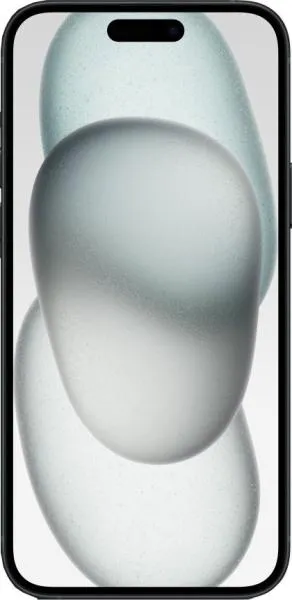
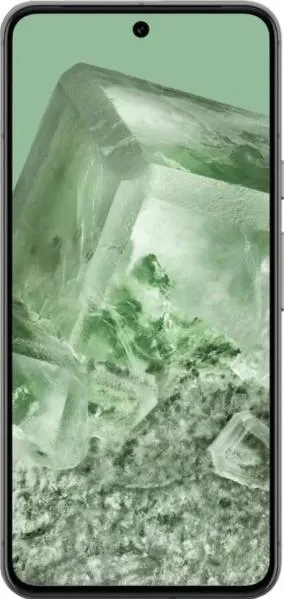
1. Specifications Comparison
| Feature | Apple iPhone 15 Plus | Google Pixel 8 | Practical Impact |
|---|---|---|---|
| Design | |||
| Dimensions | 160.9 x 77.8 x 7.8 mm | 150.5 x 70.8 x 8.9 mm | Pixel 8 is noticeably smaller and slightly thicker. More pocketable, but potentially less comfortable for one-handed use for larger hands. |
| Weight | 201g | 187g | Pixel 8 is lighter, reducing fatigue during extended use. |
| Build | Glass front/back, Stainless Steel frame | Glass front/back, Aluminum frame | iPhone 15 Plus likely more durable due to stainless steel frame. |
| Display | |||
| Size | 6.7" | 6.2" | iPhone 15 Plus offers a larger screen for more immersive content consumption. |
| Type | Super Retina XDR OLED | OLED | Both are high-quality OLED displays with excellent color accuracy and deep blacks. |
| Resolution | 1290 x 2796 | 1080 x 2400 | iPhone has a sharper display due to higher resolution and pixel density (460 vs 428 ppi). Noticeable in text clarity and image sharpness. |
| Refresh Rate | Not specified | 120Hz | Pixel 8's 120Hz provides smoother scrolling and animations, resulting in a more fluid user experience. Lack of info for the iPhone hinders direct comparison. |
| Peak Brightness | 2000 nits | 2000 nits | Both offer excellent outdoor visibility. |
| Performance | |||
| Chipset | Apple A16 Bionic (4 nm) | Google Tensor G3 (4 nm) | A16 historically outperforms Tensor in benchmarks. Expect faster app loading, smoother multitasking, and better gaming performance on the iPhone. Real-world differences depend heavily on optimization for each chipset. |
| CPU | Hexa-core | Nona-core | Core count doesn't directly translate to performance. A16's architecture and optimization are key factors. |
| GPU | Apple GPU (5-core) | Immortalis-G715s MC10 | A16 generally offers superior graphics performance for demanding games and applications. |
| RAM | 6GB | 8GB | Pixel 8 having more RAM may provide better multitasking and app switching performance, especially with many apps open in the background. |
| Battery | |||
| Capacity | 4383 mAh | 4575 mAh | Pixel 8 has a slightly larger battery. Actual battery life depends on usage patterns and software optimization. |
| Other | |||
| OS | iOS 17 | Android 14 | Different operating systems cater to different user preferences and ecosystems. |
| Storage | 256GB/512GB | 256GB | iPhone offers a 512GB storage option for users needing more space. Limited information on Pixel 8 storage options. |
| Sensors | Face ID, accelerometer, gyro, proximity, compass, barometer | Fingerprint (under display), accelerometer, gyro, proximity, compass, barometer | Biometric unlock preference is subjective. Face ID allows for quick unlocking without touching the device, while an under-display fingerprint sensor offers a different level of convenience and security. |
2. Key Differences Analysis
iPhone 15 Plus Advantages:
- Performance: Generally more powerful with the A16 Bionic chip.
- Display Sharpness: Higher resolution display for crisper visuals.
- Premium Build: Stainless steel frame. Larger screen size.
Pixel 8 Advantages:
- Higher Refresh Rate Display: Smoother scrolling and animations (120Hz).
- Larger Battery: Potentially longer battery life.
- Latest Android OS: Access to newest Android features and longer OS support timeframe.
- Under-display Fingerprint Sensor: An alternative biometric option.
3. User Profiles & Recommendations
iPhone 15 Plus: Users prioritizing performance, a larger, sharper display, and a premium build quality within the Apple ecosystem. Ideal for gaming, media consumption, and demanding tasks.
Pixel 8: Users who value a smooth display experience, potentially longer battery life, the latest Android features, and a more compact form factor. Excellent for everyday use, photography, and benefiting from Google's AI integrations.
4. Decision Framework
Key Questions for Buyers:
- Operating System Preference: iOS or Android?
- Performance vs. Smoothness: Raw power or a higher refresh rate display?
- Size and Build: Larger and more premium or smaller and lighter?
My Choice: Google Pixel 8
While the iPhone 15 Plus boasts a more powerful processor and sharper display, the Pixel 8's 120Hz refresh rate, combined with the pure Android experience and anticipated software updates for a longer period, makes it the more compelling device for me. I prioritize the fluidity of the user interface and the longer software support window. The slightly smaller size is also preferable for my one-handed usage preferences. Finally, while benchmarks favor the A16, I value the AI-focused features Google typically bakes into its phones and expect the Tensor G3 to handle my daily tasks without issue.
