
1. Specifications Comparison
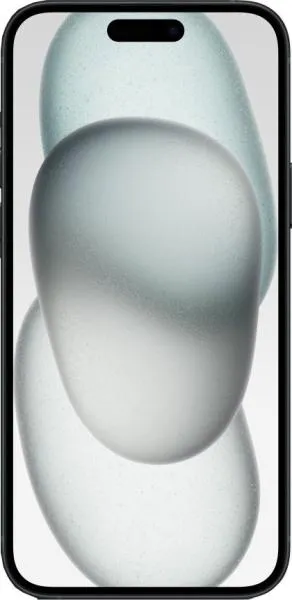
| Feature | Apple iPhone 15 Plus | Cubot KingKong X | Practical Impact |
|---|---|---|---|
| Design | |||
| Dimensions | 160.9 x 77.8 x 7.8 mm | 170.9 x 82.2 x 18.7 mm | iPhone 15 Plus is significantly thinner and lighter, making it more pocketable and comfortable for one-handed use. KingKong X is much larger and heavier, indicating a rugged, potentially more durable design. |
| Weight | 201g | 388g | Reinforces the difference in portability and build. KingKong X's weight suggests a robust construction, possibly with enhanced durability features. |
| Build Materials | Not specified | Not specified | Cannot compare durability and premium feel without this information. |
| Display | |||
| Display Type | Super Retina XDR OLED | IPS LCD | iPhone's OLED offers superior contrast, deeper blacks, and more vibrant colors. KingKong X's IPS LCD is generally less power-efficient and has narrower viewing angles. |
| Size | 6.7" | 6.58" | Negligible difference in screen real estate. |
| Resolution | 1290 x 2796 | 1080 x 2408 | iPhone has a much sharper display (460 ppi vs 401 ppi), resulting in crisper text and images. |
| Refresh Rate | Not specified | 120Hz | Higher refresh rate on KingKong X results in smoother scrolling and animations. iPhone's refresh rate is likely 60Hz, which is standard but less fluid. |
| Peak Brightness | 2000 nits | Not specified | iPhone's significantly higher peak brightness ensures better visibility in direct sunlight. |
| Performance | |||
| Chipset | Apple A16 Bionic (4 nm) | MediaTek Dimensity 7050 (6 nm) | A16 is a flagship chipset known for its exceptional performance and efficiency. Dimensity 7050 is a mid-range chipset, offering decent performance but likely less powerful than the A16. |
| CPU | Hexa-core (2x3.46 GHz + 4x2.02 GHz) | Octa-core (2x2.6 GHz + 6x2.0 GHz) | Core count alone doesn't determine performance. A16's architecture and higher clock speeds likely give it a significant performance advantage in demanding tasks. |
| GPU | Apple GPU (5-core) | Mali-G68 MC4 | Apple's GPUs are known for their strong performance. While Mali-G68 is capable, the A16's GPU likely offers superior gaming and graphics performance. |
| RAM | 6GB | 16GB | More RAM on KingKong X could improve multitasking and app switching performance. However, iOS's memory management is highly optimized, so 6GB can still be very efficient on the iPhone. |
| Storage | 256/512GB | 512GB | Comparable storage options at the high end. |
| Battery | |||
| Capacity | 4383 mAh | 10200 mAh | KingKong X has a massively larger battery, suggesting significantly longer battery life. |
| Camera | |||
| Video Capabilities | Up to 4K@60fps, 1080p@240fps | Up to 4K@30fps, 1080p@30fps | iPhone offers more advanced video recording options with higher resolution and frame rates, including slow-motion capabilities. Missing detailed camera specs limit a full comparison. |
| Other | |||
| OS | iOS 17 | Android 14 | Different operating systems cater to different user preferences. iOS is known for its simplicity and tight integration, while Android offers more customization options. |
| Price Range | Medium | Medium | Suggests comparable pricing, making value for money a key consideration. |
2. Key Differences Analysis
iPhone 15 Plus Advantages:
- Superior Display: OLED technology with higher resolution and brightness.
- Significantly Faster Performance: A16 Bionic chip offers a substantial advantage.
- Premium Design: Thinner, lighter, and likely more premium materials (though unspecified).
- More Advanced Video Recording: Higher resolutions and frame rates.
Cubot KingKong X Advantages:
- Much Larger Battery: Potentially significantly longer battery life.
- Higher Refresh Rate Display: Smoother scrolling and animations.
- More RAM: Could benefit multitasking, though real-world impact depends on OS optimization.
3. User Profiles & Recommendations
iPhone 15 Plus: Users who prioritize performance, display quality, premium design, a refined user experience, and a robust app ecosystem. Ideal for demanding tasks, content consumption, and mobile photography/videography.
Cubot KingKong X: Users who prioritize extremely long battery life, a smooth display, and potentially a more rugged device. Suitable for users who need a phone that can last for extended periods without charging, or those who work in demanding environments.
4. Decision Framework
Key Questions:
- What is your budget and what do you value most in a smartphone? Performance, battery life, display, camera, or software experience?
- What is your typical usage pattern? Heavy gaming, media consumption, productivity, or basic communication?
- Do you prioritize a premium, sleek design or a rugged, long-lasting device?
My Choice: Apple iPhone 15 Plus
While the Cubot KingKong X offers a compelling advantage with its massive battery and high refresh rate screen, the iPhone 15 Plus's superior performance, stunning display, and overall refined experience make it the better choice for me. I prioritize a smooth and responsive user experience, a high-quality display for media consumption, and a powerful device for demanding tasks and gaming. The A16 Bionic chip's significant performance advantage and iOS's optimized ecosystem are compelling factors. While the KingKong X's battery life is tempting, I'm willing to compromise on battery for a more well-rounded and powerful device. The lack of detailed camera specifications for the KingKong X also makes it difficult to fully assess its capabilities. Ultimately, the iPhone 15 Plus aligns better with my personal preferences and usage needs.
