1. Specifications Comparison
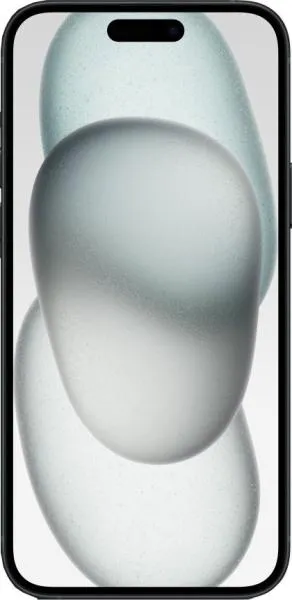
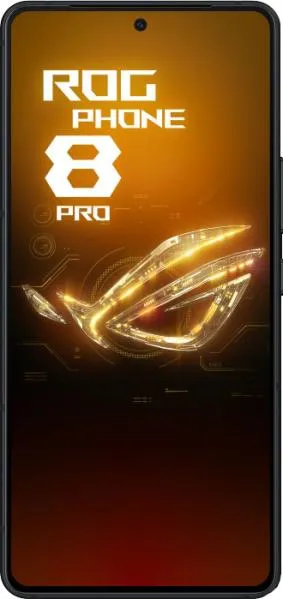
| Feature | Apple iPhone 15 Plus | Asus ROG Phone 8 Pro | Practical Impact |
|---|---|---|---|
| Design | |||
| Dimensions | 160.9 x 77.8 x 7.8 mm | 163.8 x 76.8 x 8.9 mm | ROG Phone 8 Pro is slightly larger and thicker. |
| Weight | 201g | 225g | ROG Phone 8 Pro is noticeably heavier. |
| Build | Glass front/back, aluminum frame | Missing | Material differences impact durability and premium feel. Information needed for ROG Phone 8 Pro. |
| Display | |||
| Size | 6.7" | 6.78" | Negligible size difference. |
| Type | Super Retina XDR OLED | LTPO AMOLED | Both offer excellent color accuracy and deep blacks. |
| Resolution | 1290 x 2796 | 1080 x 2400 | iPhone has a sharper display due to higher pixel density (460ppi vs 388ppi). Noticeable in text and fine details. |
| Refresh Rate | Missing | 165Hz | Higher refresh rate on ROG Phone 8 Pro results in smoother animations and scrolling, especially beneficial for gaming. Missing info for iPhone limits comparison. |
| Peak Brightness | 2000 nits | 2500 nits | ROG Phone 8 Pro offers better visibility in direct sunlight. |
| Performance | |||
| Chipset | Apple A16 Bionic (4 nm) | Qualcomm Snapdragon 8 Gen 3 (4 nm) | Both are top-tier chipsets offering excellent performance. Cross-platform benchmarks needed for direct comparison. |
| CPU | Hexa-core | Octa-core | Core count doesn't directly translate to performance; architecture and optimization are key. |
| GPU | Apple GPU (5-core) | Adreno 750 | Gaming performance likely favors Adreno 750, but real-world testing is needed. |
| RAM | 6GB | 24GB | Significantly more RAM on ROG Phone 8 Pro allows for more apps to run in the background and better multitasking, especially beneficial for heavy users and gamers. |
| Storage | 256/512GB | 1000GB | ROG Phone 8 Pro offers substantially more storage. |
| Battery | |||
| Capacity | 4383 mAh | 5500 mAh | ROG Phone 8 Pro has a significantly larger battery, likely leading to longer battery life. Real-world usage varies. |
| Camera | |||
| Details | Missing for both | Missing for both | Comprehensive camera specifications (sensor size, aperture, features) are needed for meaningful comparison. |
| Video | Up to 4K@60fps, 1080p@240fps | Up to 8K@24fps, 720p@480fps | Both offer extensive video recording capabilities. ROG Phone offers higher resolution but iPhone offers higher frame rates at 1080p, useful for slow-motion. |
2. Key Differences Analysis
iPhone 15 Plus Advantages:
- Sharper Display: Higher pixel density results in crisper visuals.
- Potentially Better Optimized Software: iOS is known for its optimization with Apple hardware.
ROG Phone 8 Pro Advantages:
- Higher Refresh Rate Display: Smoother visuals, especially for gaming.
- Significantly More RAM and Storage: Superior multitasking and ample space for files.
- Larger Battery: Potentially longer battery life.
- Higher Peak Brightness: Better outdoor visibility.
3. User Profiles & Recommendations
iPhone 15 Plus: Users who prioritize a refined user experience, a sharp display, and a compact form factor. Suitable for everyday tasks, content consumption, and casual gaming.
ROG Phone 8 Pro: Gamers, power users, and content creators who demand top-tier performance, a high refresh rate display, ample storage, and long battery life.
4. Decision Framework
Key Questions for Buyers:
- What is your primary use case? (Gaming, everyday tasks, content creation)
- What is your budget? (Consider price difference between storage options)
- Which operating system do you prefer? (iOS vs. Android)
Scenario-Based Recommendations:
- Gamer: ROG Phone 8 Pro for its high refresh rate, powerful hardware, and large battery.
- Everyday User: iPhone 15 Plus for its ease of use, sharp display, and compact design.
- Content Creator: ROG Phone 8 Pro for its large storage, powerful performance, and extensive video capabilities.
My Choice: Asus ROG Phone 8 Pro
While I appreciate the refined experience of iOS and the sharper display of the iPhone 15 Plus, the ROG Phone 8 Pro's superior performance, massive RAM and storage, higher refresh rate display, and larger battery are more compelling for my needs. I value smooth performance, extensive multitasking capabilities, and long battery life, making the ROG Phone 8 Pro the better choice for me. The potential for better gaming performance due to the Adreno 750 GPU and the higher peak brightness for better outdoor visibility further solidify my decision. I am willing to compromise slightly on display sharpness and carry a slightly heavier and larger phone for these significant advantages.
