1. Specifications Comparison
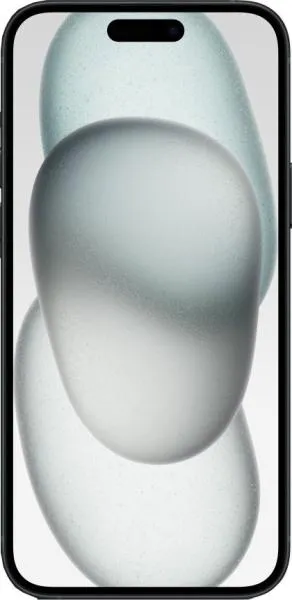
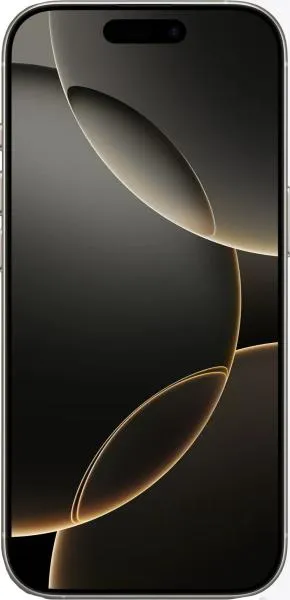
| Feature | iPhone 15 Plus | iPhone 16 Pro | Practical Impact |
|---|---|---|---|
| Design | |||
| Dimensions | 160.9 x 77.8 x 7.8 mm | 149.6 x 71.5 x 8.3 mm | The 16 Pro is noticeably smaller and slightly thicker, making it more pocketable but potentially less comfortable for large hands. |
| Weight | 201g | 199g | Negligible weight difference in real-world usage. |
| Build Materials | Not specified | Not specified | Cannot compare build quality and durability without materials information. |
| Display | |||
| Size | 6.7 inches | 6.3 inches | The 15 Plus offers a larger screen for media consumption and multitasking, while the 16 Pro is more one-hand friendly. |
| Type | Super Retina XDR OLED | LTPO Super Retina XDR OLED | Both offer excellent color accuracy and contrast. LTPO on the 16 Pro allows for a variable refresh rate, leading to smoother scrolling and potentially better battery life. |
| Resolution | 1290 x 2796 | 1206 x 2622 | Similar pixel density (around 460 ppi) resulting in sharp visuals on both. The 15 Plus has a slightly higher resolution due to the larger screen size. |
| Refresh Rate | Not specified | 120Hz | 120Hz on the 16 Pro delivers a significantly smoother and more responsive user experience compared to a standard 60Hz likely found on the 15 Plus. |
| Peak Brightness | 2000 nits | 2000 nits (HBM) | Both offer excellent outdoor visibility. |
| Performance | |||
| Chipset | A16 Bionic (4 nm) | A18 Pro (3 nm) | The A18 Pro in the 16 Pro will offer noticeably faster performance, improved graphics, and better power efficiency due to the newer architecture and manufacturing process. |
| CPU | Hexa-core (2x3.46 GHz + 4x2.02 GHz) | Hexa-core (2x4.05 GHz + 4x2.42 GHz) | Faster clock speeds on the A18 Pro translate to quicker app loading, smoother multitasking, and better performance in demanding tasks. |
| GPU | 5-core | 6-core | The additional GPU core in the 16 Pro significantly improves graphics performance for gaming and other visually intensive applications. |
| RAM | 6GB | 8GB | More RAM on the 16 Pro enables better multitasking and smoother performance with multiple apps open. |
| Storage | 256GB/512GB | 256GB/512GB/1TB | The 16 Pro offers a 1TB storage option for users needing ample space. |
| Battery | |||
| Capacity | 4383 mAh | 3582 mAh | The 15 Plus has a significantly larger battery capacity, likely resulting in longer battery life despite the larger display. |
| Other | |||
| USB | USB Type-C 2.0 | USB Type-C 3.2 Gen 2 | Faster data transfer speeds on the 16 Pro for connecting to external devices and computers. |
| Price Range | Medium | High | The 16 Pro is significantly more expensive. |
2. Key Differences Analysis
iPhone 15 Plus Advantages:
- Larger display for better media consumption.
- Significantly longer battery life.
- Lower price point.
iPhone 16 Pro Advantages:
- Smaller and more pocketable design.
- Smoother 120Hz display.
- Significantly faster performance due to the A18 Pro chip and increased RAM.
- Faster data transfer with USB 3.2 Gen 2.
- Larger storage option (1TB).
Trade-offs: The 15 Plus sacrifices performance and advanced features for a larger display, longer battery life, and a lower price. The 16 Pro prioritizes performance and cutting-edge technology but comes at a premium price and with a smaller battery.
3. User Profiles & Recommendations
iPhone 15 Plus: Ideal for users who prioritize battery life, a large screen for media consumption, and value. Suitable for casual users, media enthusiasts, and those on a budget.
iPhone 16 Pro: Best suited for power users, gamers, professionals who need top-tier performance, and those who value the latest technology and a smooth user experience.
4. Decision Framework
Key Questions:
- What is your budget? The 16 Pro commands a significantly higher price.
- What is your primary use case? Media consumption, casual use, or demanding tasks/gaming?
- Do you prioritize battery life or performance?
Scenario-Based Recommendations:
- Limited Budget: iPhone 15 Plus
- Heavy Gamer: iPhone 16 Pro
- All-Day Battery Life is Crucial: iPhone 15 Plus
- Latest Technology and Smoothest Experience: iPhone 16 Pro
My Choice: iPhone 16 Pro
While the iPhone 15 Plus offers compelling features like a larger display and longer battery life, I would choose the iPhone 16 Pro. The significantly faster A18 Pro chip, smoother 120Hz display, increased RAM, and faster USB connectivity future-proof the device and provide a noticeably better user experience in day-to-day tasks and demanding applications. I prioritize performance and a fluid user experience over screen size and slightly longer battery life. The higher price is a premium I am willing to pay for the significant jump in performance and features. While battery life is important, I'd rather have a faster, more responsive phone and utilize power-saving features or carry a portable charger if needed.
