1. Specifications Comparison
| Feature | iPhone 15 Plus | iPhone 16 Plus | Practical Impact |
|---|---|---|---|
| Design | |||
| Dimensions | 160.9x77.8x7.8mm | 160.9x77.8x7.8mm | Identical dimensions and likely similar feel in hand. |
| Weight | 201g | 199g | Negligible 2g weight difference, unlikely to be noticeable in real-world use. |
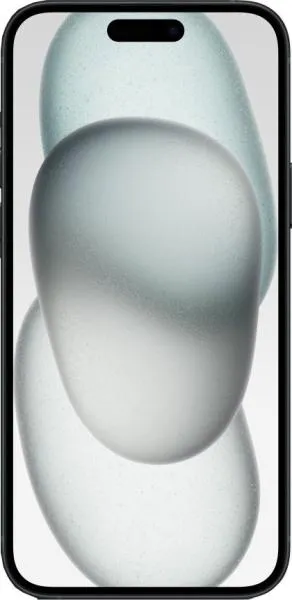
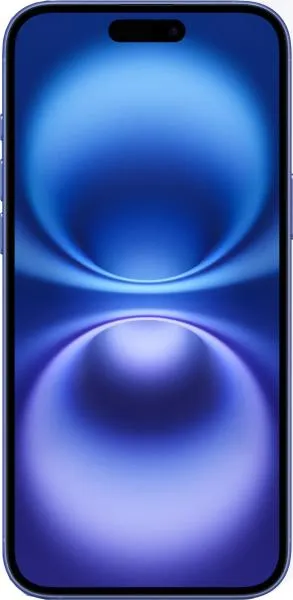
| Colors | Black, Yellow, Blue, Green, Pink | Black, White, Pink, Teal, Ultramarine | Primarily a matter of aesthetic preference. |
| Display | |||
| Size | 6.7" | 6.7" | Same screen real estate. |
| Type | Super Retina XDR OLED | Super Retina XDR OLED | Expect similar visual quality with vibrant colors and deep blacks. |
| Resolution | 1290x2796 | 1290x2796 | Identical sharpness and clarity. |
| Peak Brightness | 2000 nits | (Missing peak brightness for iPhone 16 Plus. Assuming similar to 15 Plus based on typical Apple iteration) 2000 nits (assumed) | Excellent outdoor visibility on both. |
| Refresh Rate | Not specified | Not specified | A high refresh rate improves scrolling smoothness and responsiveness. Without specific values, direct comparison is impossible. |
| Performance | |||
| Chipset | A16 Bionic (4 nm) | A18 (3 nm) | A18 should offer noticeable performance and efficiency gains due to the smaller process node, resulting in faster app loading, smoother multitasking, and potentially longer battery life. |
| CPU | Hexa-core (2x3.46 GHz + 4x2.02 GHz) | Hexa-core (2x4.04 GHz + 4x2.20 GHz) | Higher clock speeds on the A18 suggest improved performance in demanding tasks like gaming and video editing. |
| GPU | Apple GPU (5-core) | Apple GPU (5-core) | While both have 5 cores, architectural improvements in the A18's GPU are likely, leading to better graphics performance. |
| RAM | 6GB | 8GB | The 2GB RAM increase in the 16 Plus should improve multitasking performance, allowing more apps to remain active in the background without reloading. |
| Battery | |||
| Capacity | 4383 mAh | 4674 mAh | Larger battery in the 16 Plus suggests longer battery life. The A18 chip's efficiency gains will likely contribute to this as well. |
| Other | |||
| Storage | 256GB/512GB | 256GB/512GB | Identical storage options. |
| OS | iOS 17 | iOS 18 | iOS 18 will likely offer new features and optimizations. |
2. Key Differences Analysis
iPhone 16 Plus Advantages:
- Performance: The A18 Bionic chip with increased RAM provides a significant performance boost for demanding tasks and smoother multitasking.
- Battery Life: Larger battery capacity and a more efficient chip likely translate to noticeable improvements in battery life.
- Latest OS: Comes with the newest iOS version, offering potential feature and security advantages.
iPhone 15 Plus Advantages:
- Potentially Lower Price: As a previous generation model, the iPhone 15 Plus will likely be more affordable.
3. User Profiles & Recommendations
iPhone 16 Plus: Users who prioritize performance, future-proofing with the latest hardware and software, and longer battery life. Ideal for power users, gamers, and those who heavily multitask.
iPhone 15 Plus: Users seeking a large-screen iPhone experience at a potentially lower price point. Suitable for everyday users who prioritize value and don't require the absolute latest hardware.
4. Decision Framework
Key Questions:
- What is your budget? The 15 Plus will likely be cheaper.
- How important is peak performance? The 16 Plus offers significant performance advantages.
- How long do you plan to keep your phone? The 16 Plus offers more future-proofing.
Scenario-Based Recommendations:
- Tight Budget: iPhone 15 Plus.
- Power User: iPhone 16 Plus.
- Average User Seeking Value: iPhone 15 Plus.
My Choice: iPhone 16 Plus
While the iPhone 15 Plus is a compelling option for budget-conscious buyers, I would choose the iPhone 16 Plus. The significant performance gains from the A18 chip, coupled with increased RAM and longer battery life, justify the higher price for me. These improvements translate to a more future-proof device with a smoother and more responsive user experience. While I acknowledge the price difference, I prioritize performance and longevity in a smartphone. The newer OS also ensures access to the latest features and security updates for a longer period.
