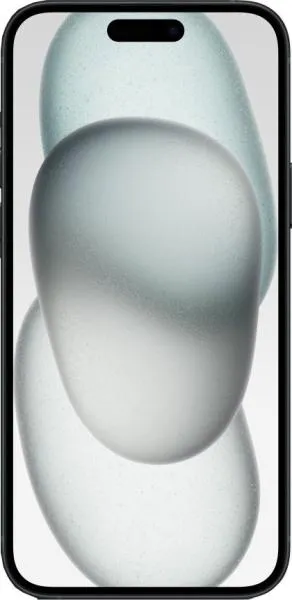
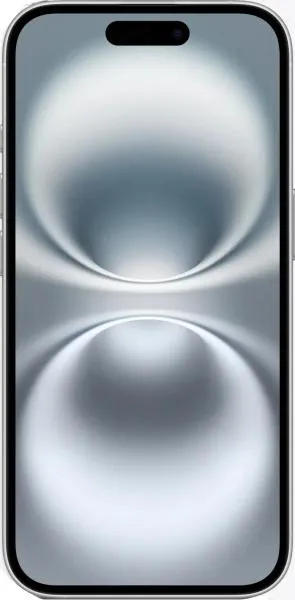
1. Specifications Comparison
| Feature | Apple iPhone 15 Plus | Apple iPhone 16 | Practical Impact |
|---|---|---|---|
| Design | |||
| Dimensions | 160.9 x 77.8 x 7.8 mm | 147.6 x 71.6 x 7.8 mm | iPhone 16 is significantly smaller and potentially easier to handle one-handed. |
| Weight | 201g | 170g | iPhone 16 is noticeably lighter, reducing hand fatigue during extended use. |
| Display | |||
| Size | 6.7" | 6.1" | Larger display on the 15 Plus offers more immersive content consumption but reduced one-handed usability. |
| Type | Super Retina XDR OLED | Super Retina XDR OLED | Both offer vibrant colors and deep blacks thanks to OLED technology. |
| Resolution | 1290 x 2796 | 1179 x 2556 | 15 Plus has a sharper display due to higher resolution, but the difference might not be noticeable in everyday use. |
| Peak Brightness | 2000 nits | Unspecified, but likely similar based on previous models | Both should offer excellent outdoor visibility. Lack of specific value for iPhone 16 limits direct comparison. |
| Refresh Rate | Unspecified | Unspecified | No information provided to compare. A higher refresh rate would result in smoother animations and scrolling. |
| Performance | |||
| Chipset | Apple A16 Bionic (4 nm) | Apple A18 (3 nm) | A18 is expected to be faster and more power-efficient due to the smaller manufacturing process. |
| CPU | Hexa-core (2x3.46 GHz + 4x2.02 GHz) | Hexa-core (2x4.04 GHz + 4x2.20 GHz) | iPhone 16's higher clock speeds suggest improved performance in demanding tasks and multitasking. |
| GPU | Apple GPU (5-core) | Apple GPU (5-core) | While both have 5-core GPUs, the A18's GPU is likely more powerful due to architectural improvements, leading to better gaming and graphics performance. |
| RAM | 6GB | 8GB | More RAM on the iPhone 16 allows for smoother multitasking and less frequent app reloading. |
| Battery | |||
| Capacity | 4383 mAh | 3561 mAh | Significantly larger battery in the 15 Plus likely translates to considerably longer battery life. |
| Other | |||
| Storage | 256GB/512GB | 256GB/512GB | Identical storage options. |
| OS | iOS 17 | iOS 18 | iPhone 16 launches with the newer OS, potentially offering new features and longer software support. |
2. Key Differences Analysis
iPhone 15 Plus Advantages:
- Significantly longer battery life: Larger battery capacity suggests a substantial difference in usage time.
- Larger display: More immersive experience for media consumption and gaming.
iPhone 16 Advantages:
- Smaller and lighter: More comfortable for one-handed use and portability.
- Faster performance: Newer A18 chip promises significant performance gains.
- More RAM: Improved multitasking and app responsiveness.
- Newer OS: Latest features and longer software updates.
3. User Profiles & Recommendations
iPhone 15 Plus: Users who prioritize battery life and a large screen for media consumption, gaming, and productivity on the go.
iPhone 16: Users who value a compact and lightweight design, the latest performance and features, and smoother multitasking.
4. Decision Framework
Key Questions for Buyers:
- How important is battery life? If all-day battery life is crucial, the 15 Plus is the clear winner.
- Do you prefer a large or small phone? Consider one-handed usability and pocket portability.
- Is having the latest and greatest technology a priority? The iPhone 16 boasts newer hardware and software.
Scenario-Based Recommendations:
- Heavy user: iPhone 15 Plus for its superior battery life.
- One-handed user: iPhone 16 for its smaller size and lighter weight.
- Gamer: iPhone 16 for its faster performance and newer GPU.
My Choice: iPhone 16
While the iPhone 15 Plus offers a tempting larger display and significantly longer battery life, I would choose the iPhone 16. The performance gains from the A18 chip, coupled with increased RAM and the latest iOS version, are compelling. The smaller, lighter form factor also aligns better with my preference for one-handed usability. I am willing to compromise slightly on battery life for the overall improved performance and user experience that the iPhone 16 offers. The newer hardware ensures longevity and sustained performance over time, which I value more than a larger screen or slightly longer battery in this particular comparison.
