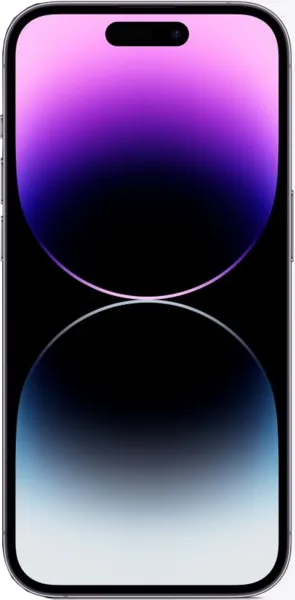
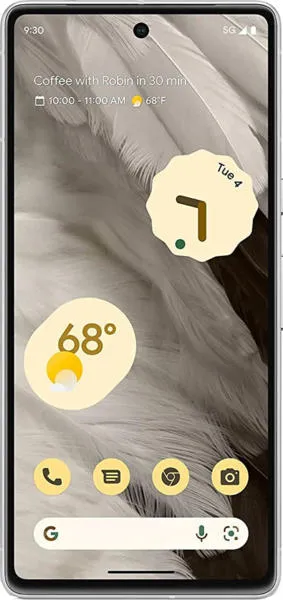
Okay, let's dive deep into the Apple iPhone 14 Pro and Google Pixel 7, breaking down their specs and how they translate to real-world experiences.
1. Specifications Breakdown
Here's a detailed comparison, focusing on practical implications:
| Feature | Apple iPhone 14 Pro | Google Pixel 7 | Real-World Implications |
|---|---|---|---|
| Design | |||
| Dimensions | 147.5 x 71.5 x 7.9 mm, 206g | 155.6 x 73.2 x 8.7 mm, 197g | iPhone 14 Pro is more compact, while the Pixel 7 is slightly taller, wider and thicker; Pixel 7 is a tad lighter. |
| Build Material | Stainless steel, Glass | Aluminum, Glass | Both offer premium feel; Apple's stainless steel is more durable, while the Pixel's aluminum is lighter. |
| Display | |||
| Size | 6.1" | 6.3" | Pixel 7 provides a slightly larger viewing area for content consumption, while 14 Pro is more compact. |
| Resolution | 1179 x 2556 | 1080 x 2400 | iPhone 14 Pro's display is sharper with more pixels, resulting in crisper text and images. |
| Pixel Density (PPI) | 460 | 416 | iPhone 14 Pro offers a higher pixel density, leading to sharper images and text. |
| Technology | OLED | AMOLED | Both offer vibrant colors and deep blacks, virtually identical in visual quality. |
| Refresh Rate | 120Hz | 90Hz | iPhone 14 Pro's 120Hz provides smoother animations and scrolling. |
| Brightness | 2000 nits | 1400 nits | iPhone 14 Pro is significantly more visible outdoors under direct sunlight. |
| Performance | |||
| Chipset | Apple A16 Bionic (4 nm) | Google Tensor G2 (5 nm) | iPhone 14 Pro's A16 offers considerably faster processing for intensive tasks and gaming. |
| AnTuTu Score | 1,474,011 | 827,033 | iPhone 14 Pro demonstrates substantially higher raw performance. |
| GPU | Apple GPU (5-core) | Mali-G710 MP7 | iPhone 14 Pro's GPU delivers better graphics for high-end gaming. |
| Camera | |||
| Main Camera | 48MP f/1.78, 1/1.3" sensor | 50MP f/1.85, 1/1.31" sensor | Both capture excellent photos; iPhone excels in low-light, thanks to processing. Pixel 7 has a very slight edge in image quality. |
| Telephoto Lens | 12MP f/2.8 | None | iPhone 14 Pro offers dedicated optical zoom for better close-ups. |
| Ultrawide Lens | 12MP f/2.2, 1/2.55" sensor | 12MP f/2.2, 1/2.3" sensor | Both capture excellent ultra-wide shots, the pixel having slightly larger pixels. |
| Selfie Camera | 12MP f/1.9 | 10.8MP f/2.2 | iPhone 14 Pro provides slightly better clarity and low light in self-portraits and video. |
| Video Recording | Up to 4K HDR 60fps | Up to 4K HDR 60fps | Both offer great video recording; iPhone’s is more consistent, and the Pixel is a bit softer. |
| Camera Scores | iPhone Pro: Mobile 146, Selfie 145 | Pixel 7: Mobile 140, Selfie 138 | iPhone 14 Pro's camera has an edge in performance in both back and front-facing cameras |
| Battery Life | |||
| Capacity | 3200 mAh | 4355 mAh | Pixel 7 has a larger battery, offering potentially longer use, though efficiency also matters. |
| Charging | 20W wired, 15W MagSafe | 20W wired, 23W wireless | Both charge relatively fast, Pixel 7 offers faster wireless charging and reverse wireless capabilities. |
| Software & Other | |||
| Operating System | iOS 16 (upgradable to 18) | Android 13 (upgradable to 14) | iOS is known for its simplicity, while Android offers greater customizability. |
| RAM | 6 GB | 8 GB | Pixel 7 has more RAM, allowing for smoother multi-tasking. |
| Storage | 128GB/256GB/512GB/1TB | 128GB/256GB | iPhone offers more storage options, while neither phone offers expandable storage. |
| Audio | Dolby Atmos, Digital Plus, DTS | Stereo Speakers | iPhone delivers a richer, more immersive audio experience. |
| Security | Face ID | Fingerprint sensor | Pixel 7 has fingerprint sensor while iPhone 14 Pro uses Face ID |
2. Key Insights
iPhone 14 Pro Strengths:
- Raw Power: The A16 Bionic chip offers superior performance for demanding tasks like gaming, video editing and running heavy applications.
- Display Brilliance: Sharper screen, smoother 120Hz refresh rate, and a much brighter panel that provides excellent outdoor visibility.
- Camera Versatility: The triple-lens system with a dedicated telephoto lens provides optical zoom capabilities for varied shooting scenarios.
- Audio Fidelity: Premium sound, enhanced surround sound, clearer calls, better audio separation and immersion thanks to Dolby Atmos.
- Ecosystem Integration: Seamless integration within the Apple ecosystem, beneficial for users already invested in Apple devices.
Pixel 7 Strengths:
- Battery Longevity: Larger battery coupled with Google's software optimization for longer usage on a single charge.
- Faster Wireless Charging: The 23W wireless charging is significantly faster than the iPhone 14 Pro, which supports 15W with MagSafe and 7.5W with Qi.
- Android Flexibility: Offers a more customizable experience with the ability to sideload applications, tweak settings, and use widgets extensively.
- Affordability: Google phones usually provide a great value proposition, often costing less than their Apple counterparts, which could make it a good choice for price-conscious buyers.
- Fingerprint Sensor: Pixel 7 provides fingerprint sensor for user preference.
Trade-offs:
- iPhone 14 Pro: Can be expensive, lower battery capacity, and its ecosystem can be limiting to those who prefer Android.
- Pixel 7: Less powerful compared to the iPhone 14 Pro, lower refresh rate, display is not as bright, and lacks telephoto lens.
3. User Profiles and Recommendations
- For the Power User (iPhone 14 Pro): If you're a gamer, video editor, or someone who needs the absolute best performance and display, the iPhone 14 Pro is the clear choice. Its ecosystem and software integration also benefit existing Apple users.
- For the Practical User (Google Pixel 7): If you value battery life, faster wireless charging, and Android's flexibility, the Pixel 7 is ideal. It's also a great choice for those looking for a top-tier smartphone at a more affordable price.
- For the Photographer: If your needs revolve around capturing and editing videos in high-quality settings and a zoom lens is your main necessity, the iPhone will be a better option. If photos are your main focus, both phones are great choices, but with a small advantage for the Pixel 7.
- For the Casual User: Either phone will work well, but the Pixel 7 may be better if you prefer a larger display and a more customizable software experience. If the user already has an iPhone, it might be worth just staying with it.
4. Buying Decision Framework
To help you choose, ask yourself these questions:
- What’s more important, raw power or battery life?
- If raw power and display quality are essential, the iPhone 14 Pro is better.
- If battery life and flexibility are key, the Pixel 7 is the better choice.
- How important is a telephoto zoom lens for your photography?
- If optical zoom is necessary, the iPhone 14 Pro is the clear choice.
- If you're happy with just digital zoom, the Pixel 7 will suffice.
- What is your preferred ecosystem and level of customisation?
- If you love Apple's ecosystem, the iPhone is the better choice.
- If you desire Android's customizability and more open experience, the Pixel 7 is the preferred option.
Scenario-Based Recommendations:
- Scenario 1: You're a professional who needs a reliable, powerful device for on-the-go video editing and content creation – iPhone 14 Pro is the winner.
- Scenario 2: You're a student or casual user who wants a dependable phone with great battery life for daily use and occasional photography – Pixel 7 is the winner.
- Scenario 3: You are a casual user who prefers the Apple Ecosystem - iPhone 14 Pro is the winner.
My Choice
If I were choosing, I would personally go for the iPhone 14 Pro. The main reason is that the iPhone 14 Pro's significantly better performance, combined with a higher quality screen that offers great visibility outdoors, along with an excellent quality camera that I can rely on for both photos and videos, outweighs the extra battery capacity of the Pixel 7. The iPhone 14 Pro is just more suitable to my work and general preferences. Although I prefer Android's operating system in the long run, I have an iPhone and it would make sense to stay in the ecosystem. It's a workhorse that can handle everything I need it to do with ease.
This analysis should provide you with a comprehensive view to make an informed decision.
