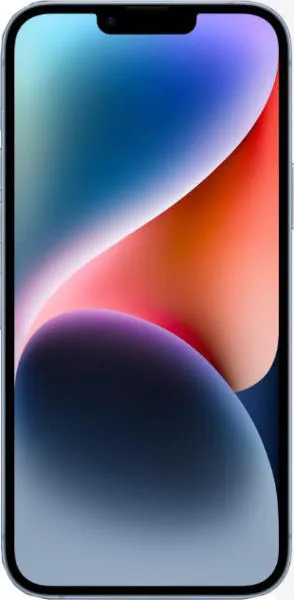

iPhone 14 Plus vs. ZTE nubia Z60 Ultra: A Deep Dive
Let's dissect these two intriguing smartphones, the iPhone 14 Plus and the ZTE nubia Z60 Ultra, and see how they stack up against each other. We'll go beyond the spec sheet and delve into what these numbers really mean for you.
1. Specifications Breakdown
| Feature | Apple iPhone 14 Plus | ZTE nubia Z60 Ultra | Real-World Implications |
|---|---|---|---|
| Design | |||
| Dimensions (mm) | 160.8 x 78.1 x 7.8 | 164 x 76.4 x 8.8 | Z60 Ultra is taller and wider, but slightly thicker. |
| Weight (g) | 203 | 246 | Z60 Ultra is noticeably heavier. Impacts one-handed use and portability. |
| Display | |||
| Size (inches) | 6.7 | 6.8 | Negligible difference in screen real estate. |
| Resolution (px) | 1284 x 2778 | 1116 x 2480 | iPhone has a sharper display due to higher pixel density. |
| Type | Super Retina XDR OLED | AMOLED | Both offer vibrant colors and deep blacks. iPhone boasts higher peak brightness (1200 vs 1500 nits) impacting outdoor visibility |
| Refresh Rate (Hz) | 60 | 120 | Z60 Ultra offers smoother scrolling and animations. |
| Performance | |||
| Chipset | Apple A15 Bionic | Snapdragon 8 Gen 3 | Z60 Ultra likely has a performance edge with a newer, more powerful chip. |
| CPU | Hexa-core | Octa-core | More cores on the Z60 Ultra suggest better multitasking capabilities. |
| RAM (GB) | 6 | 8/12/16/24 | Z60 Ultra offers more RAM, beneficial for heavy multitasking and gaming. |
| Camera | |||
| Main Camera (MP) | 12 | 54 | Z60 Ultra has significantly higher resolution, potentially capturing more detail. |
| Ultrawide (MP) | 12 | 50 | Similar ultrawide capabilities on paper. |
| Telephoto (MP) | N/A | 64 | Z60 Ultra offers optical zoom, absent in the iPhone 14 Plus. |
| Battery Life | |||
| Capacity (mAh) | 4323 | 6000 | Z60 Ultra boasts a much larger battery, promising longer usage. |
2. Key Insights
Performance: The Z60 Ultra, with its Snapdragon 8 Gen 3 and generous RAM options, likely surpasses the iPhone 14 Plus in raw processing power, particularly for demanding tasks and gaming. However, Apple's A15 chip, known for its efficiency, might still offer comparable real-world performance in many scenarios.
Display: While both phones have large, high-quality displays, the Z60 Ultra's 120Hz refresh rate provides a noticeable advantage in smoothness. However, the iPhone 14 Plus's higher pixel density results in sharper visuals.
Camera: The Z60 Ultra boasts a significantly higher resolution main sensor and a dedicated telephoto lens, offering greater versatility and zoom capabilities. The iPhone 14 Plus relies on its computational photography prowess for image quality.
Battery: The Z60 Ultra's massive 6000mAh battery should easily outlast the iPhone 14 Plus. This is a significant advantage for heavy users.
3. User Profiles and Recommendations
iPhone 14 Plus: Ideal for users prioritizing a seamless user experience, a vibrant ecosystem, and excellent video recording capabilities within a familiar interface.
ZTE nubia Z60 Ultra: Best suited for power users, gamers, and photography enthusiasts who demand top-tier performance, a high refresh rate display, versatile camera system, and exceptional battery life.
4. Buying Decision Framework
- What is your budget? The iPhone generally commands a higher price.
- What is your priority? Performance and battery life (Z60 Ultra) or ease of use and ecosystem integration (iPhone 14 Plus)?
- Are you a power user or a casual user? The Z60 Ultra caters to demanding tasks, while the iPhone 14 Plus offers a more balanced experience.
My Choice: As Alex Griffin, I would choose the ZTE nubia Z60 Ultra. While I appreciate Apple's ecosystem, I prioritize raw performance, cutting-edge hardware (especially the camera and battery), and the flexibility of Android. The Z60 Ultra's 120Hz display and Snapdragon 8 Gen 3 are particularly compelling for my workflow, which involves heavy multitasking, content creation, and gaming. The significantly larger battery capacity also aligns with my need for extended usage without frequent charging. The potential trade-offs in software polish and ecosystem integration are acceptable to me considering the significant hardware advantages.
